A solar inverter is a critical part of any solar power setup, converting DC electricity from solar panels into usable AC power for homes and businesses. Learn how it works, types, and what to look for.
If you're exploring solar energy, you've likely heard the term "solar inverter" – but what exactly is a solar inverter, and why is it so essential? Simply put, a solar inverter is the unsung hero of solar power systems, bridging the gap between the electricity your solar panels generate and the energy your home or workplace can actually use.
Solar panels (or photovoltaic PV cells) produce direct current (DC) electricity when sunlight hits their semiconductor layers, typically made of crystalline silicon or gallium arsenide. However, nearly all household appliances and the electrical grid run on alternating current (AC) electricity. Without a solar inverter, the DC power from your panels would be useless for powering your lights, fridge, or other devices. That's where the inverter steps in: it converts variable DC output into stable 120V/240V AC power, making solar energy functional.
How Does a Solar Inverter Work?
The conversion process is clever yet straightforward. When sunlight activates PV cells, electrons move between positive and negative semiconductor layers, creating DC current. This DC power is either stored in a battery (for off-grid or hybrid systems) or sent directly to the inverter. Inside the inverter, a transformer and fast-switching transistors work together: the transistors turn on and off rapidly, forcing the DC power to alternate direction, which "tricks" the transformer into producing AC power. The resulting AC electricity then flows to your switchboard, ready to power your home – or feed excess energy back to the grid.
Common Types of Solar Inverters
Not all solar inverters are the same, and choosing the right type depends on your system size, goals, and setup:
-
String Inverters: The most popular choice for residential solar. Multiple solar panels are connected in "strings" that feed power to a single centralized inverter. They're affordable, easy to maintain, and durable.
-
Microinverters: Compact (about the size of a book) and installed on each individual solar panel. They optimize each panel's output independently while more expensive.
-
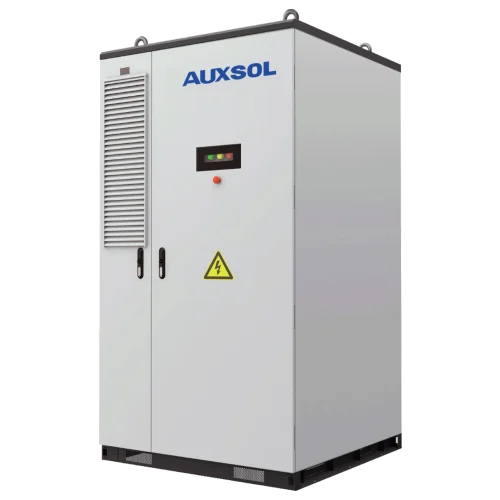
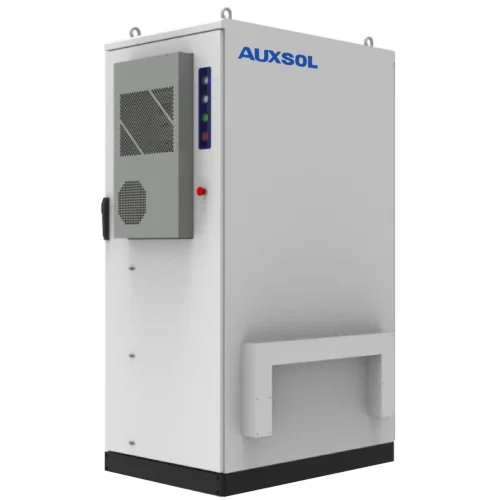
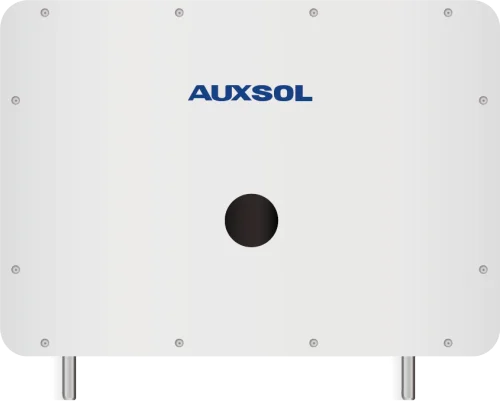
Central Inverters: Large-scale inverters built for C&I or utility-scale solar farms. These cabinet-sized units handle hundreds of kilowatts (or even megawatts) of power.
What to Look for in a Quality Solar Inverter
When shopping for a solar inverter, keep these key factors in mind:
-
CEC Approval: For Australian homes, ensure the inverter is approved by the Clean Energy Regulator (CEC). This means it meets local standards for quality and suitability for Australian climates.
-
Efficiency: If connecting to the grid, aim for an inverter with at least 93% efficiency (transformer-based) or 95% efficiency (transformerless) to maximize energy output.
-
Size Matching: Choose an inverter with a kilowatt rating equal to or greater than your solar panels'maximum output (e.g., a 3kW system needs a 3kW inverter).
-
Weather Resistance: Weatherproof inverters offer more placement flexibility; non-weatherproof models may require a protective cage to extend lifespan.
-
Monitoring Features: Look for inverters with built-in displays or remote monitoring (via mobile apps or computers) to track energy production, system hours, and daily/historical output.
-
Warranty: Inverters typically last 10–20 years. A warranty of 5–12 years is standard, with some brands offering extensions. Longer warranties provide greater peace of mind.
-
Expandability: If you plan to add more panels or a battery later, confirm the inverter can accommodate expansions.
Final Thoughts
A solar inverter is far more than a "converter" – it's the backbone of your solar system, ensuring the energy your panels generate is usable, efficient, and reliable. Whether you're a homeowner choosing a residential setup or exploring C&I solar, understanding what a solar inverter is and how it works helps you make informed decisions that align with your energy goals and budget. Always consult a qualified solar electrician to assess your specific needs and select the best inverter for your system.




 Essential cookies


SL正视图.png!thumb500)
TL-正视图.png!thumb500)
TL-正视图.png!thumb500)