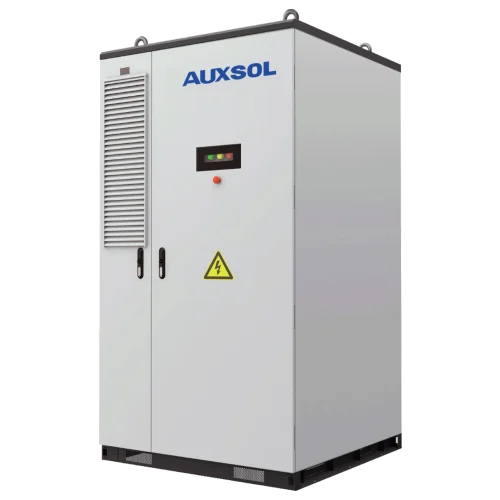
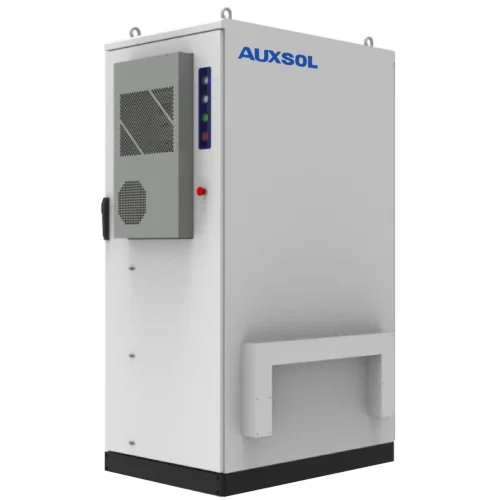
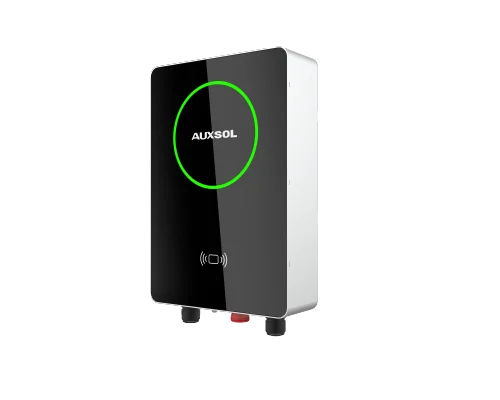
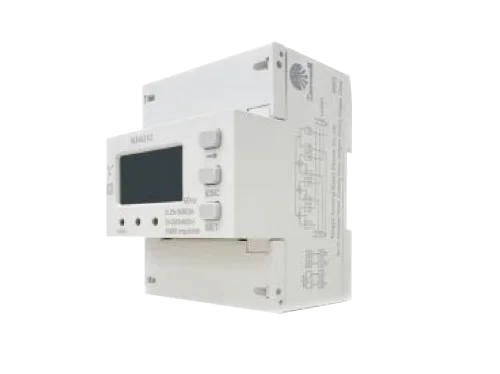
A solar inverter is the central controller of every PV installation. It converts the direct current generated by solar panels into usable alternating current, manages energy flow, ensures operational safety, and enables smart system monitoring. Whether used in residential projects or C&I applications, understanding how a solar inverter works is essential for designing reliable and efficient green energy solutions.
Turning DC Power Into Usable AC Electricity
Solar panels produce direct current when exposed to sunlight. Because buildings and the grid operate on alternating current, a solar inverter performs continuous conversion to match system requirements. This real-time transformation ensures that the energy produced by the PV array can be used immediately or delivered to the grid.
Maximizing Production Through Intelligent Power Tracking
To extract the highest possible output, modern inverters use advanced tracking algorithms that locate the ideal operating point of the PV array. These algorithms react instantly to changes in sunlight, weather, and shading. Even when conditions fluctuate throughout the day, the inverter adjusts voltage and current to capture energy as efficiently as possible.
Stabilizing Voltage and Frequency for Safe Operation
Solar production is naturally variable, but electrical systems require a steady power supply. The inverter regulates voltage and frequency to maintain consistent output for appliances and grid-connected equipment. This ensures smooth system performance, especially in regions with challenging or unstable grid conditions.
Managing System Safety With Built-In Protection
A modern inverter continuously monitors every part of the PV system. Safety functions such as arc detection, insulation monitoring, surge protection, and temperature control help prevent failures and reduce operational risks. These features protect the PV array, electrical components, and the surrounding environment.
Enabling Smart Monitoring and Remote Management
Real-time data is essential for maintaining long-term system stability. Inverters transmit performance information to monitoring platforms, allowing users and technicians to track generation, consumption, storage status, and alarms from any connected device. Remote supervision improves system management and simplifies maintenance.
Coordinating Energy Storage in Hybrid Systems
In hybrid solutions, the inverter not only converts energy but also manages storage. When PV generation exceeds demand, excess power can be directed to a battery system. Stored energy can later support the load or provide backup power when the grid is unavailable. This enhances self-consumption and strengthens energy independence in both residential and C&I installations.
Integrating All Components Into a Unified Energy Flow
A solar inverter connects panels, loads, storage systems, and the grid into a single coordinated ecosystem. By intelligently regulating energy flow between each part of the system, the inverter ensures efficient operation from morning to evening and throughout the system’s lifespan.
Conclusion
A solar inverter is the heart of modern PV energy systems. It converts power, enhances efficiency, protects equipment, manages storage, and provides smart insights for long-term reliability. For distributors, installers, and EPC professionals, understanding how a solar inverter works is fundamental to delivering stable and effective green energy solutions.




 Essential cookies


SL正视图.png!thumb500)
TL-正视图.png!thumb500)
TL-正视图.png!thumb500)