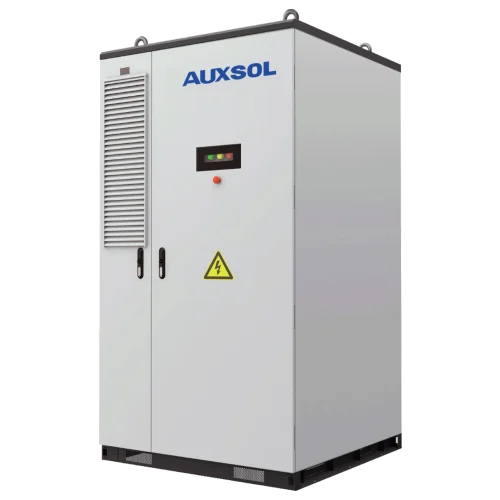
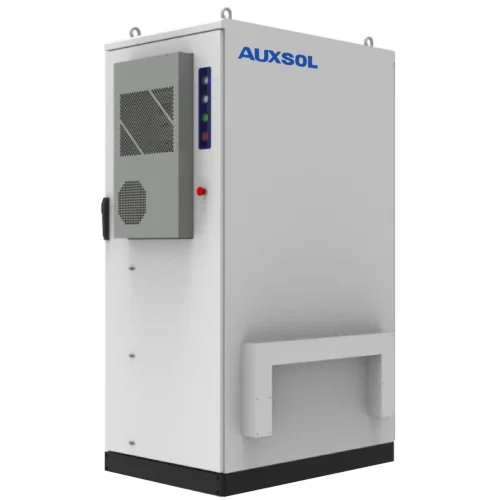
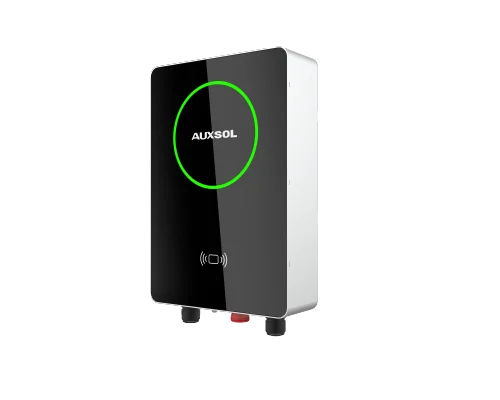
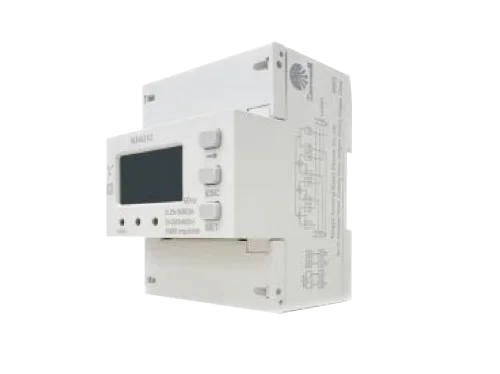
Solar power inverter efficiency is one of the key factors influencing the performance of any PV installation. The inverter determines how much of the energy generated by solar panels can be delivered to the building or grid. Higher efficiency means more usable electricity, better system stability, and improved long-term returns for both residential and C&I applications.
This guide explains how inverter efficiency works, which factors influence it, and how modern technology helps maintain reliable output in real-world conditions.
What Solar Power Inverter Efficiency Means
Solar panels produce direct current. The inverter converts this into alternating current that can be used by electrical systems. During this conversion, a small portion of energy is lost. The efficiency rating represents how much of the input energy the inverter successfully delivers after conversion.
For example, if the PV array provides a certain amount of power and the inverter outputs nearly the same amount, the efficiency is considered high. Modern devices often achieve conversion rates that allow users to maximize the value of every unit of sunlight captured.
Why Efficiency Is Critical in PV Installations
In any green energy solution, even small efficiency differences can produce long-term impacts. A higher-efficiency inverter allows:
- More usable energy throughout the day
- Lower overall losses during conversion
- Improved performance during partial shading or variable sunlight
- Greater stability when the electrical load changes
For distributors and installers, efficiency directly influences customer satisfaction, system performance, and long-term reliability.
How Modern Inverters Maintain High Efficiency
Advances in inverter design allow today’s systems to deliver strong conversion performance even under dynamic conditions. Several core technologies contribute to this:
Effective Power Tracking
Advanced tracking algorithms locate the ideal operating point of the PV array. This allows the system to maintain strong output even when clouds, temperature changes, or shading affect generation.
Optimized Thermal Management
Heat can reduce efficiency. High-quality inverters use intelligent cooling designs that maintain stable temperatures, ensuring consistent performance throughout the day.
Low Start-Up Requirements
Some inverters can begin operating at lower PV voltages, allowing the system to start producing energy earlier in the morning and continue later into the evening.
Real-World Factors That Influence Efficiency
Even the most advanced inverter operates within real-world conditions. Several external factors can affect its performance:
Environmental Temperature
High temperatures can reduce conversion efficiency. Systems designed to operate without power derating in warm environments maintain better performance in demanding climates.
PV Array Configuration
Matching the inverter correctly with panel capacity ensures that the system operates within an optimal input range.
Installation Quality
Cable length, connections, and shading patterns all influence how efficiently the inverter can process incoming power.
Efficiency in Hybrid Energy Storage Systems
In systems paired with an energy storage unit, efficiency becomes even more significant. A hybrid inverter must manage both conversion and energy distribution between the PV array, the building load, and the storage unit.
High-efficiency operation enables:
- Better use of stored energy
- Higher self-consumption rates
- Smoother transitions when the grid becomes unstable
- Reliable backup capability
This makes efficiency a central part of achieving stable and flexible energy management.
Why Long-Term Efficiency Matters for System Owners
A solar inverter operates every day for many years. Even a small difference in efficiency can accumulate into a large gain or loss over time. A system with consistently high conversion performance:
- Delivers stronger daily energy production
- Reduces waste
- Enhances sustainability
- Improves the return on investment for both residential and C&I users
Because of this, efficiency is one of the most important technical indicators for installers, EPC contractors, and investors evaluating a PV or hybrid system.
Conclusion
Solar power inverter efficiency determines how effectively a PV system transforms sunlight into usable energy. From power tracking to thermal design and storage coordination, modern inverters rely on advanced engineering to achieve high conversion performance in both residential and C&I projects. Understanding the factors behind efficiency helps professionals build more reliable and productive green energy solutions.




 Essential cookies


SL正视图.png!thumb500)
TL-正视图.png!thumb500)
TL-正视图.png!thumb500)