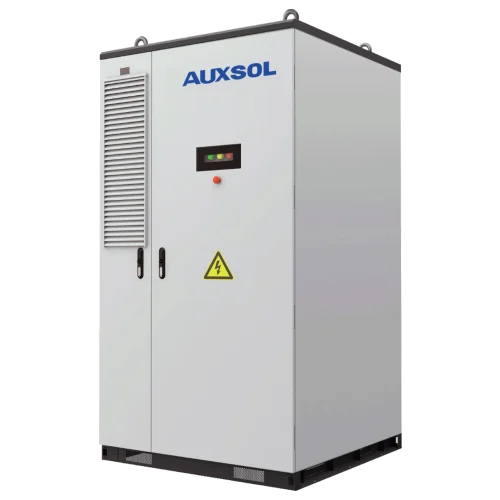
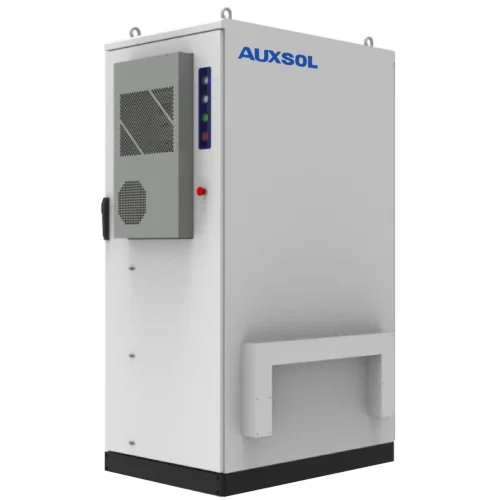
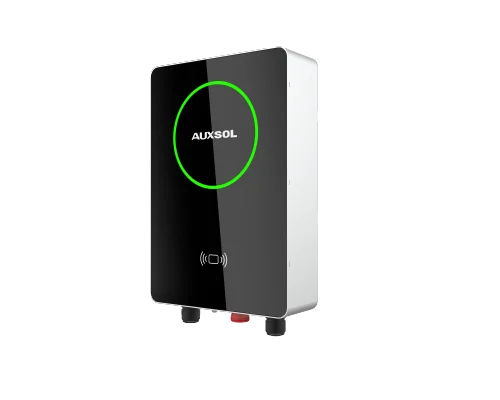
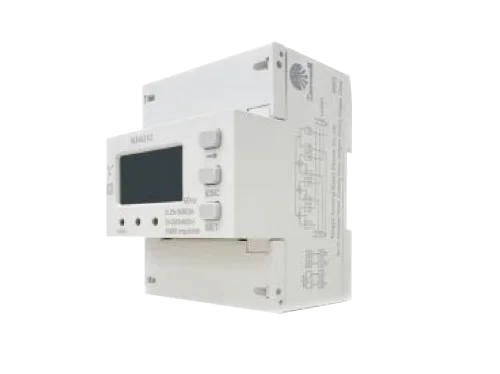
As the backbone of any solar power system, a grid-tie solar inverter converts the direct current (DC) generated by solar panels into usable alternating current (AC) that aligns with grid requirements. Choosing the ideal one directly impacts your system’s efficiency, reliability, and long-term return on investment.This guide breaks down the critical factors to consider—tailored to your search for practical, actionable advice on selecting a grid-tie inverter.
Prioritize Brand Reputation & Industry Credibility
When investing in a grid-tie solar inverter, brand reputation is non-negotiable. A trusted brand isn’t just a name—it’s a guarantee of quality, technical expertise, and market-proven performance. Look for manufacturers with a track record of innovation, years of industry experience, and positive feedback from C&I and residential users alike.
Reputable brands invest heavily in research and development (R&D) to refine their inverters, ensuring they meet the latest industry standards and deliver consistent performance. For example, brands with over a decade of R&D accumulation often integrate cutting-edge technologies to maximize energy conversion and system stability. Additionally, established manufacturers undergo rigorous testing to comply with regional safety and performance certifications.
Avoid unknown brands that offer low prices but lack transparency about their manufacturing processes or quality control. A reliable brand stands behind its products, which leads to the next critical factor: after-sales support.
Evaluate After-Sales Service & Warranty Coverage
A grid-tie inverter is a long-term investment, so robust after-sales service and a comprehensive warranty are essential safeguards. Even the most durable equipment may require maintenance or troubleshooting, and a responsive support team can minimize downtime and protect your investment.
-
Duration: Opt for warranties of 10 years or more, as high-quality inverters are designed to operate reliably for 10–15 years (or longer) with proper care. Look for warranties that cover full replacement, not just repairs—this ensures you won’t be stuck with costly fixes if the inverter fails.
-
Coverage Scope: Ensure the warranty includes parts, labor, and on-site service if needed. Some brands offer free on-site maintenance or extended warranties when installed by certified professionals.
-
Support Accessibility: Choose brands with a dedicated after-sales team trained to handle inverter-specific issues, from software upgrades to hardware repairs. Quick response times and remote troubleshooting capabilities (via phone or app) can save time and frustration.
Match Inverter Power to Your Energy Needs
Power matching between your solar panels and inverter is one of the most critical steps in choosing a grid-tie inverter. An ill-sized inverter will either limit your system’s output or waste energy, so it’s essential to align the inverter’s rated power with your solar array’s maximum output and your energy consumption patterns.
Avoid oversizing or undersizing: An inverter with too little power will “clip” excess energy from your panels (wasting potential generation), while an oversized inverter will operate inefficiently at low sunlight levels, increasing energy loss.
Scrutinize Technical Specifications for Optimal Performance
Technical specifications determine how well your grid-tie inverter converts DC to AC, adapts to changing conditions, and protects your system. Focus on these key metrics:
Conversion Efficiency
Efficiency measures how much of the DC energy from solar panels is converted to usable AC energy—higher efficiency means less energy loss. Look for inverters with a conversion efficiency rating of 97% or above. Top-tier models often achieve efficiencies of 98–99%, which adds up to significant savings over the inverter’s lifespan.
Maximum Power Point Tracking (MPPT)
MPPT technology is a game-changer for grid-tie inverters. It dynamically adjusts the operating point of your solar array to account for changes in sunlight, temperature, and shading—ensuring your system always operates at its maximum power output. Even if part of your array is partially shaded (e.g., by trees or nearby buildings), a high-quality MPPT system minimizes performance drops, making it a must-have for both residential and C&I setups.
Input/Output Voltage & Grid Compatibility
Ensure the inverter’s input voltage range matches your solar panels’ output (check the panel manufacturer’s specifications). For grid compatibility, the inverter must produce AC power with the same frequency and phase as your local grid.
Protection Features
Grid-tie inverters face risks like overvoltage, overcurrent, short circuits, and temperature spikes. Look for built-in protection functions that safeguard the inverter, your solar panels, and your property:
-
Overvoltage/overcurrent protection: Prevents damage from power surges.
-
Short-circuit protection: Shuts down the system if a short circuit is detected.
-
Temperature protection: Reduces output or shuts down to avoid overheating.
-
Grid fault protection: Disconnects from the grid during outages (a safety requirement for grid-tie systems).
Embrace Intelligence & Remote Monitoring Capabilities
Modern grid-tie inverters are increasingly smart, with integrated monitoring features that simplify system management. Remote monitoring allows you to track key data—such as power generation, energy consumption, and inverter status—from your smartphone, tablet, or computer via an app or web portal.
-
Real-Time Insights: Check how much energy your system is producing at any time, helping you optimize self-consumption and track savings.
-
Proactive Alerts: Receive notifications if the inverter malfunctions, overheats, or experiences a drop in performance—allowing you to address issues quickly and avoid costly
downtime.
-
Long-Term Analytics: Access historical data to identify trends, such as seasonal changes in generation or potential inefficiencies in your system.
Factor in Installation & Long-Term Maintenance
Even the best grid-tie inverter will underperform if installed incorrectly. Professional installation is non-negotiable, as grid-tie systems involve complex wiring, grid connection, and compliance with local electrical codes.
Installation Tips:
-
Hire Certified Installers: Choose installers with relevant qualifications and experience with grid-tie systems. Certified professionals ensure the inverter is wired correctly, mounted securely, and compatible with your grid connection.
-
Choose the Right Location: Install the inverter in a well-ventilated, cool area (away from direct sunlight or heat sources) to prevent overheating. Ensure it’s easily accessible for maintenance.
-
Comply with Local Policies: Check local grid access rules and permits before installation. Some regions require specific certifications or grid connection agreements to operate a grid-tie system.
Maintenance Best Practices:
-
Regular Inspections: Schedule annual checkups to clean dust/debris from the inverter, inspect wiring for loose connections, and verify performance metrics.
-
Troubleshoot Common Issues: Familiarize yourself with common problems (e.g., overheating, error codes) and their solutions. Most smart inverters provide error notifications to guide troubleshooting.
-
Follow Manufacturer Guidelines: Adhere to the manufacturer’s maintenance recommendations to preserve the inverter’s warranty and extend its lifespan.
Final Thoughts: Invest in Quality for Long-Term Value
Choosing a grid-tie solar inverter isn’t just about picking a model—it’s about investing in a reliable, efficient system that meets your energy needs for years to come. By prioritizing brand reputation, warranty coverage, power matching, technical specifications, smart features, and professional installation, you’ll ensure your solar system delivers maximum savings, minimal downtime, and a positive impact on the environment.




 Essential cookies


SL正视图.png!thumb500)
TL-正视图.png!thumb500)
TL-正视图.png!thumb500)