If you’re investing in a solar system—grasping solar power inverter cost is non-negotiable. The inverter is the backbone of your solar setup, converting DC power from panels to usable AC electricity. Yet, prices fluctuate drastically, and picking the wrong type, size, or brand can lead to wasted money or underperforming systems. This guide dives deep into real-world costs, key influencers, installation considerations, and expert tips to help you make a cost-effective decision.
Why Solar Power Inverter Cost Varies (4 Core Factors)
Solar inverter pricing isn’t arbitrary. Four critical elements determine how much you’ll pay, and understanding them helps you avoid overspending or settling for a subpar product.
-
Inverter Type: String, Microinverter, or Central?
The technology behind your inverter is the single biggest cost driver. Each type serves distinct use cases, with price tags to match:
-
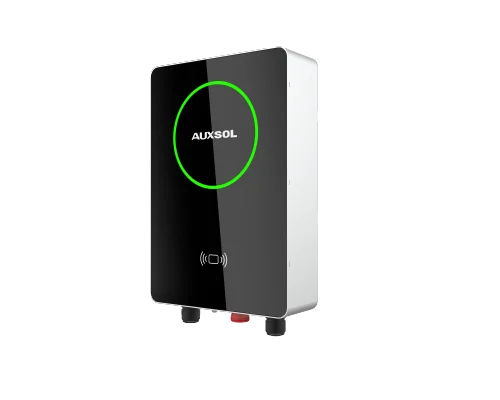
String Inverters: The most popular and budget-friendly choice for residential and small C&I systems. They connect multiple solar panels in a “string” to a single central unit. Prices range from $500 for entry-level models to $5,000 for high-capacity, premium options. Mid-range picks offer reliable performance for roofs with minimal shading. Their simplicity keeps installation costs low.
-
Microinverters: Prices start at $195 per unit and go up to $230. For a full system, expect to pay $150–$300 per panel—adding to upfront costs but maximizing energy production.
-
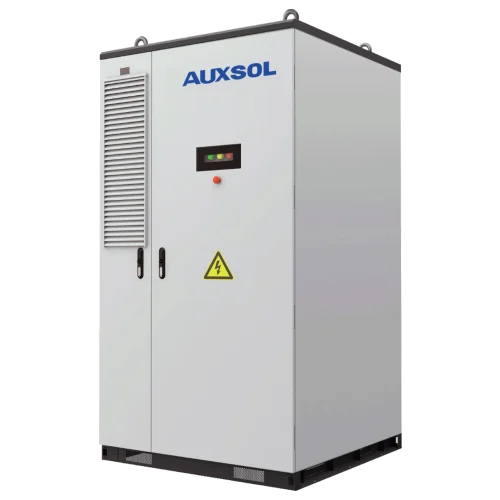
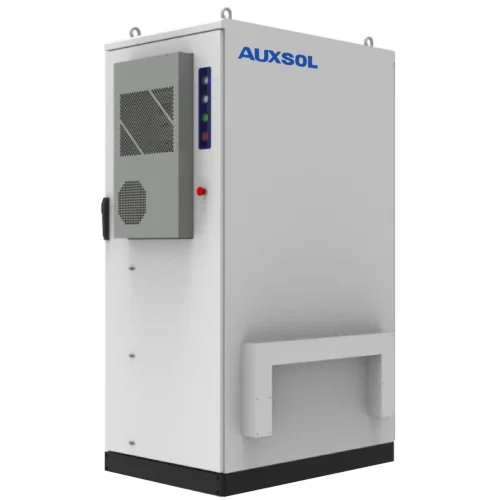
Central Inverters: Built for large-scale C&I or utility-grade solar projects, central inverters handle the output of dozens of panel strings. Prices start around $3,000 for small commercial and industrial setups and can climb into six figures for utility-scale installations.
-
Size (Power Output): Matching to Your Solar Array
Inverter size (measured in kilowatts, kW) must align with your solar system’s capacity. An undersized inverter will limit energy production, while an oversized one means paying for unused capacity. Here’s how size correlates with cost:
-
Small Systems (3-5kW): Perfect for apartments, tiny homes, or small offices. Inverter costs range from $1,000–$2,000.
-
Medium Systems (6-10kW): The sweet spot for most residential homes and small businesses. Prices span $1,800–$3,500.
-
Large Systems (10+kW): For commercial and industrial facilities, or utility projects. Inverter costs start at $3,000 and rise significantly.
-
Brand Reputation & Premium Features
Like any tech product, brand reputation and added features drive up costs. Top-tier brands invest in research, durability, and customer support—justifying a $1,000–$3,000 premium over budget brands. Here’s what you get for the extra cost:
-
Longer Warranties: Premium inverters offer 10–25-year warranties, while budget options typically cover 5–10 years. This reduces long-term maintenance costs, a key consideration for B2B clients.
-
Advanced Monitoring: Real-time energy production tracking, remote diagnostics, and smart home integration help optimize performance.
-
Shade Tolerance: Premium string and inverters use technology to minimize shading impacts, boosting efficiency in less-than-ideal conditions.
-
Customer Support: 24/7 technical assistance, which is critical for C&I projects where downtime equals lost revenue.
Budget brands offer solid performance for cost-conscious buyers, but they may lack advanced features or long warranties.
-
Installation & Additional Costs
Don’t overlook hidden costs that add to your total investment. Inverter prices rarely include installation, which typically adds $500–$2,000 depending on system complexity. Other expenses to consider:
-
Wiring & Mounting: Custom wiring or specialized mounts for inverters can increase labor costs.
-
Permits & Inspections: Local regulations may require permits or post-installation inspections, adding $100–$500.
-
Battery Compatibility: If you’re pairing your inverter with a solar battery (common for hybrid systems), you may need additional hardware or upgrades, costing $500–$1,500.
How to Save Money on Solar Power Inverter Costs
Getting the ideal value doesn’t mean choosing the cheapest option. Use these strategies to balance cost and performance:
-
Assess Your Site Conditions First
-
If your roof has no shading and a simple layout, a string inverter is the most cost-effective choice.
-
For large C&I projects, central inverters offer economies of scale that make them more affordable per kW.
-
Avoid Over-Sizing or Under-Sizing
Work with a solar professional to calculate your exact energy needs. Use past utility bills and future usage plans (e.g., adding an electric vehicle) to determine the right inverter size. Oversizing can add $500–$1,000 to your cost, while undersizing limits your solar savings.
-
Compare All-Inclusive Quotes
Inverter prices are rarely listed separately in quotes. Ask suppliers for all-inclusive pricing that includes installation, wiring, permits, and warranties. This helps you avoid hidden fees and compare apples to apples.
-
Consider Refurbished or Demo Models
For C&I projects on a tight budget, refurbished or demo inverters from reputable brands can save 20–30% off retail prices. Ensure they come with a warranty (at least 5 years) to mitigate risk.
-
Leverage Rebates & Incentives
Many governments and utility companies offer rebates for energy-efficient inverters. Check local programs—some cover up to 30% of inverter costs, reducing your upfront investment.
Key Questions to Ask Before Buying
To ensure you’re getting the best value, ask these questions to suppliers:
-
What is the inverter’s efficiency rating? (Look for 95%+ for maximum energy savings.)
-
How long is the warranty, and what does it cover? (Parts, labor, or both?)
-
Is the inverter compatible with solar batteries or future system expansions?
-
What monitoring tools are included, and is there a monthly fee?
-
What is the lead time for delivery and installation?
Final Thoughts
Solar power inverter cost is a significant part of your solar investment, but with the right knowledge, you can avoid overspending and choose a product that delivers maximum value.




 Essential cookies


SL正视图.png!thumb500)
TL-正视图.png!thumb500)
TL-正视图.png!thumb500)