If you’re navigating the solar inverter landscape for your C&I or utility-scale project, the central inverter vs string inverter debate is likely top of mind. Choosing the wrong type can lead to wasted energy, ballooning maintenance costs, or missed scalability—so it’s critical to align your choice with your project’s unique needs. In this guide, we break down the key differences, tradeoffs, and use cases to help you maximize ROI and energy output.
What Are Central Inverters & String Inverters?
First, let’s clarify the basics: Both inverters perform the essential task of converting direct current (DC) from solar panels into usable alternating current (AC) for the grid or on-site use. The difference lies in design, scale, and how they manage power flow.
Central Inverters
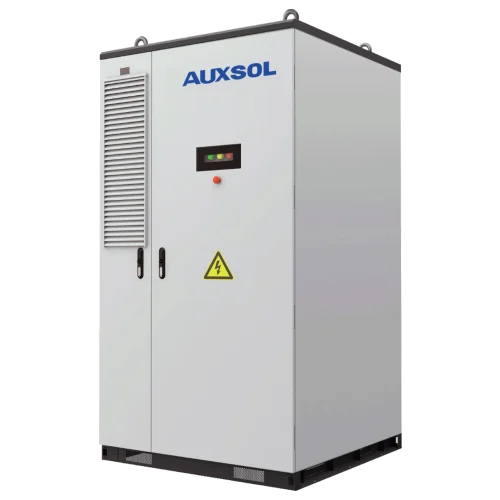
Central inverters are large, centralized units designed to handle high power volumes in utility-scale solar farms or large C&I installations. They aggregate DC power from dozens (or hundreds) of solar panel strings via combiner boxes, then convert it to AC in a single, centralized device. Typically ranging from 10 kW to 500 kW (or larger for utility projects), they thrive in uniform, large-scale environments where consistency is key.
String Inverters
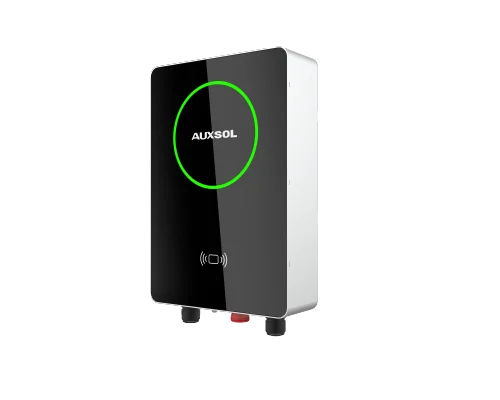
String inverters are modular, distributed devices installed at the end of individual solar panel strings. Each unit handles DC-to-AC conversion for a small set of panels (usually 1-3 strings) and features multiple maximum power point trackers (MPPTs) to optimize performance at the string level. Ranging from 1 kW to 350 kW, they’re flexible, scalable, and ideal for residential, small commercial and industrial, or complex installations with shading or uneven terrain.
Central Inverter vs String Inverter: Key Differences That Matter
To make an informed decision, let’s dive into the critical factors that impact cost, efficiency, maintenance, and reliability.
-
Cost: Upfront vs. Per-Watt Value
-
Central Inverters: Lower upfront cost per watt, making them cost-effective for large-scale projects (10 MW+). They require fewer units, reducing hardware and installation expenses—though combiner boxes and longer DC cables add some cost. For utility-scale farms, their economies of scale shine.
-
String Inverters: Higher upfront cost per unit (sometimes twice as much as central inverters), but more affordable for small-to-medium systems (under 50 kW). Their modularity means you can scale incrementally, avoiding over-investment in unused capacity. Newer models also eliminate the need for AC combiners, cutting installation costs.
-
Efficiency: Uniform vs. Optimized Performance
-
Central Inverters: Conversion efficiency ranges from 95-98%. With a single MPPT handling thousands of panels, shading, dirt, or faulty panels can drag down the entire system’s output. Best for uniform arrays with minimal shading.
-
String Inverters: Higher system-level efficiency (up to 99.03% with advanced models) thanks to multiple MPPTs. Each string operates independently, so shading or panel issues on one string won’t affect others—boosting energy harvest by 4-8% compared to central inverters. Perfect for complex layouts or sites with variable sunlight.
-
Reliability & Downtime Risk
-
Central Inverters: Single point of failure. If the unit malfunctions, the entire system shuts down, leading to significant downtime losses. However, they have a proven track record (many operate for over a decade) and are perceived as more reliable for long-term utility projects.
-
String Inverters: Distributed reliability. A single unit failure only impacts its connected strings (usually 5% or less of total output), minimizing downtime. Modern models include fast shutdown (≤25ms) and IP66-rated protection for harsh environments, enhancing durability.
-
Installation & Maintenance
-
Central Inverters: Require dedicated housing, more land space, and certified DC electricians for installation—adding to upfront costs. Maintenance is straightforward but less frequent: fewer parts to replace, but cooling systems and large components may need professional servicing.
-
String Inverters: No housing required (pole or wall-mounted) and easier to install. Maintenance is simpler and less costly: modular design means faulty units can be swapped without system shutdowns. Real-time monitoring (via OTA capabilities) also makes troubleshooting faster.
-
Scalability & Flexibility
-
Central Inverters: Limited flexibility. They’re designed for fixed, large-scale systems—scaling up requires adding entire units, which is inefficient for small expansions.
-
String Inverters: Highly scalable. Add or remove units as your energy needs grow (e.g., expanding a commercial and industrial rooftop or adding panels to a residential system). Their distributed design also adapts to uneven terrain or multiple roof orientations.
Which Inverter Is Right for You?
The answer depends on your project’s size, environment, and priorities:
-
Choose Central Inverters If: You’re building a utility-scale solar farm (10 MW+) with uniform panels, minimal shading, and a focus on low per-watt costs. They’re also ideal if you prefer a simplified design with fewer components.
-
Choose String Inverters If: You have a small-to-medium system (under 50 kW), complex layout, shading issues, or need scalability. They’re perfect for residential homes, small businesses, or C&I projects where maximizing energy harvest is critical.
Final Thoughts: Invest in the Right Inverter for Long-Term Success
Whether you opt for a central inverter’s scale or a string inverter’s flexibility, the goal is to align your choice with your project’s unique needs. Central inverters dominate utility-scale projects for their cost efficiency, while string inverters lead in small-to-medium installations for their optimized performance and scalability.




 Essential cookies


SL正视图.png!thumb500)
TL-正视图.png!thumb500)
TL-正视图.png!thumb500)