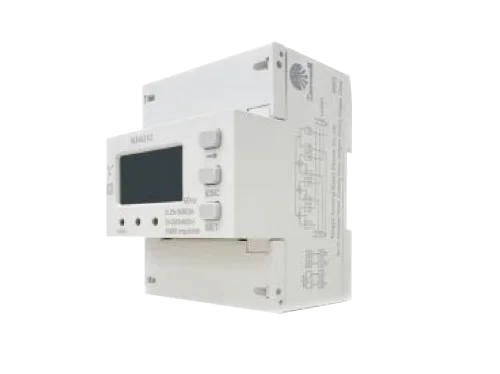
If you’re exploring solar energy for your home, business, or large-scale project, understanding solar PV inverters is a key step in building a system that aligns with your energy needs, budget, and installation conditions. As the core component of any PV system, inverters convert the direct current (DC) electricity generated by solar panels into usable alternating current (AC) electricity for appliances, the grid, or off-grid use.
Not all solar PV inverters are designed the same—each type is engineered to excel in specific scenarios, from small residential rooftops to utility-scale solar farms. In this guide, we’ll break down the three most widely used solar PV inverter types: String Inverters, Microinverters, and Central Inverters, exploring how they work, their core characteristics, and the use cases where they perform best.
What Defines a Solar PV Inverter’s Role?
Before diving into the different types, it’s important to note a universal function of all modern solar PV inverters: nearly all integrate Maximum Power Point Tracking (MPPT) technology. MPPT continuously adjusts the electrical load on solar panels to optimize power output, adapting to changing conditions like sunlight intensity, temperature, and minor shading. This technology helps solar systems capture more usable energy throughout the day, a key feature for maximizing the value of your solar investment.
All inverters also share the critical task of ensuring grid compatibility (for grid-tied systems) or stable power output (for off-grid setups), with built-in safety features to protect against surges, overheating, and grid faults. The differences between inverter types lie in their design, scalability, power handling, and how they interface with solar panels—factors that directly impact their suitability for different installations.
String Inverters: The Reliable, Cost-Effective Standard
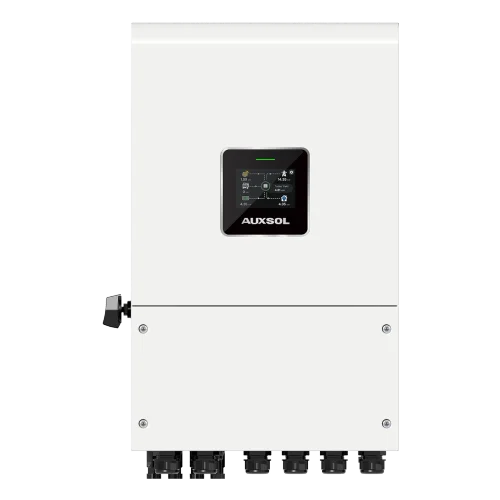
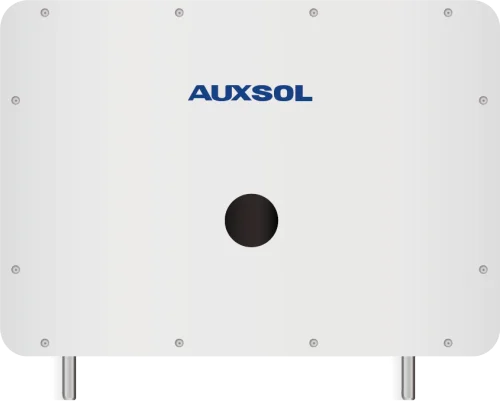
String Inverters are the most established and widely used type of solar PV inverter, a staple in residential and small-to-medium commercial and industrial solar systems for decades. As the name suggests, this inverter connects multiple solar panels in a series (or “string”), with all panels in the string feeding DC electricity to a single, centralized inverter unit—typically installed near the main electrical panel for easy access.
Core Characteristics
-
Simplified design & maintenance: With a single central unit, installation is straightforward, and troubleshooting or routine checks are streamlined for solar professionals. There are fewer components to manage, which reduces the system's overall complexity.
-
Cost-efficient upfront investment: Since one inverter serves an entire string of panels, the hardware and installation costs are generally lower compared to other inverter types, making it a popular choice for budget-conscious projects.
-
Solid conversion efficiency: Modern string inverters offer high conversion efficiency (typically 95–98%), meaning they convert a large portion of the DC energy from panels into usable AC energy under optimal conditions.
Ideal Use Cases
String Inverters shine in installations with uniform sunlight exposure and simple roof design. They are the perfect fit for:
-
Residential rooftops that face a single direction (e.g., south-facing) with no significant shading from trees, chimneys, or neighboring buildings.
-
Small-to-medium C&I systems with unobstructed solar arrays and consistent panel orientation.
-
Projects where upfront cost savings are a priority, and the installation site has predictable sunlight patterns.
Microinverters: Modular Power for Individual Panel Control
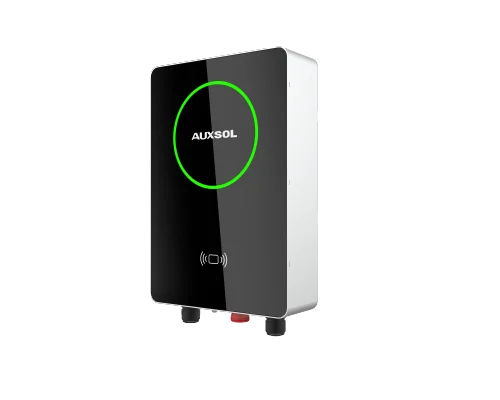
Microinverters are compact, low-power inverters installed directly on the back of each solar panel (or a small set of 2–4 panels).
Core Characteristics
-
Panel-level operation: Each microinverter manages the power output of its connected panel alone.
-
Moderate upfront investment: The need for one inverter per panel means higher initial hardware and labor costs compared to string inverters, with installation requiring more hands-on work to configure each unit.
Ideal Use Cases
Microinverters are designed for installations where panel performance conditions vary, making them a great choice for:
-
Residential rooftops with complex layouts, multiple pitch angles, or panels facing different directions (east, west, south).
-
Urban installations with partial, intermittent shading from trees, buildings, or other obstructions.
Central Inverters: High-Power Performance for Large-Scale Solar
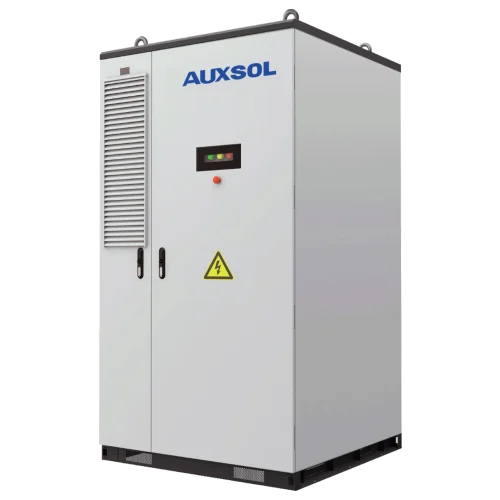
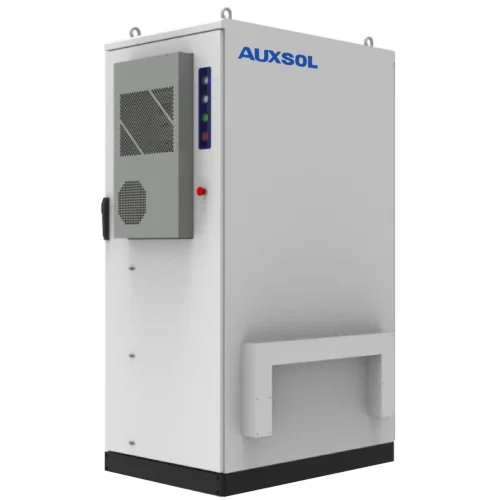
Central Inverters are heavy-duty, high-capacity inverters engineered for utility-scale solar farms, large plants, and C&I solar projects with megawatts of power output. These inverters consolidate DC electricity from hundreds or thousands of solar panels (organized into multiple strings) into a single, high-power unit that converts the energy to AC for the grid or large loads.
Core Characteristics
-
High-power handling: Central inverters offer power ratings from hundreds of kilowatts to several megawatts, far exceeding string and microinverters. They are built to handle the massive DC energy output of large solar arrays.
-
Economies of scale: For very large installations, central inverters deliver a lower cost per watt compared to string or microinverters. Fewer units are needed to power the entire system, reducing overall hardware and maintenance costs for large-scale projects.
-
Controlled environment operation: Most central inverters are installed in dedicated machine rooms or weatherproof containers, which protect them from extreme weather and ensure optimal cooling—important for maintaining performance in high-power operations.
-
System-level optimization: Like string inverters, central inverters operate at the system level, so they perform best when the entire solar array has uniform sunlight exposure and panel performance.
Ideal Use Cases
Central Inverters are the go-to choice for large-scale solar projects where power output and cost efficiency at scale are priorities. They are ideal for:
-
Utility-scale solar farms with thousands of uniformly aligned solar panels and unobstructed sunlight.
-
Large facilities with extensive, open land for solar arrays and high energy demands.
-
C&I solar projects with megawatt-scale power needs, such as shopping centers, manufacturing plants, or solar parks.
How to Choose the Right Solar PV Inverter Type?
The ideal solar PV inverter for your project depends on three key factors: installation size and site conditions, budget and long-term goals, and scalability needs. Here’s a quick framework to guide your decision:
-
For small residential systems with simple, unshaded rooftops: String Inverters offer the best balance of cost and performance, with straightforward maintenance and reliable energy conversion.
-
For small-to-medium systems with complex roofs or partial shading: Microinverters provide the modularity and panel-level control needed to adapt to variable conditions, with the added benefit of granular monitoring.
-
For large-scale solar farms and C&I projects: Central Inverters deliver the high-power handling and economies of scale required to make large solar installations cost-effective and efficient.
It’s also important to consider the lifespan and warranty of your inverter: most string and central inverters have a typical lifespan of 10–15 years. Choosing a reputable brand with a strong warranty and local technical support will also help protect your investment over time.
Final Thoughts
Solar PV inverters are the “brain” of any solar energy system, and selecting the right type is important to ensuring your system operates efficiently, reliably, and in line with your unique needs. By understanding the core characteristics and ideal use cases of each inverter type, you can make a choice that maximizes the value of your solar investment.




 Essential cookies


SL正视图.png!thumb500)
TL-正视图.png!thumb500)
TL-正视图.png!thumb500)