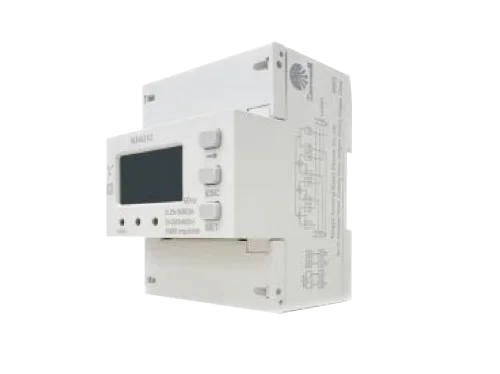
When you’re stepping into the world of solar energy, one of the most important questions you’ll ask is: What’s the real cost of a solar PV inverter, and how do I make a cost-effective choice? As the core of any solar power system, the inverter converts DC electricity from solar panels into usable AC power for your home or business. Its price is influenced by a range of factors, from type and capacity to technology and brand, and understanding these details is key to investing in a system that aligns with your budget and long-term energy goals. Below, we break down everything you need to know about solar PV inverter pricing, market trends, and how to choose the right inverter without overspending.
What Impacts the Price of a Solar PV Inverter?
Solar PV inverter prices are not one-size-fits-all. Several core factors shape the upfront cost, and considering them together will help you avoid unexpected expenses and ensure your inverter matches your solar system’s needs.
-
Inverter Type: Different Designs for Different Needs, Different Price Points
The type of inverter you choose is the biggest driver of upfront cost, as each design is engineered for specific solar system setups, from small residential rooftops to large-scale C&I and utility projects. Here’s a detailed breakdown of the three core inverter types and their typical price ranges (2025 market data, USD):
-
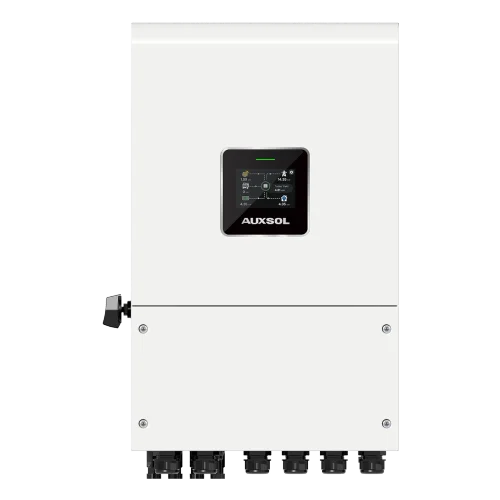
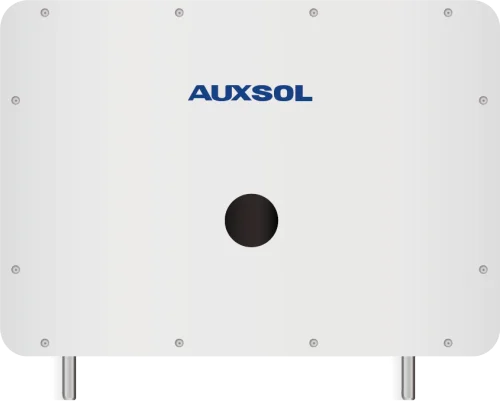
String Inverters: The most widely used and cost-effective option for standard residential and small-to-medium C&I systems with unobstructed sunlight exposure. Prices range from $500 to over $2,000, varying based on power capacity, brand quality, and integrated technological features. Designed to connect multiple solar panels in a single “string” (or multiple strings), they feature a simple structure, easy installation, and low daily maintenance costs, making them a mainstream choice for most household solar setups.
-
Microinverters: A panel-specific optimization solution, installed directly on each solar panel to convert DC to AC power at the source. A single microinverter typically costs around $300.
-
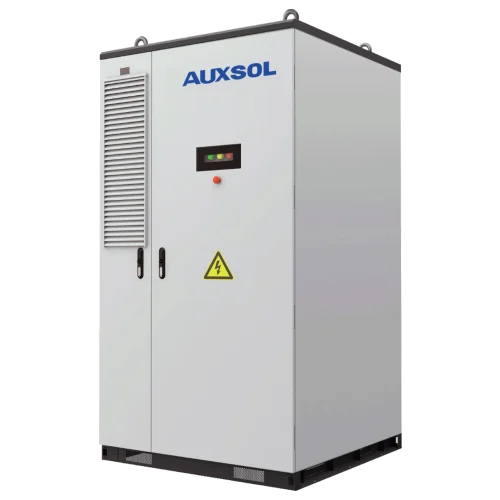
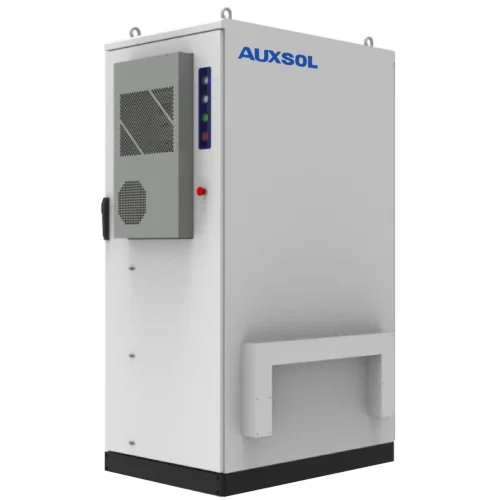
Central Inverters: The core power conversion equipment for large-scale solar power plants, commercial and industrial parks, and utility-level solar projects. While specific pricing varies greatly with power rating (ranging from tens of kilowatts to megawatts), central inverters have a clear cost advantage in cost per watt for large-capacity installations, thanks to their high power density and centralized management design. For medium and large C&I systems (50kW+), the upfront investment per unit of power for central inverters is lower than that of string inverters, making them the a preferred option for large-scale solar deployments pursuing economies of scale.
-
Capacity and System Size
Larger solar systems require higher-capacity inverters, which naturally come with a higher total price tag, while smaller capacity models are more budget-friendly for residential use. The industry standard for pricing reference is cost per watt (W): in 2025, the global average cost of a solar PV inverter is approximately $0.28 per watt, with a range of $0.10–$0.50 per watt depending on efficiency, brand and type. For example:
-
A 6 kW residential system (the most common setup) typically has an inverter cost of around $1,680 (calculated at the $0.28/W average).
-
A 10 kW small C&I system’s inverter costs about $2,800, while the inverter for a megawatt-level central solar project will see a significant drop in cost per watt due to bulk procurement and large-capacity design.
As a general rule, multiplying your system’s total wattage by the average $0.28/W gives you a practical baseline to check if an installer’s quote is fair and reasonable.
-
Technology and Efficiency
Modern inverters integrated with advanced core technologies—such as maximum power point tracking (MPPT), high-frequency transformerless designs, or real-time remote monitoring capabilities—tend to have a higher upfront cost, but they deliver more stable and efficient performance. Inverter efficiency (the percentage of DC power converted to usable AC power) ranges from 93% to over 98% for premium models. Higher efficiency means a larger proportion of the solar energy generated by panels can be utilized for daily power needs, which can accumulate to notable energy utilization improvements over the inverter’s service life.
-
Brand and Quality
Established brands with a proven track record of reliability, continuous R&D investment and comprehensive after-sales support often price their inverters slightly higher, and the extra investment is well justified. These brands focus on durable component selection and rigorous product testing, which reduces the risk of unexpected breakdowns and helps extend the inverter’s actual service life. In 2025, leading inverter manufacturers in the global market most allocate a significant portion of their revenue to technological innovation, and their products are usually equipped with more comprehensive warranty terms and professional after-sales service networks.
Average Solar PV Inverter Prices: What to Expect in 2026
For a medium-sized residential installation (5–7 kW) using string or microinverters, the average inverter cost falls between $1,400 and $1,960—accounting for about 6–9% of the total solar system installation cost (which includes panels, supporting hardware, labor and wiring). For small-to-medium C&I systems (10–50kW) using string inverters, the inverter cost increases proportionally with capacity, while the cost per watt often decreases slightly due to bulk pricing benefits.
For large-scale C&I and utility-level projects (50kW+) using central inverters, the cost per watt becomes the key pricing indicator, and the average cost per watt is significantly lower than that of small and medium-capacity inverters, which is the core reason for central inverters being the first choice for large solar deployments.
Beyond Upfront Price: The Long-Term Cost of Your Solar PV Inverter
The upfront price of an inverter is only part of the overall investment—long-term value is what truly matters for a solar system that is expected to operate for 15–20 years (the typical lifespan of a solar inverter, compared to 25–30 years for solar panels). Here are the key non-price factors that impact your total cost of ownership and long-term return on investment:
-
Warranty Coverage
A robust warranty is your best protection against unexpected repair or replacement costs during the inverter’s service life. Most solar inverters come with a standard 5–10 year parts and labor warranty, while premium models offer extended warranty options (20–30 years) for an additional fee. Investing in an extended warranty can save you a significant amount of money in the long run, as inverter replacement is one of the most common maintenance costs for solar power systems.
-
Efficiency and Energy Utilization
While a lower-efficiency inverter may have a more attractive upfront price, it converts a smaller proportion of solar energy into usable AC power—meaning the potential energy generated by your solar panels is not fully utilized. A high-efficiency inverter (97–98% conversion rate) may cost 10–15% more upfront, but it maximizes the actual power output of your solar panel system, which can offset the initial additional investment over time through more efficient energy utilization.
-
Durability and Maintenance
Inverters are the most operationally vulnerable component of a solar power system, with potential damage often caused by incorrect installation or harsh environmental factors (such as excessive dust, high humidity, extreme temperatures and voltage fluctuations). Choosing an inverter built with durable components and designed to adapt to your local climate conditions can effectively reduce daily maintenance costs and extend its actual service life. Professional installation by a certified solar technician also minimizes the risk of wiring errors or inverter mis-sizing, which are common causes of early inverter failure.
-
Compatibility with Future System Upgrades
If you plan to expand your solar panel system or add energy storage accessories in the future, choosing an inverter with good expandability and compatibility can avoid the cost of replacing the entire inverter. For example, some high-end string inverters support parallel connection for capacity expansion, which is a cost-effective choice for residential users who may increase their solar panel count later. For commercial and industrial users, central inverters with modular design can also be flexibly expanded according to project needs, reducing the cost of subsequent system upgrades.
How to Choose a Solar PV Inverter: Balancing Price and Value
With a variety of inverter types and models on the market, it’s easy to focus solely on upfront price—but the smartest choice is an inverter that balances your budget with your actual energy needs, installation environment and long-term development goals. Here’s a step-by-step guide to making the right decision for your solar system:
-
Assess Your Solar System’s Core Needs
-
Installation Environment:For open, unobstructed large-scale installation sites (such as rooftops or solar parks), central inverters (for large capacity) or string inverters (for small and medium capacity) are more cost-effective.
-
Energy Usage and System Scale: Calculate your average monthly electricity usage to determine the appropriate inverter capacity for residential use—an oversized inverter will lead to unnecessary cost investment, while an undersized one cannot meet daily power needs. For commercial and industrial users, determine the choice between string inverters and central inverters based on the total installed capacity of the solar system: central inverters are more advantageous for large-capacity projects (50kW+).
-
Future Upgrade Plans: If you plan to expand the solar panel system or add energy storage equipment later, choose an inverter with expandable capacity and good compatibility to avoid the cost of replacing the inverter entirely.
-
Get Multiple Quotes and Compare Fairly
Don’t settle for the first quote you receive from a solar installer—get 2–3 detailed quotes from reputable and certified solar companies, and make sure each quote breaks down the cost of the inverter, solar panels, labor, supporting hardware and after-sales service separately. This allows you to compare inverter prices directly and ensure you’re not overpaying for additional accessories or services you don’t need.
-
Prioritize Quality and Warranty Over the Lowest Upfront Price
An inverter with an extremely low upfront price may save you money in the short term, but it may face frequent malfunctions, short service life or lack of after-sales support, leading to higher repair and replacement costs in just a few years. Look for inverters with a proven track record of reliable operation, comprehensive warranty terms and positive customer reviews—these are important signs of a product that can stand the test of time and stable operation.
-
Consider Professional Installation by Certified Technicians
While DIY solar installation can save on labor costs, incorrect installation is a leading cause of early inverter failure and even potential safety hazards. Certified solar installers have professional expertise to size your inverter correctly, wire it safely and place it in an environment that minimizes damage (such as a well-ventilated garage, attic or dedicated equipment room, away from excessive dust and high humidity). This small upfront investment in professional installation can effectively protect your inverter investment and ensure your entire solar system operates at peak efficiency for a long time.
Final Thoughts: Price Is a Factor, Not the Only Factor
Purchasing a solar PV inverter is a key investment in your clean energy future, and the cheapest option is rarely the best one in the long run. The right inverter is one that perfectly matches your solar system’s design, actual energy needs and budget—while delivering the efficiency, durability and warranty coverage that keep your system running smoothly for decades.
Whether you’re a first-time solar energy buyer building a residential system or a C&I user planning a large-scale solar deployment, remember: a solar PV inverter is the “heart” of your solar power system. Invest wisely, and it will power your home, business or project with clean, renewable energy for decades—all while keeping your energy costs and maintenance expenses in a reasonable range.




 Essential cookies


SL正视图.png!thumb500)
TL-正视图.png!thumb500)
TL-正视图.png!thumb500)