Power outages, rising electricity costs, and the shift toward renewable energy have made inverters an essential part of modern life. Whether you are a homeowner looking for backup during blackouts or a business owner integrating solar power, choosing the ideal inverter is important.
With so many technical terms—like pure sine wave, MPPT, and efficiency ratings—the process can be overwhelming. As a leading inverter manufacturer, we’ll walk you through a step-by-step, professional guide to selecting the ideal inverter without overspending or compromising on safety.
-
Understand the Three Main Types of Inverters
Before diving into specifications, you must decide which inverter suits your solar array or power system. The one you choose here dictates how your panels perform under shade and how much maintenance you can expect.
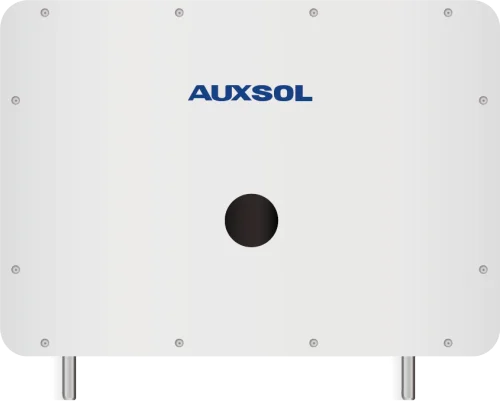
String Inverters
Ideal for: Standard residential homes with unshaded, single-orientation roofs; small to medium commercial and industrial projects.
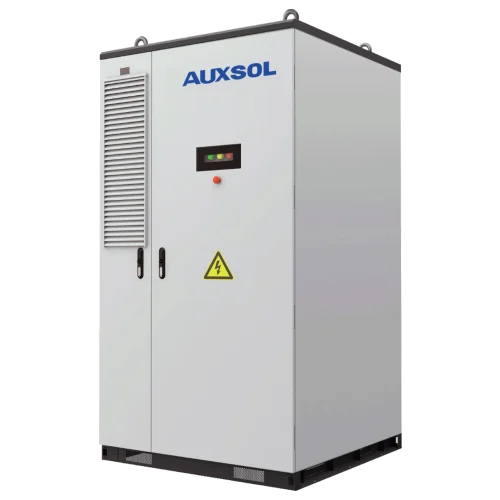
Central Inverters
Ideal for: Large-scale utility projects, solar farms, and massive commercial and industrial rooftops (megawatt range).
-
How it works: Thousands of solar panels are connected to combiner boxes, funneling massive amounts of DC power into a single, large-scale central inverter unit, often housed in a dedicated shelter or container.
-
Pros:
-
Ultra-High Power Capacity: Designed for commercial and industrial scale power generation, with units reaching megawatts each.
-
Lowest Cost per Watt: For very large installations, having one giant inverter is more economical than hundreds of small ones.
-
Grid Support: Typically equipped with advanced grid management features like reactive power control and voltage regulation.
Microinverters
Ideal for: Complex roofs with multiple orientations, panels with partial shading, or homeowners wanting panel-level monitoring.
-
Sizing Your Inverter:
Buying an inverter that is too small will cause constant tripping; buying one too large wastes money and can lead to inefficiency at low loads.
Step A: Calculate Total Wattage
List all appliances you want to run simultaneously during a power outage.
-
Example:
-
2 Fans (70W each) = 140W
-
4 LED Lights (15W each) = 60W
-
1 Refrigerator = 150W (running)
-
1 TV = 120W
-
Total Running Watts = 470W.
Step B: Account for Surge Power
Motors in refrigerators, ACs, and pumps require a surge (peak) power that can be 2-3 times their running wattage to start. Your inverter must handle this peak, even if only for a second.
Formula:
Inverter Capacity (VA) = Total Wattage ÷ Power Factor (usually 0.8 for home use).
-
Using the 470W example: 470W + 450W = 920W.
-
920 / 0.8 = 1150 VA
-
With 20% safety buffer: 1150 × 1.2 = 1380 VA
-
You should look for an inverter with around 1400–1500 VA to be safe.
-
Battery Compatibility: The Heart of Your Backup
If your system includes batteries (for off-grid or hybrid use), the inverter is the brain, but the battery is the heart. You must match them perfectly.
Battery Voltage
Inverters commonly use 12V, 24V, or 48V systems. Higher voltage systems (48V) are more efficient for larger loads because they draw lower current, reducing wiring losses.
Calculating Backup Time
Use this formula to set expectations:
Backup Time (hours) = (Battery Voltage × Battery Ah × Efficiency) ÷ Load (Watts).
-
Example: A 12V, 100Ah battery powering a 500W load with a 90% efficient inverter.
-
(12V × 100Ah × 0.9) / 500W = 2.16 hours.
Battery Chemistry
-
Tubular Lead-Acid: Cheaper, robust, but heavy and requires maintenance. Ideal for areas with frequent, long outages.
-
Lithium-Ion (LiFePO₄): Higher upfront cost, but 95% Depth of Discharge (DoD), 10+ years lifespan, and maintenance-free. They charge faster and are lighter.
-
Efficiency and Safety Certifications
Conversion Efficiency
This tells you how much of the DC power is turned into usable AC power. Look for inverters with >90% efficiency. High efficiency means less energy wasted as heat, leading to lower electricity bills and cooler operation.
Standby Power Consumption
Some inverters draw power even when no appliance is running (idle draw). A good inverter minimizes this to save energy.
Safety Features
Ensure the inverter includes:
-
Overload Protection: Shuts down if you plug in too many devices.
-
Short Circuit Protection: Prevents fire hazards.
-
Over-Temperature Shutdown: Protects the components during peak summer.
-
IP Rating: For outdoor installations, look for IP65 (water and dust resistant).
Conclusion:
Choosing the ideal inverter is a balance between site conditions, load requirements, and budget:
-
Choose String Inverters for standard, unshaded homes looking for the ideal value.
-
Choose Central Inverters for massive solar farms where economies of scale matter most.
-
Size correctly: Calculate running watts + surge + 20% buffer.
-
Match the battery: Lithium for longevity, Tubular for budget.
As a professional inverter manufacturer, we design our products to meet international standards (CE, TUV, UL) with robust after-sales support. Whether you need a string inverter for a home, a central solution for a utility project, we have the technology to keep your power on, clean, and green.




 Essential cookies


SL正视图.png!thumb500)
TL-正视图.png!thumb500)
TL-正视图.png!thumb500)