Building a solar inverter system is a rewarding way to embrace renewable energy, cut electricity costs, and reduce your carbon footprint. As a critical part of any solar setup, the inverter converts DC power from solar panels into usable AC power for your home. Whether you're aiming for an on-grid or off-grid system, this guide breaks down the process clearly, so you can tackle the project with confidence—even as a DIY enthusiast.
Plan Your Solar Inverter System
Start with thorough planning to ensure your system meets your energy needs and fits your space.
First, calculate your daily energy demand. Check your monthly utility bill for total kilowatt-hour (kWh) usage, divide by 30 to get your daily requirement. Next, factor in your location's peak sun hours—sunny regions may get 5-6 hours, while cloudier areas might get 3-4. For example, if you use 30 kWh daily with 5 peak sun hours, your system needs to generate around 6 kW per hour. This calculation guides your component choices, from panel size to inverter capacity.
Also, confirm local permits and regulations. Most areas require permits for solar installations to ensure compliance with building codes and safety standards—skipping this step can lead to fines or forced removal.
Choose the Right Components
The success of your solar inverter system depends on compatible, high-quality components. Here's what you'll need:
-
Solar Panels: Opt for efficient, durable panels. Rigid panels work best for permanent roof installations, while portable models suit mobile setups (e.g., vans). The number of panels depends on your energy demand.
-
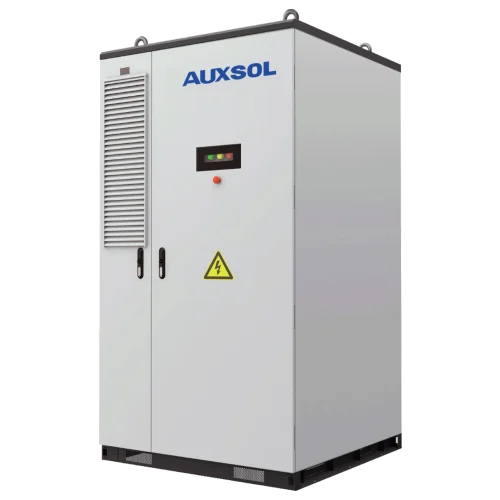
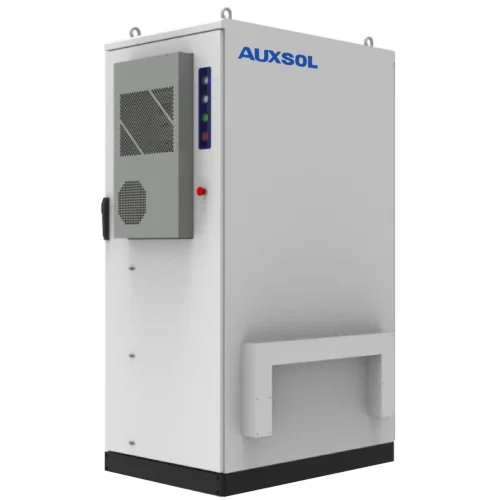
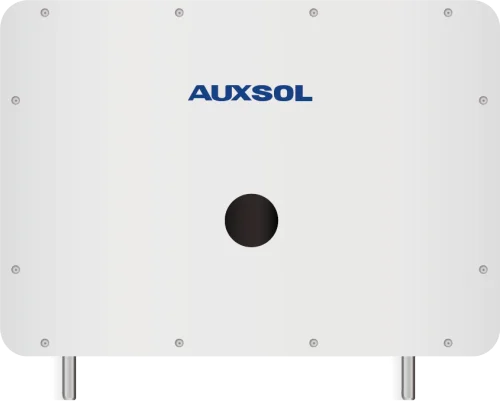
Inverter: Select between string inverters or microinverters. For off-grid or backup needs, ensure the inverter is compatible with your battery.
-
Mounting Equipment: Roof brackets (for roof installations) or ground brackets (for ground setups) provide stable support. Angles should be 18-36 degrees to maximize sun exposure.
-
Wiring & Tools: Use durable wires (to prevent rust or sparking), wire clips (to secure connections), and basic tools like a drill, wire strippers, and multimeter.
-
Safety & Compliance Gear: Quick-shutoff devices to meet NEC rapid shutdown codes (required for all photovoltaic systems) and protective equipment (gloves, respirators for concrete work).
-
Battery (Optional): For energy storage, choose a battery compatible with your inverter—critical for off-grid systems or backup power during outages.
Install Mounts & Solar Panels
Begin installation with the foundation: mounts that secure your panels and optimize sun exposure.
For Roof Mounts:
-
Ensure the roof is structurally sound, checking for suitability, slope, and obstructions.
-
Attach brackets at the correct angle (south-facing for the northern hemisphere, north-facing for the southern, horizontal near the equator).
-
Add rack rails spaced to fit your panels, then fasten panels with bolts and nuts for a secure fit.
For Ground Mounts:
-
Conduct an engineering survey to assess soil type, bearing capacity, and hidden obstacles (pipes, septic systems).
-
Excavate holes, pour concrete, and set piers. Use temporary supports (e.g., wood) to hold piers in place while concrete cures.
-
Install rack rails and attach panels once the concrete is fully cured.
Wire the System Safely
Proper wiring is critical for safety and efficiency. Follow these steps:
-
Choose between series or parallel connections: Series (positive to negative terminals) for higher voltage; parallel (positive to positive, negative to negative) for higher current.
-
Secure wires with wire clips to limit movement and prevent loose connections.
-
Prioritize safety: Turn off all circuits before working. Use dead wires for DC connections (PV panels generate power even in low light) and disconnect the AC circuit breaker to avoid shocks from the main panel.
Connect the Inverter
The inverter is the system's control center—install it correctly to ensure optimal performance:
-
Select a location: Choose a well-ventilated area away from direct sunlight (overheating shortens lifespan). Check the inverter's DC and AC connection sides to plan placement and avoid complicated wiring.
-
Mount the inverter: Wall-mount string inverters near the main service panel; microinverters attach directly behind individual panels.
-
Make connections: Link panel strings to the inverter (negative to negative, positive to positive). If using a battery, connect it to the inverter the same way—batteries store AC power converted by the inverter for later use.
Connect to the Grid (Optional)
For on-grid systems, connect your inverter to the utility grid to access backup power and feed excess energy back:
-
Link the inverter to your home's main power switchboard using an output wire.
-
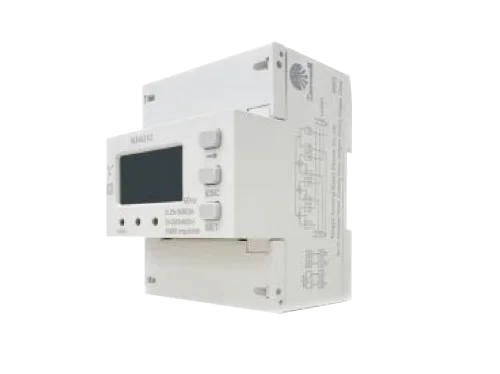
Install a dual meter (required to track energy usage and excess power sent to the grid, which reduces costs).
-
Contact your utility provider to confirm proper connection and compliance with grid standards.
Activate & Test the System
The final step is to start your system and verify it works correctly:
-
Turn on the inverter and check its digital display (most models show energy conversion rates, utilization, and system status).
-
Test appliances to ensure they're receiving power from the system.
-
Monitor performance over the first few days to confirm it meets your energy needs.
Maintain Your Solar Inverter System
Regular maintenance extends the lifespan of your system:
-
Clean panels bi-annually to remove dirt, debris, or blockages that reduce efficiency.
-
Protect components from humidity, extreme heat, and harsh weather.
-
Avoid overloading the system—stay within its maximum energy capacity.
-
For malfunctions, consult technical support from your supplier or a professional electrician.
Key Tips for DIY Success
-
Know Your Limits: If you lack electrical experience, hire a professional for wiring or final connections.
-
Choose Reputable Suppliers: Opt for brands that offer technical support (e.g., phone or email assistance) to troubleshoot issues.
-
Avoid Cheap Components: Quality panels and inverters are more efficient and durable, saving you money long-term.
Building a solar inverter system is a feasible DIY project with proper planning, safety focus, and the right components. By following these steps, you'll harness clean, renewable energy for your home, reduce utility bills, and gain valuable expertise. Embrace the process, prioritize safety, and enjoy the benefits of self-sustaining power.




 Essential cookies


SL正视图.png!thumb500)
TL-正视图.png!thumb500)
TL-正视图.png!thumb500)