Introduction: Why Choosing the Ideal Inverter Matters
In the realm of solar energy systems, the inverter is often called the "brain"—it converts the direct current (DC) generated by solar panels into alternating current (AC) that powers homes, businesses, and C&I facilities. From building owners to utility-scale project developers, selecting the ideal inverter isn’t just about cost—it directly impacts system efficiency, reliability, scalability, and long-term ROI. Whether you’re designing a small rooftop array or a large-scale solar farm, the right inverter can maximize energy output, reduce maintenance costs, and ensure compliance with industry standards. This guide will walk you through everything you need to know, from understanding what an inverter is to mastering the key factors that define the "ideal" choice for your specific needs.
Part 1: What Is a Solar Inverter?
Before diving into selection criteria, let’s clarify the core function and types of solar inverters—essential context for making an informed decision.
1.1 Core Purpose of Inverters
Solar panels produce DC electricity, which is incompatible with most electrical grids and appliances. Inverters solve this by:
-
Converting DC to AC (the standard for power distribution)
-
Regulating voltage and frequency to match grid requirements
-
Monitoring system performance (e.g., energy production, fault detection)
-
Ensuring safety (e.g., anti-islanding protection to prevent backfeeding during outages)
1.2 Common Types of Inverters
Not all inverters are created equal. The type you choose depends on your project size, budget, and performance goals:
-
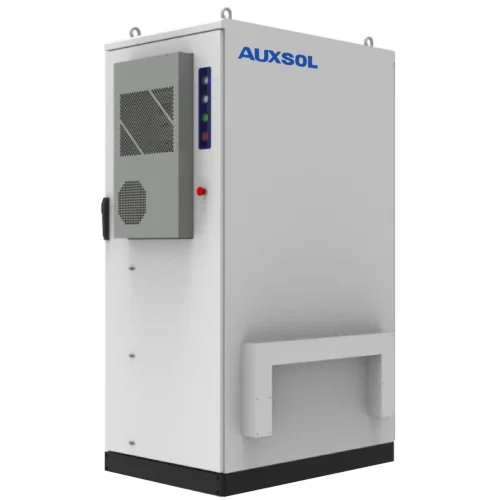
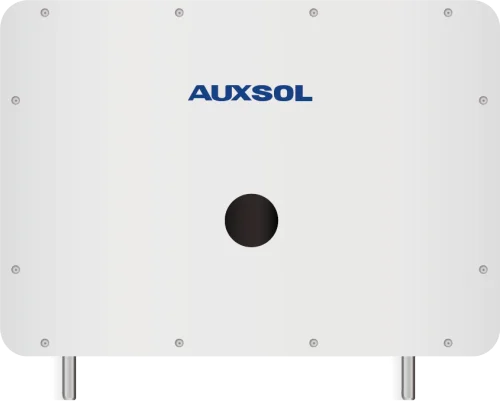
String Inverters: Ideal for small-to-medium C&I projects. They connect multiple solar panels in a "string" to a single inverter. Pros: Cost-effective, easy to install.
-
Microinverters: Installed on each individual solar panel. Each panel converts DC to AC independently.
-
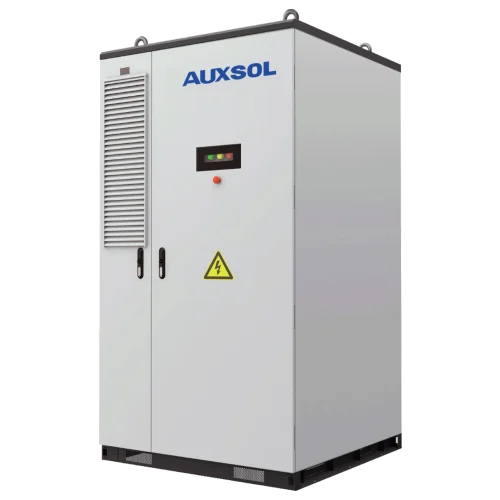
Central Inverters: Designed for large-scale projects. They connect hundreds or thousands of panels to a single, high-capacity inverter. Pros: High efficiency, low cost per watt, easy to monitor.
Part 2: Key Factors to Choose the Ideal Inverter
Now that you understand the types, let’s break down the critical criteria to evaluate.
2.1 Match Inverter Power to Your Solar System Size
The first rule: The inverter’s rated power (in kilowatts, kW) must align with your solar panel array’s total power output.
-
Under-sizing: If the inverter is smaller than the array, it will limit the system’s maximum output (wasting potential energy). For example, a 50kW inverter paired with a 60kW panel array can only produce 50kW at peak.
-
Over-sizing: A slightly larger inverter (10–20% over the array’s capacity) can capture more energy during partial shading or low-light conditions (e.g., cloudy days), this is called "oversizing the inverter" . Just ensure it complies with local grid regulations (some regions restrict over-sizing to avoid grid instability).
2.2 Prioritize Efficiency
Inverter efficiency measures how much of the solar energy it converts to usable AC. Even a 1% difference in efficiency can translate to thousands of dollars in energy savings over the inverter’s lifespan (typically 10–15 years).
Key Ratings:
-
CEC Efficiency (California Energy Commission): A weighted average efficiency score (out of 100%) that reflects real-world performance (not just peak efficiency). Aim for 96%+ for string/central inverters, 95%+ for microinverters.
-
EU Efficiency Class: Rated from A+++ (highest) to G (lowest). For B2B projects, only consider A++ or A+++ rated inverters.
Peak vs. Weighted Efficiency:
Peak efficiency (e.g., 98.5%) is the inverter’s best performance under ideal conditions, but weighted efficiency is more relevant for real-world use (since solar production varies throughout the day).
2.3 Evaluate Durability and Reliability
Commercial and industrial solar projects are long-term investments—your inverter must withstand harsh conditions (extreme temperatures, humidity, dust) and operate consistently.
-
IP Rating: The Ingress Protection rating indicates resistance to dust and water. For outdoor installations, aim for IP65 or higher (IP65 = dust-tight and protected against low-pressure water jets).
-
Operating Temperature Range: Look for inverters that work in -20°C to 60°C (-4°F to 140°F) or wider—critical for projects in hot deserts or cold climates.
-
Warranty: A strong warranty signals manufacturer confidence.
2.4 Consider Grid Compatibility and Compliance
Inverters must meet local grid codes and standards to ensure safe integration. For projects operating across regions, this is non-negotiable:
-
Grid Codes: Check compliance with standards like IEEE 1547 (US), IEC 61727 (Europe), or AS/NZS 4777 (Australia). These regulate voltage/frequency limits, anti-islanding, and fault ride-through (FRT) capabilities (critical for utility-scale projects).
-
Smart Grid Features: Modern inverters offer grid support functions like reactive power control (VAR), voltage regulation, and demand response.
2.5 Manufacturer Reputation and Support
Reliable after-sales support is critical. Choose a manufacturer with:
-
A proven track record in solar (look for case studies of similar projects, e.g., "solar inverter for 500kW warehouse array").
-
Global or regional service centers (to minimize downtime for repairs).
-
Technical support teams available 24/7 (critical for utility-scale projects where downtime equals lost revenue).
-
Software integration: Inverters should work with your existing energy management system (EMS) or offer a user-friendly monitoring platform (e.g., real-time energy production, fault alerts via mobile/desktop).
Conclusion: Invest in the Ideal Inverter for Long-Term Success
Choosing the ideal inverter for your solar project requires balancing technical performance, cost, and long-term reliability. By starting with a clear understanding of your project’s needs, evaluating key factors like power matching, efficiency, and grid compliance, and prioritizing TCO over upfront cost, you can select an inverter that maximizes energy output, minimizes downtime, and delivers strong ROI for years to come. Remember: The "ideal" inverter isn’t a one-size-fits-all solution—it’s the one that aligns perfectly with your specific project goals and operational requirements.
If you’re still unsure, partner with a solar system integrator or inverter manufacturer’s B2B technical team—they can conduct a custom assessment to recommend the ideal solution for your project.




 Essential cookies


SL正视图.png!thumb500)
TL-正视图.png!thumb500)
TL-正视图.png!thumb500)