Solar energy has become a cornerstone of sustainable power solutions for homeowners and C&I facilities worldwide. At the heart of any PV system lies a critical component that bridges the gap between raw solar power and usable electricity: the inverter. Among the most popular and versatile inverter options available,string inverters for solar panels stand out for their balance of cost-effectiveness, performance, and ease of integration. Whether you’re a solar installer, system integrator, or business owner planning a PV project, understanding how string inverters work, their key benefits, and ideal applications is essential to making informed decisions. In this guide, we’ll break down everything you need to know about string inverters for solar panels.
What Are String Inverters for Solar Panels?
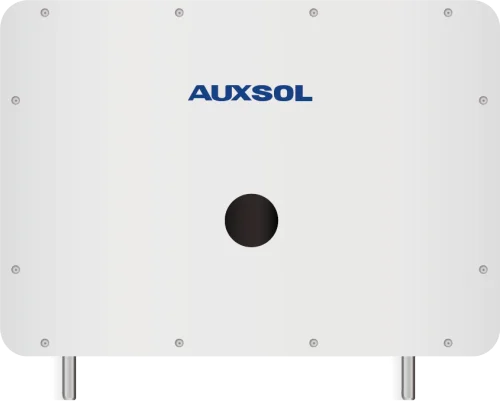
A string inverter is a core device in PV systems designed to convert the direct current (DC) generated by solar panels into alternating current (AC)—the type of electricity used to power homes, commercial and industrial equipment, or feed into the utility grid. The name “string inverter” comes from its configuration: multiple solar panels are connected end-to-end in a series to form a “string,” and one or more of these strings are directly connected to a single inverter.
Unlike microinverters or central inverters, string inverters operate as a middle ground. They are typically mounted in a convenient, accessible location near the solar array—such as a wall, rack, or garage—and handle power conversion for entire strings of panels. Two common variants exist to suit different system sizes: single-string inverters (for small setups with one panel string) and multi-string inverters (with multiple inputs for connecting several strings, offering greater scalability).
How Do String Inverters Work with Solar Panels?
The functionality of string inverters for solar panels revolves around three key stages, ensuring efficient and reliable energy conversion:
-
DC Power Collection: Solar panels generate DC power when exposed to sunlight. In a string configuration, this DC power is combined from multiple panels in a series and fed into the string inverter’s input terminals.
-
Maximum Power Point Tracking (MPPT): A critical feature of modern string inverters, MPPT technology optimizes the power output from each solar string. By continuously tracking the maximum power point of the string, the inverter ensures that even small changes in sunlight intensity or temperature don’t waste potential energy. High-quality string inverters often include multiple MPPT channels (2–4 or more), allowing independent optimization of each connected string and reducing losses caused by panel mismatch or minor shading.
-
DC-to-AC Conversion & Grid Synchronization: Using advanced electronic components (like MOSFETs or IGBTs) and PWM (Pulse-Width Modulation) technology, the inverter converts the optimized DC power into clean AC power. It then synchronizes the AC output with the utility grid’s frequency and phase, ensuring safe and seamless integration—whether the power is used on-site or exported to the grid.
Key Benefits of String Inverters for Solar Panels
String inverters have remained a popular choice for solar projects due to their unique advantages, making them ideal for a wide range of applications:
-
Cost-Effectiveness: Compared to microinverters, string inverters offer lower upfront costs. A single inverter can handle multiple panels, reducing equipment and installation expenses.
-
High Efficiency: Modern string inverters boast impressive conversion efficiency, with peak efficiency (under ideal conditions) ranging from 96% to 98%. Weighted efficiency metrics (like CEC or European weighted efficiency), which reflect real-world performance across varying sunlight and load conditions, typically fall between 95% and 97%—meaning only 3–5% of the DC power from panels is lost during conversion.
-
Easy Installation & Maintenance: Their compact, modular design makes string inverters simple to install and access. Since they’re mounted in a central location (not on the roof with panels), maintenance and repairs are easier and safer for technicians. Fewer components also mean fewer potential points of failure, enhancing long-term reliability.
-
Scalability: Multi-string inverters allow for easy system expansion. If you need to add more solar panels later, you can simply connect additional strings to the inverter’s extra inputs—no need to replace the entire inverter unit.
-
Built-In Safety & Monitoring: Top-tier string inverters come with integrated safety features, such as overvoltage protection, short-circuit protection, and anti-islanding protection (to prevent power feed-in during grid outages), eliminating the need for costly external safety devices. Many also include intuitive monitoring systems (via LCD displays or remote apps) that track system performance, allowing users to identify issues like low output or faults quickly.
-
Wide Voltage Range: Most string inverters support a broad DC input voltage range (e.g., 250–800V), adapting to changes in sunlight conditions and allowing more panels to be connected in series. This reduces cabling power losses and lowers wiring costs.
Ideal Applications for String Inverters
String inverters for solar panels excel in specific scenarios where their design and benefits align with project requirements. The best applications include:
-
Residential Solar Systems: Small to medium-sized home PV setups (3–10 kW) with unobstructed roofs (no significant shading) are perfect for string inverters. Their cost-effectiveness and simplicity make them a top choice for homeowners looking to reduce energy bills.
-
C&I Buildings: Medium to large C&I projects (10–200 kW), such as office buildings, warehouses, and factories, benefit from string inverters’ scalability and multi-MPPT capabilities. They can handle multiple panel strings and adapt to the higher energy demands of operations.
-
Ground-Mounted PV Installations: Large ground-mounted solar arrays (common in agricultural or C&I settings) with uniform sunlight exposure rely on string inverters for efficient power conversion. Their distributed architecture (installed near the array) reduces line losses compared to central inverters.
-
Projects with Budget Constraints: For installers or clients prioritizing lower upfront costs without sacrificing performance, string inverters offer an ideal balance compared to microinverters.
String Inverters vs. Microinverters: Which Is Better?
When choosing between string inverters and microinverters for solar panels, it’s important to consider your project’s unique conditions. Here’s a quick comparison to guide your decision:
Choose String Inverters If: Your roof has no significant shading, you’re working with a limited budget, or you prefer simple maintenance. They’re ideal for uniform panel orientations and medium-sized systems.
Choose Microinverters If: Your roof has complex shading (e.g., from trees or chimneys), panels are mounted at different angles, or you need panel-level performance monitoring. Note that microinverters have higher upfront costs and more potential failure points.
Factors to Consider When Selecting String Inverters for Solar Panels
To ensure you choose the right string inverter for your solar project, keep these key factors in mind:
-
Efficiency Ratings: Look for high peak and weighted efficiency (aim for ≥96% peak efficiency) to maximize energy production and ROI.
-
MPPT Channels: Opt for multiple MPPT channels if your system has multiple panel strings or potential for minor shading, as this improves independent optimization.
-
Power Capacity: Select an inverter with a capacity that matches or slightly exceeds your system’s total power output (e.g., a 5 kW inverter for a 4.5 kW panel array) to avoid overloading.
-
Safety Features: Ensure the inverter includes built-in protection (overvoltage, short-circuit, anti-islanding) and meets international standards (e.g., IEC, UL) for grid compatibility.
-
Durability & Warranty: Choose a inverter with a robust, weather-resistant enclosure (IP55 or higher) to withstand outdoor conditions. A long warranty (10–25 years) indicates manufacturer confidence in reliability.
-
Monitoring Capabilities: Remote monitoring (via app or web portal) allows real-time tracking of system performance, making it easier to detect and resolve issues quickly.
Conclusion: Why String Inverters Are a Smart Choice for Solar Panels
String inverters for solar panels remain a cornerstone of the solar industry, offering an unbeatable combination of cost-effectiveness, efficiency, and simplicity. Their ability to handle multiple panel strings, integrate advanced MPPT technology, and adapt to a wide range of applications makes them ideal for residential, commercial and industrial PV projects—especially those with uniform sunlight conditions and budget constraints.
By understanding how string inverters work, their key benefits, and what to look for when selecting a model, you can design a solar system that maximizes energy production, minimizes costs, and delivers long-term value. Whether you’re an installer optimizing for client satisfaction or a business owner investing in sustainable energy, string inverters are a reliable and efficient solution for unlocking the full potential of your solar panels.
Ready to learn more about how our high-performance string inverters can enhance your solar projects? Contact our team of experts today for personalized guidance and technical support.




 Essential cookies


SL正视图.png!thumb500)
TL-正视图.png!thumb500)
TL-正视图.png!thumb500)