In the rapidly evolving solar energy market,
inverters have become the essential link between clean energy generation and practical electricity use. As the global shift toward renewable energy accelerates, the role of inverters has expanded far beyond simple DC-to-AC conversion. They now act as intelligent hubs — managing power flow, supporting the grid, and enabling smart home energy networks.
Whether you’re optimizing a residential solar setup or building a commercial and industrial energy storage system, understanding what defines a great inverter can significantly impact performance, reliability, and long-term return on investment.
Why Inverters Matter More Than Ever
Every solar panel system depends on two things: sunlight and an efficient inverter. While solar panels capture energy, it’s the inverter that ensures every watt gets used effectively. A poor-quality inverter can waste precious solar power through conversion losses, or worse, reduce system longevity through inconsistent voltage handling.
Modern inverters bridge the gap between technology and practicality — ensuring energy flows seamlessly, devices remain protected, and power efficiency under variable weather conditions.
Key Factors That Define a Superior Inverter
Choosing the right inverter means looking beyond brand names and power ratings. The leading models share several crucial features:
-
High Conversion Efficiency: Premium inverters now reach conversion rates exceeding 98%, ensuring that nearly all the energy your panels produce is usable. Even tiny percentage improvements translate to substantial energy savings over time.
-
Wide MPPT Range: Maximum Power Point Tracking (MPPT) enables the inverter to extract the highest possible energy output from varying sunlight levels. Models with dual or multiple MPPT trackers deliver consistent performance through shading or system expansion.
-
Robust Thermal Management: Heat is an inverter’s main enemy. Advanced cooling designs, from natural convection systems to intelligent fan control, protect the electronics and extend operational life.
-
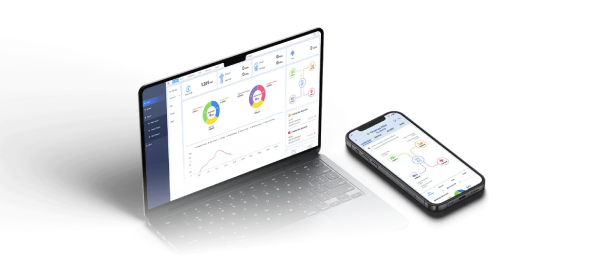
Smart Connectivity: With integrated Wi-Fi or RS485 interfaces, today’s inverters support mobile apps and remote monitoring platforms. This feature allows both homeowners and engineers to access real-time performance data and system health insights.
-
Safety and Certification: From over-voltage protection to arc fault detection, safety features should meet global standards like IEC, UL, or VDE certifications.
The Rise of Hybrid and Smart Inverter Systems
Energy storage is reshaping how we think about solar power. Hybrid inverters, capable of handling both grid connections and battery charging, are leading the next wave of innovation. These all-in-one units simplify installation, lower costs, and provide backup power during outages — a key advantage in regions with unstable grids.
Smart inverters are even more advanced. Using artificial intelligence and cloud connectivity, they dynamically respond to grid frequency, manage battery cycles, and optimize self-consumption. This intelligent coordination transforms solar systems into autonomous energy ecosystems that anticipate user demand and grid behavior.
Design, Reliability, and User Experience
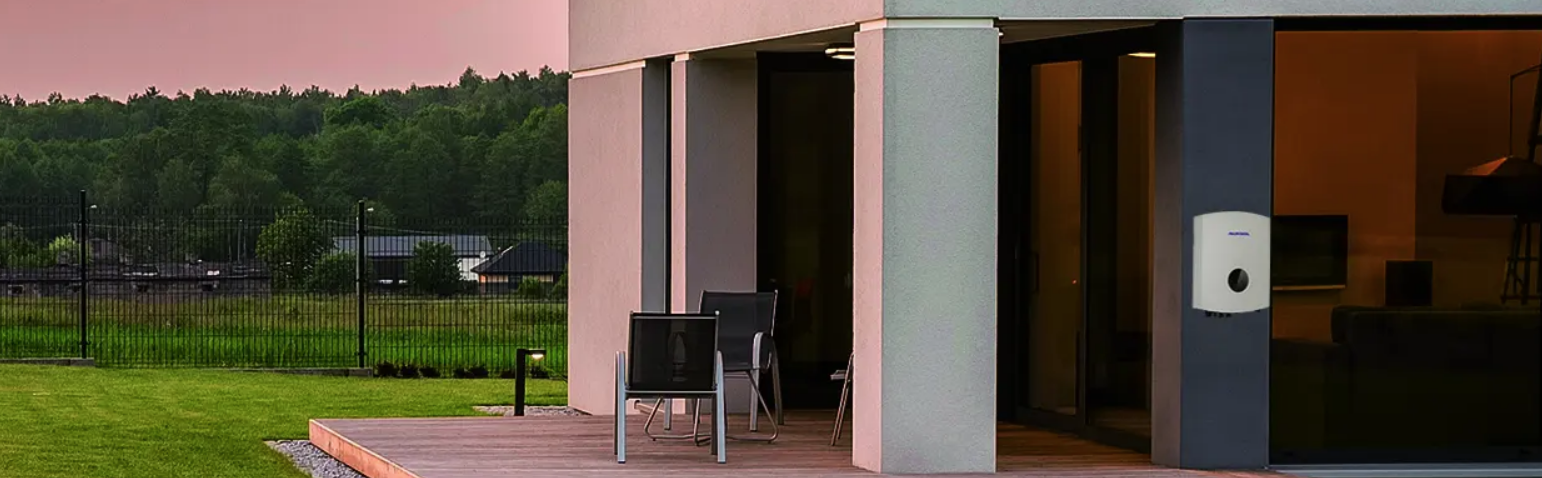
Today’s inverter manufacturers focus heavily on design as much as on technical performance. Sleek housings, quieter operation, and intuitive user interfaces are now the norm. Improved layout efficiency also means easier installation and lighter units, saving both labor and space.
For example, three-phase hybrid inverters are now being engineered with modular scalability, allowing installers to tailor solutions for residential use or large-scale microgrids. This adaptability ensures consistent performance in diverse scenarios — from suburban rooftops to remote sites.
Looking Ahead: The Next Chapter of Inverter Innovation
As global energy systems become smarter, the inverter will evolve into a central coordinator, not just a converter. The ultimate goal is a truly connected energy ecosystem — intelligent, resilient, and user-centered.
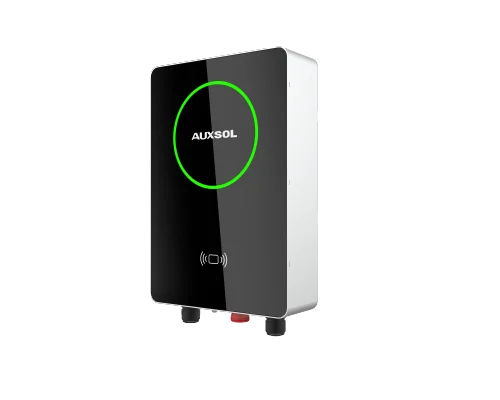
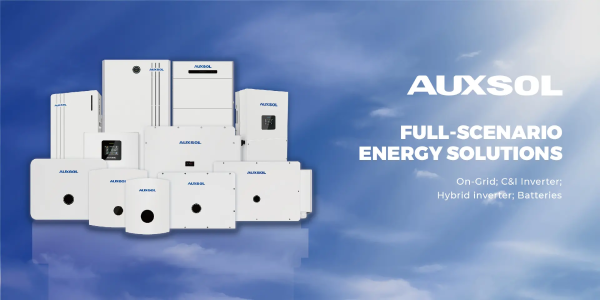
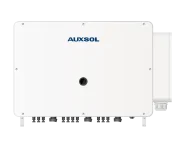
AUXSOL is among the manufacturers contributing to this evolution for combining technical precision with practical reliability. Our product, such as the
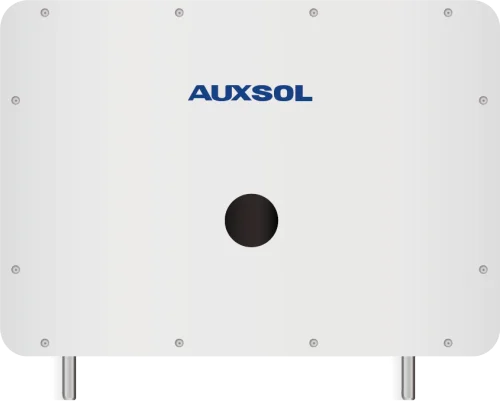
ASN-(3.6–6)SL-G2, represents the new generation of compact, high-efficiency inverters designed for real-world solar environments. By emphasizing performance stability, ease of integration, and long-term durability, such innovations are quietly advancing what's possible in how we think about modern solar energy solutions.




 Essential cookies


SL正视图.png!thumb500)
TL-正视图.png!thumb500)
TL-正视图.png!thumb500)