If you’re new to the solar energy world, you’ve probably heard the term “inverter solar” thrown around—but what exactly is a solar inverter, and why is it so important for your solar power system? You’re not alone if you’re confused. Many beginners jump into solar energy excited about solar panels, only to realize that the inverter is the unsung hero that makes your solar power usable. In this guide, we’ll break down everything you need to know about solar inverters in simple, jargon-free language—ideal for anyone just starting their solar journey.
What Is a Solar Inverter?
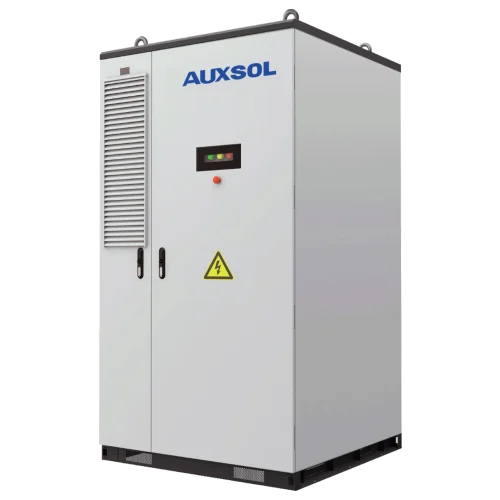
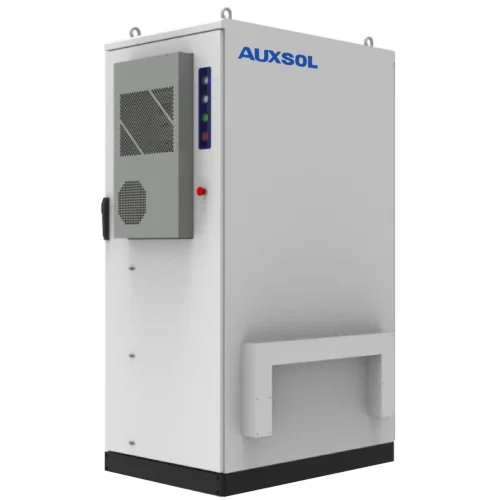
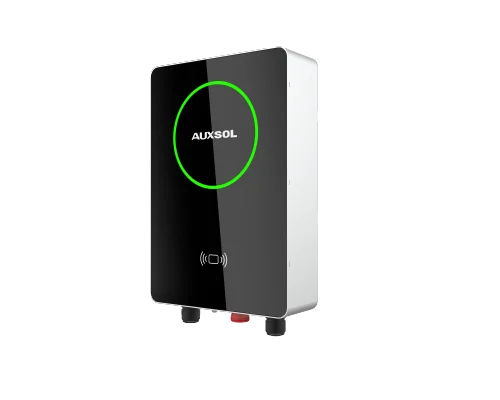
Let’s start with the basics: A solar inverter, often referred to as “inverter solar” in everyday talk, is a important component of any PV solar system. Its core job is simple yet essential: it converts the variable direct current (DC) electricity produced by solar panels into utility-frequency alternating current (AC) electricity that can power your home, business, or be fed into the electrical grid.
Think of it this way: Solar panels are like “energy collectors”—they soak up sunlight and turn it into DC power. But here’s the problem: Most of the appliances in your home (refrigerators, TVs, lights) and the public electrical grid run on AC power. Without an inverter solar, the DC power from your solar panels would be useless for everyday use. In short, the solar inverter is the “bridge” between your solar panels and the electricity you actually use. It’s also a key balance of system (BOS) component, ensuring that your solar system operates safely and efficiently.
Why Is Inverter Solar So Important?
Beyond just converting DC to AC, solar inverters have several other vital roles that make your solar system work properly. Here are the key reasons inverter solar is essential for any PV system:
-
Power Conversion: As we mentioned, this is the main function. Without DC-to-AC conversion, your solar panels’ energy can’t power your home or connect to the grid.
-
Maximum Power Point Tracking (MPPT): Solar panels’ energy output changes with sunlight intensity and temperature. The MPPT feature in modern inverter solar systems tracks the maximum power your panels can produce, ensuring you get the most energy possible from your system every day.
-
Safety Protection: Inverter solar systems include important safety features, such as anti-islanding protection. This feature shuts down the inverter if the grid power goes out, preventing dangerous backfeeding of electricity into the grid and keeping utility workers safe.
-
System Monitoring: Many modern inverter solar models come with built-in monitoring tools. These tools track how much energy your system is producing, detect faults, and help you keep an eye on your solar system’s performance—so you know if something isn’t working right.
Key Terms Every Beginner Should Know About Inverter Solar
When shopping for or learning about inverter solar, you’ll come across some technical terms. Don’t worry—we’ve simplified the most important ones:
-
DC (Direct Current): The type of electricity produced by solar panels—current flows in one direction.
-
AC (Alternating Current): The type of electricity used by homes, businesses, and the grid—current flows back and forth.
-
MPPT (Maximum Power Point Tracking): A feature that optimizes solar energy production by tracking the highest power output from your solar panels.
- Rated Power:The maximum amount of AC power the inverter can produce continuously (measured in kilowatts, kW). For preferred performance, the total DC power of your solar panel array is usually 1.1–1.3 times the inverter’s rated power.
-
Efficiency: How well the inverter converts DC to AC (measured as a percentage). Higher efficiency means less energy is lost during conversion—most modern inverter solar systems have an efficiency of 98-99%.
-
Anti-Islanding Protection: A safety feature that shuts down the inverter if the grid fails, preventing dangerous backfeeding.
How to Choose the Right Inverter Solar for Your Needs
Choosing the right inverter solar doesn’t have to be overwhelming. As a beginner, focus on these three key factors:
-
System Size: Match the inverter’s rated power to your solar panel array. If your array is 5kW, choose a 5kW (or slightly larger, 5.5-6kW) inverter to avoid limiting energy production. Oversizing by 10-20% can help capture more energy on cloudy days or during partial shading.
-
Grid Connection: Consider whether you’re connected to the grid or planning an off-grid setup, as this will influence the type of inverter that ideal suits your needs.
-
Efficiency & Reliability: Look for an inverter solar with high efficiency (97% or higher) and a good warranty (5-10 years). A reliable inverter will ensure your solar system runs smoothly for years.
Final Thoughts on Inverter Solar for Beginners
Solar inverters may not be as visible as solar panels, but they’re the “heart” of your solar system. Without a quality inverter solar, your solar panels’ energy is useless. As a beginner, the key takeaways are simple: inverter solar converts DC to AC, plays a important role in safety and energy optimization, and choosing the right one depends on your system size, grid connection, and reliability needs.
As you dive deeper into solar energy, you’ll learn more about advanced inverter features, but for now, this guide gives you the foundation you need to understand and choose the right inverter solar for your system. Whether you’re looking to power your home, reduce your energy bills, or embrace renewable energy, a good inverter is the first step toward a successful solar journey.
If you have questions about inverter solar or need help choosing the right one for your project, feel free to reach out to our team of solar experts—we’re here to help you every step of the way.




 Essential cookies


SL正视图.png!thumb500)
TL-正视图.png!thumb500)
TL-正视图.png!thumb500)