What Is a PV Panel Inverter and Why Is It Essential?
A PV panel inverter is a power conversion device that transforms the variable DC electricity produced by solar panels into utility-frequency AC electricity. PV panels generate DC power because sunlight excites electrons in the panel’s semiconductor material, creating a unidirectional flow of electricity. However, nearly all electrical appliances, buildings, and the public grid run on AC power—making the inverter an indispensable component of any PV system.
Without an inverter, the DC power from PV panels cannot be used by standard AC loads for powering everyday devices or feeding excess energy back to the grid. Beyond simple conversion, modern PV inverters also include features like maximum power point tracking (MPPT) and anti-islanding protection, which optimize energy production and ensure safety respectively. In short, the inverter is what makes solar energy practical and usable in our daily lives.
How Does a PV Panel Inverter Work?
The working principle of a PV panel inverter revolves around converting DC power to AC power through a series of controlled electrical processes. Here’s a simplified breakdown of the key steps:
-
DC Power Input: PV panels generate variable DC power, with voltage ranging from 250V to 600V depending on the system setup. This DC power is sent directly to the inverter’s input terminals.
-
Boost Stage: For grid-tied systems, the inverter first boosts the DC voltage to a level higher than the grid’s AC voltage—ensuring it can feed power into the grid effectively. This stage is important for maintaining compatibility with grid standards.
-
Conversion to AC: Using solid-state switches (such as IGBTs or MOSFETs), the inverter flips the DC power back and forth rapidly to create a sine wave AC current—matching the frequency (50Hz or 60Hz) and voltage of the local grid. This process is managed by the inverter’s internal electronics to ensure a stable, high-quality AC output.
-
MPPT Optimization: Maximum Power Point Tracking (MPPT) is a key feature that ensures the inverter extracts the maximum possible power from the PV panels at all times. Since PV panel output varies with sunlight intensity and temperature, the MPPT algorithm adjusts the electrical load to keep the panels operating at their most efficient point—boosting overall system performance by up to 30% in some cases.
-
Safety & Grid Synchronization: Grid-tied inverters include anti-islanding protection, which automatically shuts down the system if the grid power fails—preventing dangerous “islands” of power that could harm utility workers during maintenance. They also synchronize the AC output with the grid’s phase and frequency to ensure seamless integration.
Common Types of PV Panel Inverters
PV panel inverters come in several types, each designed for specific system sizes, applications, and installation scenarios. Understanding the differences helps in choosing the right inverter for a given PV system. Here are the most common types:
1. String Inverters
String inverters are the most widely used type, particularly for residential and small commercial and industrial PV systems. They connect multiple PV panels in a “string” (series) and convert the combined DC power of the string into AC power. String inverters are cost-effective, easy to install, and require minimal maintenance—making them ideal for systems with uniform roof conditions and no significant shading.
2. Microinverters
Microinverters are small, module-level inverters installed directly on each individual PV panel, each microinverter converts the DC power of a single panel into AC power independently.
3. Central Inverters
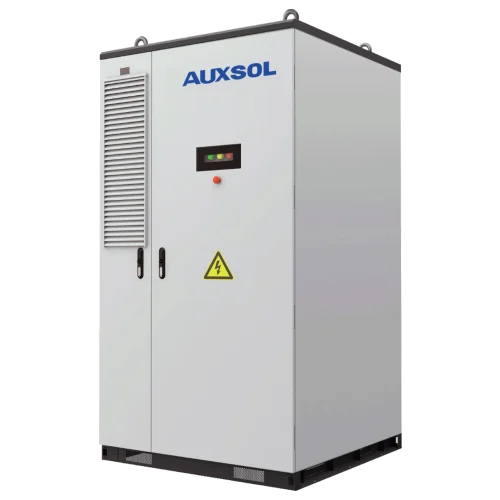
Central inverters are designed for large-scale utility-grade PV plants, where hundreds or thousands of PV panels are connected in multiple strings. They handle high power capacities (typically 100kW to several megawatts) and are optimized for efficiency in large systems. Central inverters are cost-effective for utility-scale projects due to economies of scale, but they require careful system design to avoid performance losses from string mismatches.
Key Specifications to Understand for PV Panel Inverters
When evaluating or selecting a PV panel inverter, several key specifications determine its performance, compatibility, and safety. Here are the most important ones to know:
1. Power Rating
The inverter’s power rating (measured in kilowatts, kW) indicates the maximum AC power it can output continuously. It should be matched to the total DC power of the PV panels, with a typical “oversizing” ratio (DC-to-AC ratio) of 1.1–1.3:1. This ensures the inverter can handle peak PV output while avoiding long-term overloading.
2. Conversion Efficiency
Conversion efficiency measures how much of the DC power input is converted into usable AC power (the rest is lost as heat). Higher efficiency means more energy is saved and used. Modern inverters typically have maximum efficiency ratings of 98–99.1%. For a more accurate picture of real-world performance, look at the “European efficiency” (a weighted average of efficiency at different load levels), which better reflects daily operation than peak efficiency alone.
3. MPPT Range
The MPPT voltage range specifies the DC voltage range in which the inverter can effectively track the maximum power point of the PV panels. A wider MPPT range means the inverter can adapt to changes in sunlight and temperature, ensuring optimal performance year-round. For example, a range of 200–1000V DC is common for string inverters in residential systems.
4. Protection Features
Safety is paramount, and inverters include several protection features to prevent damage and ensure safe operation:
-
Anti-islanding protection: Shuts down the inverter if the grid fails.
-
Overvoltage/undervoltage protection: Protects against grid voltage fluctuations.
-
Overheating protection: Reduces power output or shuts down if the inverter gets too hot.
-
Insulation monitoring: Detects leaks in the DC system to prevent electric shock.
-
Arc fault protection: Detects and stops dangerous electrical arcs that could cause fires.
5. Environmental Ratings
Since most inverters are installed outdoors, they need to withstand harsh weather conditions. The IP (Ingress Protection) rating indicates resistance to dust and water—with IP65 or IP66 being common for outdoor use (IP65 = dust-tight and protected against low-pressure water jets; IP66 = dust-tight and protected against high-pressure water jets). The operating temperature range (e.g., -25°C to +60°C) also ensures the inverter works in extreme hot or cold climates.
Common PV Panel Inverter FAQs
Even with a basic understanding, questions often arise about PV panel inverters. Here are answers to some of the most frequently asked questions:
Q1: How long do PV panel inverters last?
Most PV inverters have a lifespan of 10–15 years, which is shorter than PV panels (25–30 years). This means you may need to replace the inverter once during the lifetime of your solar system. However, advances in technology are extending inverter lifespans, and many manufacturers offer 10–15 year warranties to cover defects.
Q2: What causes inverter failures, and how can I prevent them?
Common causes of inverter failures include overheating, voltage surges, poor installation, and component wear-and-tear. To prevent failures: Install the inverter in a well-ventilated area away
from direct sunlight and heat sources. Ensure proper wiring and connections to avoid voltage spikes. Regularly clean the inverter’s cooling vents to prevent dust buildup. Monitor
performance regularly to catch issues early (e.g., low efficiency, error codes).
Q3: Can I add battery storage to my existing PV inverter?
It depends on the type of inverter. Standard grid-tied string inverters cannot be directly connected to batteries—you’ll need a hybrid inverter or a separate battery inverter. Always consult a solar professional before adding batteries to an existing system.
Q4: What happens if the inverter shuts down unexpectedly?
If your inverter shuts down, first check for common issues like grid outages, overheating, or voltage fluctuations. Most inverters have a display panel or app that shows error codes (e.g., “input under-voltage” or “overtemperature”) to help diagnose the problem. If the issue persists, contact a certified solar technician to inspect the system.
The Future of PV Panel Inverters
The PV inverter industry is evolving rapidly, driven by the growing demand for solar energy and advancements in power electronics. Key trends include:
Smart Inverters: Inverters with built-in connectivity (Wi-Fi, 4G, Ethernet) allow remote monitoring, performance optimization, and software updates—making maintenance easier and improving system efficiency.
High-Efficiency Semiconductors: The use of silicon carbide (SiC) and gallium nitride (GaN) semiconductors is increasing, as they improve conversion efficiency, reduce size and weight, and lower energy losses.
Grid Support Capabilities: Inverters are being designed to provide grid services like voltage regulation and frequency response, helping to stabilize the electrical grid as more renewable energy is integrated.
Decentralized Energy Systems: The rise of microgrids and distributed solar is driving demand for inverters that can operate independently or in conjunction with the grid, supporting energy resilience and self-consumption.
Final Thoughts
As the solar industry continues to grow, inverters will play an increasingly critical role in the transition to clean energy. By staying informed about the latest technologies and best practices, you can maximize the value of your solar investment and contribute to a more sustainable future.




 Essential cookies


SL正视图.png!thumb500)
TL-正视图.png!thumb500)
TL-正视图.png!thumb500)