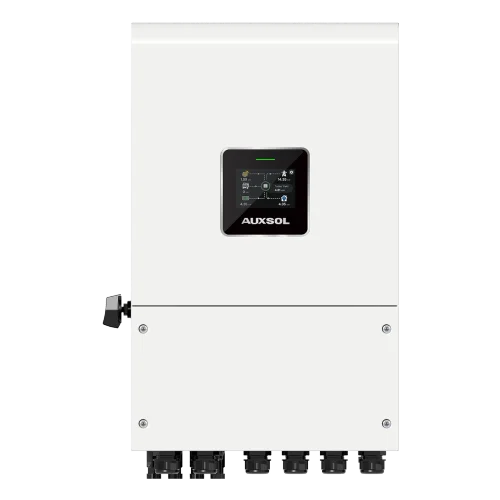
For many households, a hybrid solar power inverter has become the central device in a modern home energy system. It connects PV modules, batteries, home loads, and the grid, enabling self-consumption, backup power, and intelligent energy management in one unit. Choosing a high-quality hybrid inverter can help a system remain reliable and adaptable over many years.
The Role of a Hybrid Inverter in Home PV Systems
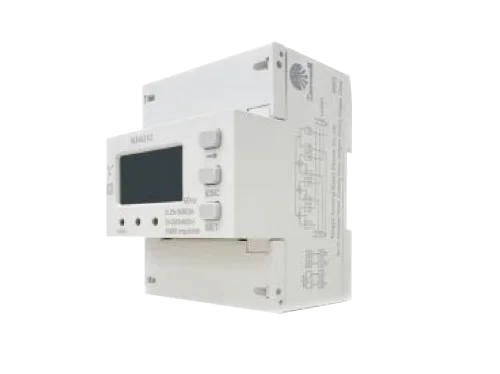
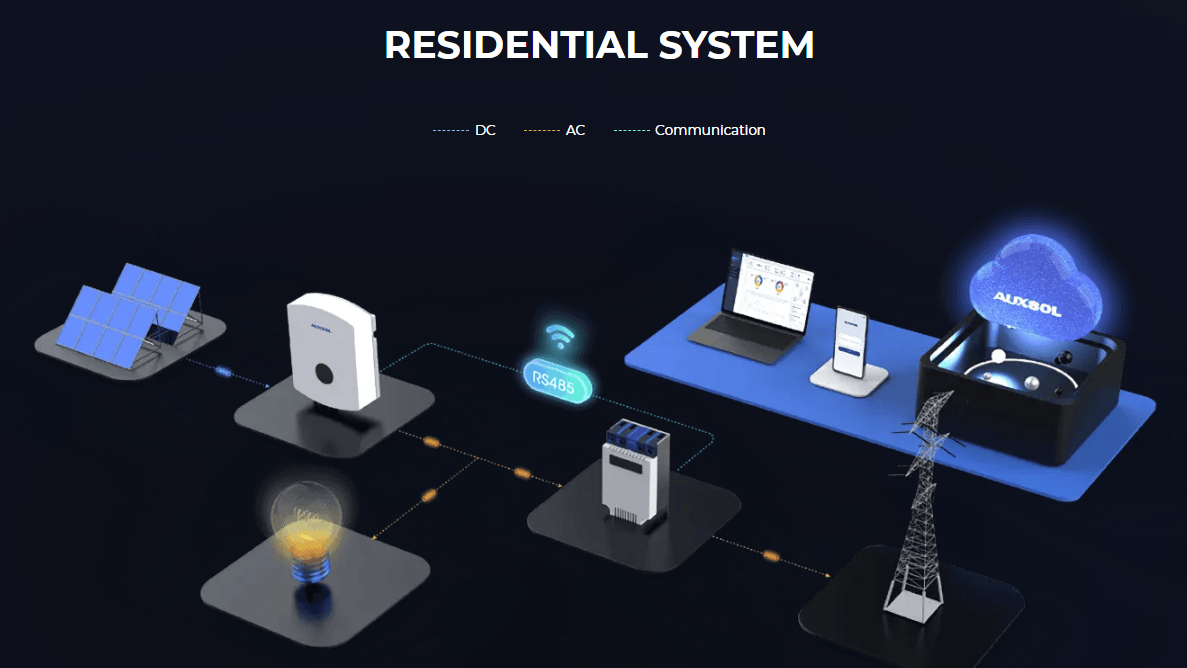
In a typical residential PV + storage setup, the main components include PV panels, a hybrid inverter, a battery pack, a smart meter, a utility meter, and a home energy management system.
A hybrid inverter for the home:
-
Converts DC power from PV modules into AC power for household use.
-
Charges and discharges the battery according to solar production and demand.
-
Manages power exchange with the grid, including export and import.
-
Provides a backup output to support important loads during grid outages.
Because it sits at the center of the system, the hybrid inverter influences safety, comfort, and overall energy yield.
Safety and Reliability as the Foundation
Homeowners usually expect their inverter to operate for many years with minimal intervention. Safety and reliability are therefore essential.
A high-quality residential hybrid inverter typically offers:
-
Comprehensive protection features: DC reverse-polarity protection, anti-islanding, short-circuit protection, output over-current protection, DC and AC surge protection, insulation resistance detection, ground-fault monitoring, and residual current detection.
-
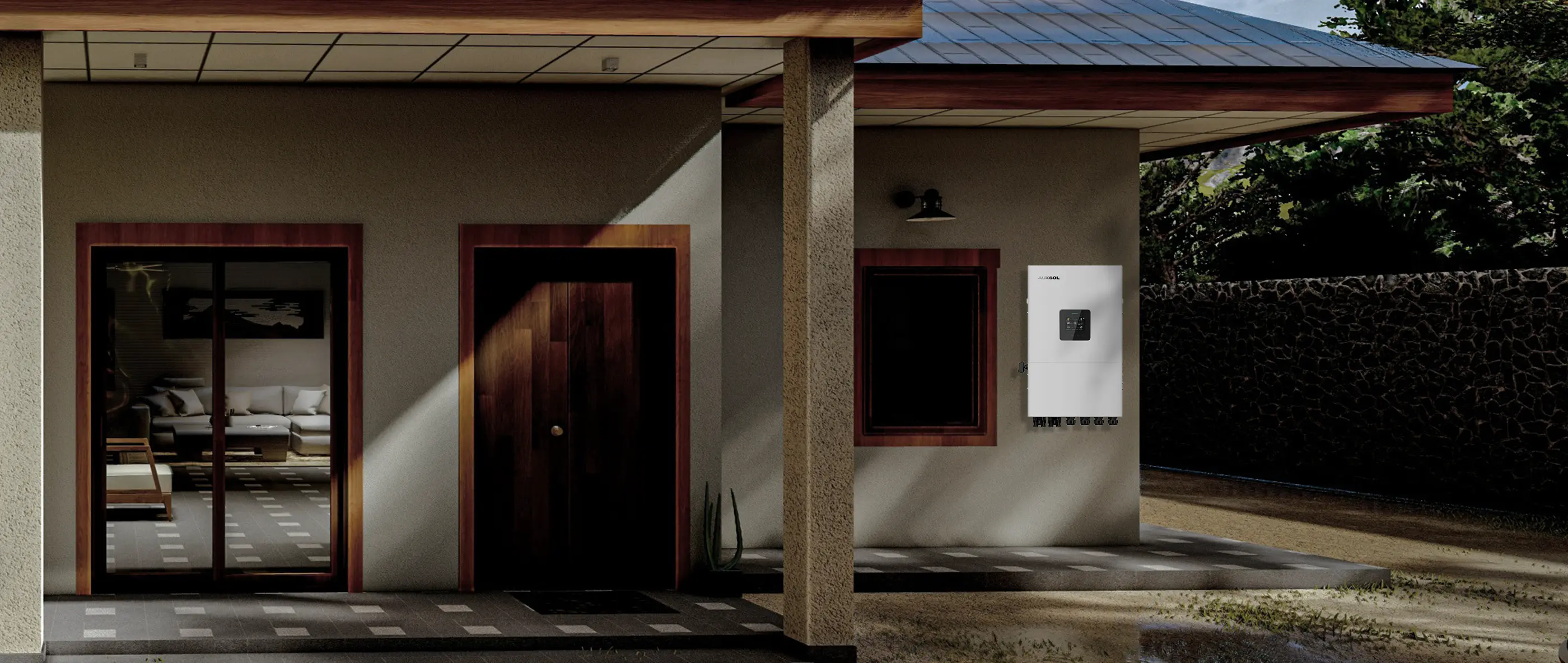
Robust enclosure and environmental performance: weather-resistant housings, often with IP66 protection, allow outdoor or semi-outdoor installation in various climates.
-
Safe battery interface: communication with LFP battery management systems (via CAN or RS485) supports appropriate charging and discharging strategies over the battery’s lifetime.
These design aspects help the system operate within safe limits in daily use.
Efficiency, MPPT Design, and Energy Yield
Performance is another key part of “high quality” in a home hybrid inverter.
Important elements include:
-
High conversion efficiency: hybrid inverters that use advanced power topologies and control algorithms can reach efficiency levels close to those of dedicated on-grid inverters, reducing conversion losses.
-
Wide MPPT voltage range: broad MPPT windows make it easier to design PV strings for multi-slope European roofs while keeping the inverter in its optimal operating region.
-
High string current capability: support for high string currents (for example, 16–20 A) allows the system to work well with modern large-format, high-power modules.
-
DC/AC oversizing: the ability to oversize DC capacity relative to the AC rating (for example, around 1.5 times) helps capture more energy in morning, evening, and low-irradiance conditions.
Together, these features influence the long-term energy yield of the system for many homeowners and businesses.
Backup Power and Comfort During Grid Outages
One of the most visible benefits of a hybrid inverter is its potential to support backup power.
A home-oriented hybrid inverter can:
-
Switch to backup mode quickly: some products achieve transfer times on the order of 10 ms between grid and backup mode, helping sensitive loads continue to operate smoothly during brief interruptions.
-
Provide dedicated backup circuits: dedicated backup outputs allow installers to connect key loads such as lighting, networking, and refrigeration, helping households use battery capacity more effectively during outages.
For homes in areas with unstable grids or where peace of mind is a priority, these backup capabilities add tangible value.
Smart Home Energy Management
High-quality hybrid inverters are increasingly combined with smart control features.
Typical capabilities include:
-
24-hour energy management: monitoring PV production, consumption patterns, and tariffs to implement strategies such as “self-consumption priority”, “backup priority”, or time-of-use optimization.
-
Remote diagnostics and updates: the ability to receive firmware updates and remote support can help keep the system up to date and simplify troubleshooting.
-
Multiple communication options: RS485, WiFi, 4G, and LAN interfaces provide flexibility for integrating with mobile apps and web platforms.
These functions turn the hybrid inverter into an active part of a digital home energy ecosystem.
Matching Hybrid Inverter Types to Different Homes
The “right” hybrid inverter also depends on the household’s grid connection and load profile.
For example:
-
Single-phase homes: many homes use single-phase supplies, which align well with 3.6–6 kW single-phase hybrid inverters combined with suitable low- or high-voltage battery packs.
-
Three-phase homes: where three-phase connections are available, three-phase hybrid inverters in the 5–20 kW range can support higher total power and more balanced phase loading, useful for homes with EV charging, heat pumps, or larger appliances.
-
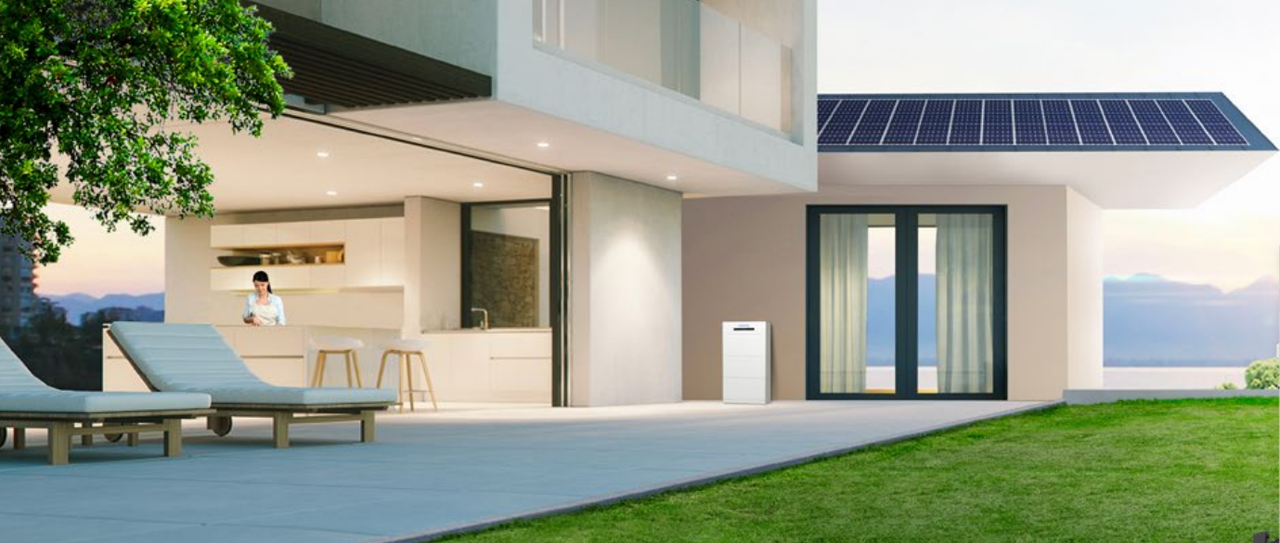
Modular storage: modular LFP battery systems in capacities around 5–26.5 kWh give households the option to start with moderate storage and expand later if needs grow.
Building a system around these elements can help ensure that the hybrid inverter closely matches the home’s requirements.
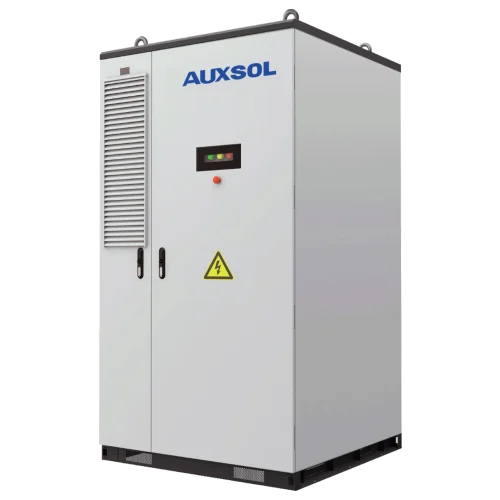
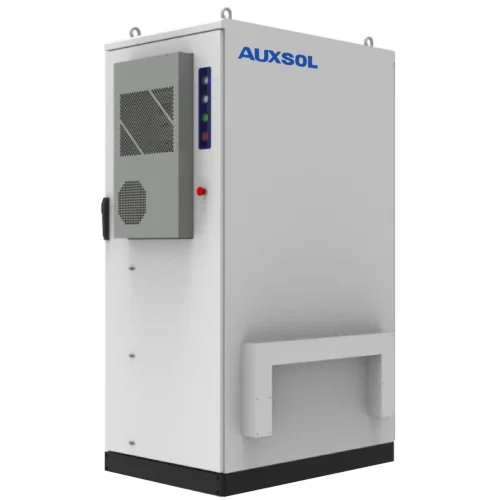
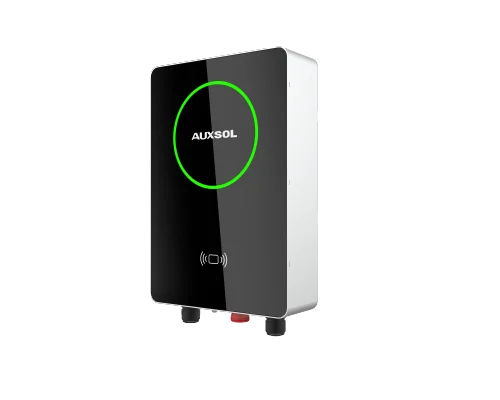
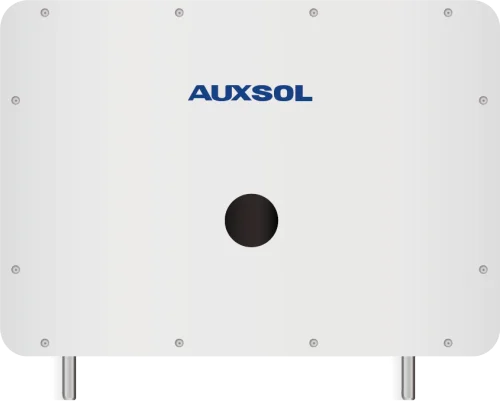
When evaluating hybrid inverters, many users look to manufacturers that specialize in PV and storage. AUXSOL, a subsidiary of Sanxing Electric Ningbo, under AUX Group (est. 1986), focuses on on-grid inverters, hybrid inverters, battery packs, and energy storage systems.
AUXSOL’s residential energy storage portfolio includes single-phase hybrid inverters from 3.6–6 kW and three-phase hybrid inverters from 5–20 kW, designed to work with LFP battery packs and home energy management systems. These solutions can serve as a useful reference point when planning hybrid solar power systems for homes.
If you mainly work with single-phase homes or three-phase homes, that focus can help narrow down the most relevant hybrid configurations and product ranges.




 Essential cookies


SL正视图.png!thumb500)
TL-正视图.png!thumb500)
TL-正视图.png!thumb500)