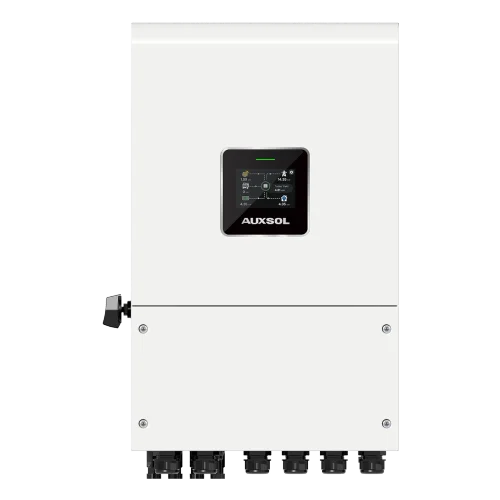
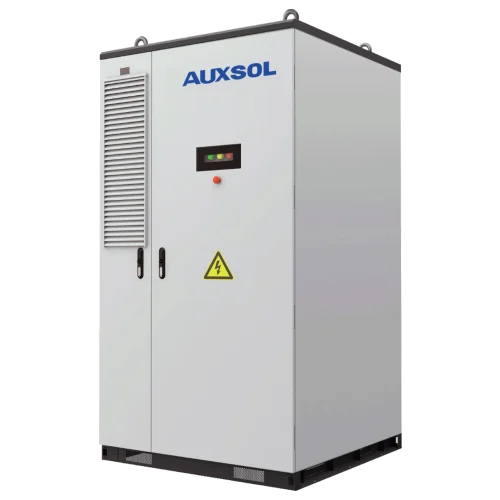
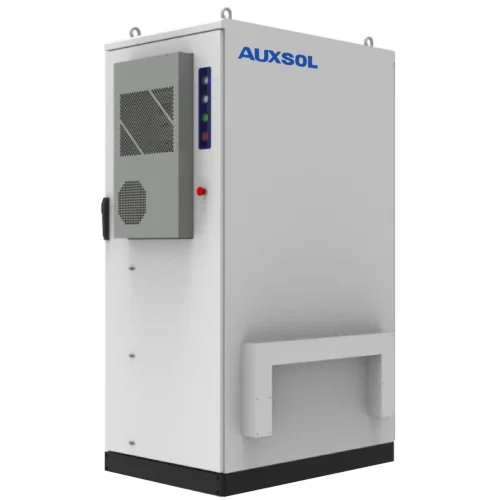
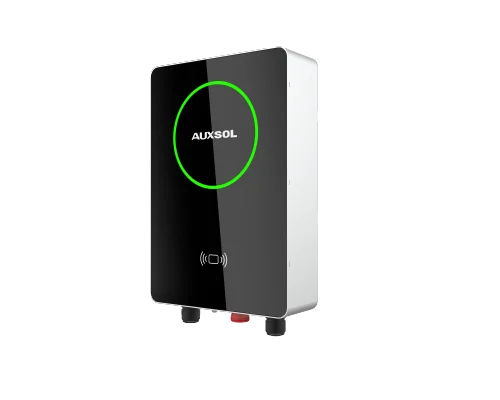
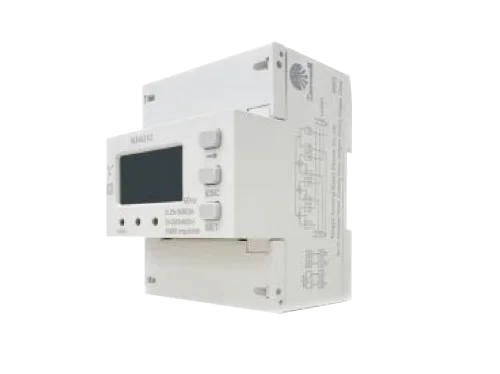
A 220V solar inverter used in grid‑tied systems is generally a regular on‑grid string inverter rather than an off‑grid unit. It synchronizes with the public grid, injects surplus solar energy when available, and falls back to grid power when solar generation is insufficient. This makes it an important tool for reducing daytime grid consumption while keeping the overall power supply stable and convenient.
How a 220V inverter works in a PV system
A typical residential PV system with a 220V inverter includes PV modules, DC cabling, the inverter itself, AC protection devices, smart meters, and the grid connection.
-
PV modules generate DC power from sunlight.
-
DC power flows through strings to the inverter’s MPPT inputs.
-
The 220V inverter tracks the maximum power point (MPPT) and converts DC to AC at 220/230/240V, 50/60Hz, in sync with the grid.
-
Power is first supplied to household loads; any surplus can be exported to the grid depending on local metering rules.
In a more advanced setup, the 220V inverter can work together with a hybrid inverter and battery pack, enabling energy storage and backup supply for selected loads during outages. In such systems, the on‑grid inverter focuses on efficient PV‑to‑grid conversion, while the hybrid inverter manages the battery and backup circuits.
Core electrical specifications for 220V inverters
AC side: matching your home grid
A 220V residential string inverter typically specifies:
-
Rated grid connection: 1NPE, 220/230/240V, 50/60Hz single phase.
-
Rated and maximum apparent power: For example, 3.6 kW / 3.96 kVA, 5 kW / 5.5 kVA, or 10 kW / 10 kVA, which define how much power can be delivered to the home and grid.
-
Rated current: From around 13–16 A at 3–4 kW up to more than 45 A at 10 kW, reflecting the current on the AC side.
-
Adjustable power factor: Many professional inverters support 0.8 leading to 0.8 lagging, helping support local grid voltage regulation and comply with grid codes.
These ratings need to align with the main distribution board, cable sizing and protection devices, so that the system operates safely under typical and high‑load conditions.
DC side: PV array design flexibility
On the DC side, several parameters directly impact how you design the PV array:
-
Maximum DC input power and DC/AC ratio: Many AUXSOL single‑phase and three‑phase inverters allow up to 1.5× DC overmatching, letting you connect more PV power than the rated AC output to increase yield in low‑irradiance hours.
-
Maximum DC voltage: Values around 550–600V on residential models define the upper limit of string voltage.
-
MPPT voltage window: Ranges such as 40–520V or 80–520V allow strings to start generating early in the morning and continue into the late afternoon, improving daily energy harvest.
-
Input current and string current: With single‑string currents up to 18–20 A, these inverters support high‑current PV modules, including 182/210‑mm cell formats commonly used today
Efficiency, thermal performance and lifetime yield
High conversion efficiency directly affects how much solar energy becomes usable electricity at 220V AC. AUXSOL single‑phase and three‑phase on‑grid inverters adopt transformerless topology and advanced control algorithms to keep efficiency high while maintaining reliability.
-
Maximum efficiency: AUXSOL three‑phase C&I inverters can reach up to 98.6% maximum efficiency, while residential single‑phase units also provide high conversion efficiency suitable for rooftop systems.
-
Wide operating temperature range: Many models operate from around −30°C up to 60°C, supporting full‑load output up to 45°C without derating, which is valuable in hot regions.
-
Durable components: The use of pure film capacitors with a design lifespan of up to 25 years in certain three‑phase products helps maintain performance over long operating periods.
Safety protections tailored to 220V home use
Key protection features include:
-
Anti‑islanding protection: Automatically disconnects the inverter when the grid fails.
-
DC reverse‑polarity and short‑circuit protection: Helps keep the inverter within safe operating limits even if DC connections are made incorrectly during installation.
-
Residual current and insulation monitoring: Continuously tracks insulation impedance and leakage current between DC and ground, improving fault detection sensitivity.
-
Surge protection: Integrated type II surge protection on both DC and AC sides enhances resilience against lightning‑induced overvoltage events when combined with external surge devices.
-
Temperature and over‑current protection: The inverter can limit or shut down output when internal temperature or currents exceed safe thresholds, extending component life.
-
AFCI (Arc‑Fault Circuit Interruption): Optional intelligent AFCI helps detect arc faults on DC strings and mitigates fire risk, particularly valuable on complex rooftops.
In addition, enclosures with IP66 ingress protection ratings are designed for outdoor mounting, resisting dust and water jets when installed according to the manual.
Smart monitoring, apps, and data visibility
Modern 220V inverters not only convert energy; they also act as data hubs. AUXSOL systems support a combination of local indicators and remote monitoring:
-
Local status display: LED indicators — and LCD on some models — allow quick checks of operating mode, alarms, and communication status on‑site.
-
Communication interfaces: RS485 is commonly used for wired connections to smart meters, energy management systems, or third‑party monitoring.
-
Wireless options: Optional Wi‑Fi, 4G, and LAN modules enable connection to the AUXSOL cloud platform, allowing users to monitor daily generation, cumulative yield, and alarms through web and mobile apps.
Residential solutions described by AUXSOL show that PV inverters, cloud platforms, and energy storage products can together support all‑day intelligent monitoring, data analysis, and flexible system tuning.
Example: 220V single‑phase inverters for homes
AUXSOL offers several single‑phase on‑grid inverter series suitable for 220V home applications:
-
ASN‑(3–3.3)SL and
ASN‑(3.6–6)SL‑G2: Compact models ranging from 3 to 6 kW, with 1NPE 220/230/240V output, IP66 protection and wide MPPT ranges starting from 40V.
- ASN‑(3.6–6)SL‑PLUS: Models with low 80V start‑up voltage, allowing earlier daily operation and more energy capture in low‑light conditions.
- ASN‑(7–10)SL: Higher‑power single‑phase options designed specifically for home systems, combining 40V low start‑up voltage, silent operation below 35 dB, and no power derating at 45°C, which is especially useful in warm climates.
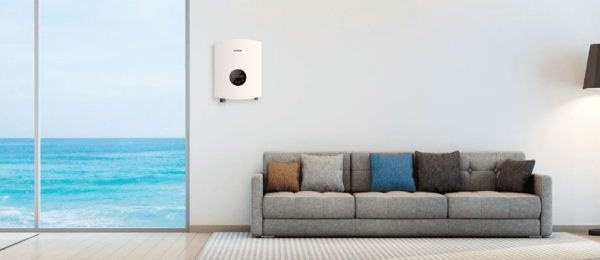
These inverters share design concepts such as compact form factor, transformerless high‑efficiency topology, intelligent protection, and multi‑channel communication. AUXSOL, a subsidiary of Sanxing Electric Ningbo, under AUX Group (est. 1986), has emerged as a powerhouse in the solar inverter sector, bringing group‑level R&D and manufacturing capabilities into residential PV products.
When planning a home PV system with an inverter, you can follow this practical selection path:
-
Clarify grid conditions and loads
-
Confirm your local voltage standard (e.g., 220 or 230V) and frequency.
-
List your typical daytime loads (air‑conditioning, refrigeration, electronics) and estimate a target PV capacity that can offset a meaningful share of consumption.
-
Decide system topology
-
If your main goal is to reduce bills with a simple setup, a regular on‑grid 220V string inverter is usually a preferred option.
-
If you also want backup during outages or time‑of‑use optimization, consider a system that combines a hybrid inverter and battery pack while still using grid‑compatible 220V output.
-
Match the inverter power and the PV array
-
Choose an inverter power (for example, 3.6, 5, 6, or 10 kW) based on roof area, budget, and expected load.
-
Design PV strings to operate within the inverter’s MPPT range, and consider using up to 1.5× DC/AC ratio where appropriate to improve yield.
-
Review safety, certifications, and after‑sales
-
Check that the inverter meets relevant grid codes and safety standards applicable in your country (such as EN 50549‑1, IEC 61727, IEC 62116, or NC RfG where needed).
-
Pay attention to protection functions, enclosure rating, and available service centers. AUXSOL, for example, supports its PV products with R&D centers in Ningbo and Shenzhen, and service centers in Brazil, Poland, and Germany, among others.
-
Consider monitoring and future expansion
-
If you plan to add batteries or additional PV later, ensure the inverter and system design can accommodate expansion through compatible interfaces.
-
Choose communication options (Wi‑Fi, 4G, RS485) that fit your site’s conditions so you can reliably track performance over time.




 Essential cookies


SL正视图.png!thumb500)
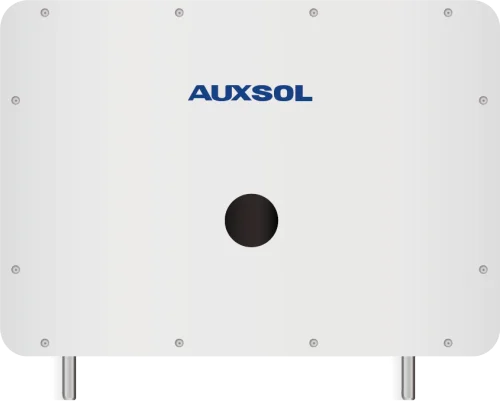
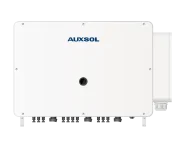
TL-正视图.png!thumb500)
TL-正视图.png!thumb500)