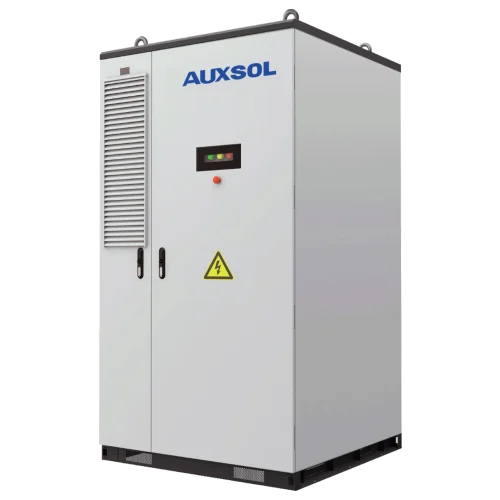
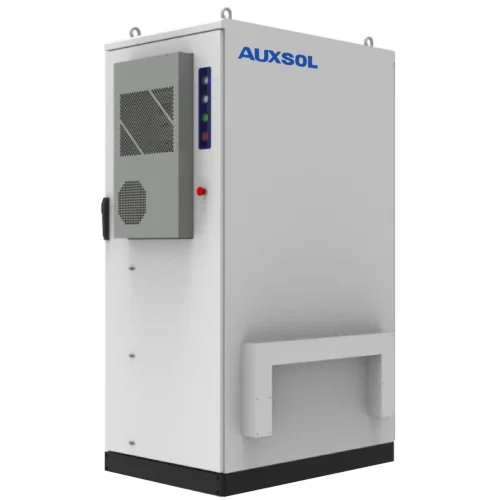
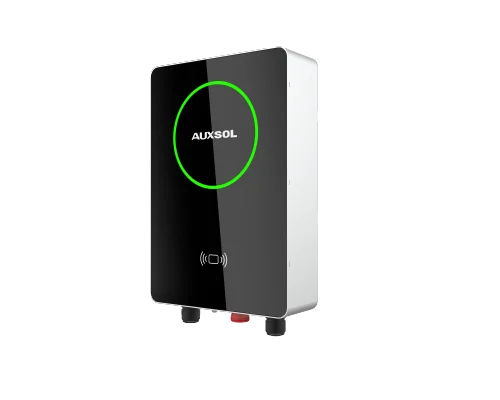
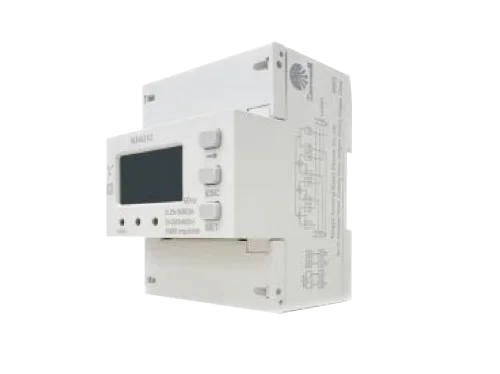
What is a 3-Phase Inverter?
A 3-phase inverter produces three AC waveforms offset by 120 degrees, replicating utility grid power for high-demand applications. It outperforms single-phase units by delivering smoother power, higher torque, and reduced harmonics for machinery like pumps and conveyors.
Advanced designs, such as voltage-source or multilevel topologies, achieve efficiencies up to 99%, reducing losses in variable frequency drives (VFDs) and supporting scalable systems.
Key Benefits
-
Higher power capacity at lower cost per watt, ideal for commercial and industrial projects.
-
Enhanced motor performance with less vibration and heat, extending equipment life.
-
Seamless grid integration, scalability, and remote monitoring for optimal uptime.
-
Built-in protections like arc fault detection and harmonic mitigation for safety and reliability.
Common Applications
These inverters shine in solar farms and wind systems, converting DC to grid-compatible AC efficiently. In industry, they power heavy equipment, and automation; agriculture uses them for irrigation; and EVs rely on them for motor control.
Even large residential setups benefit from their stability during grid instability.
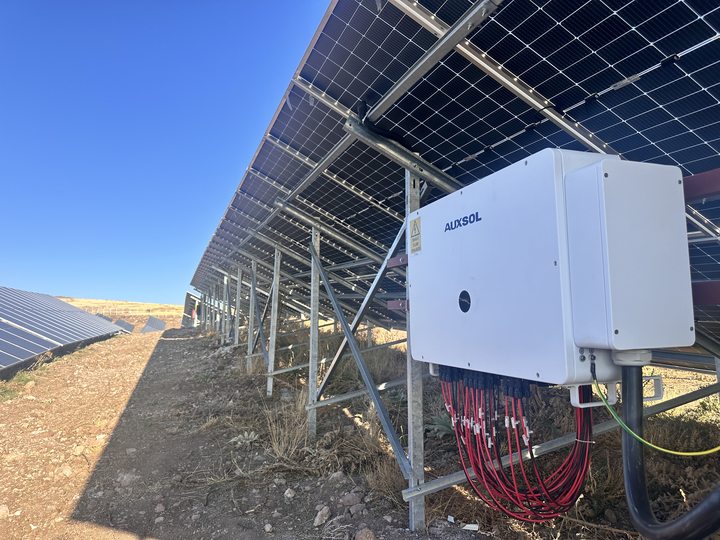
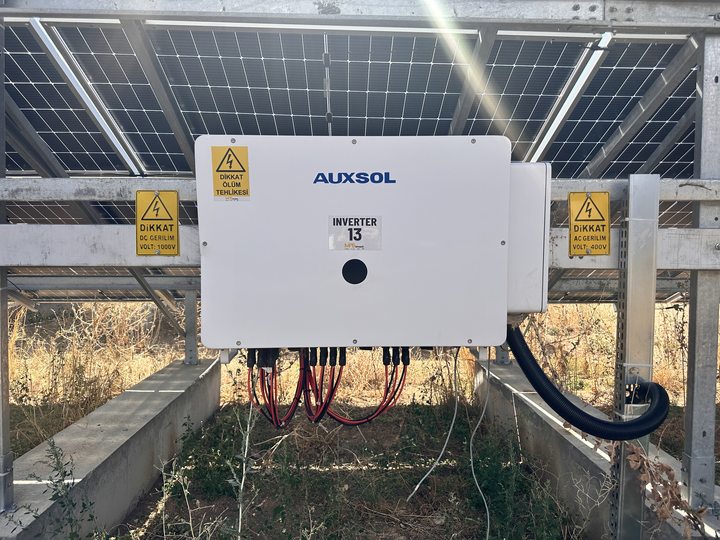
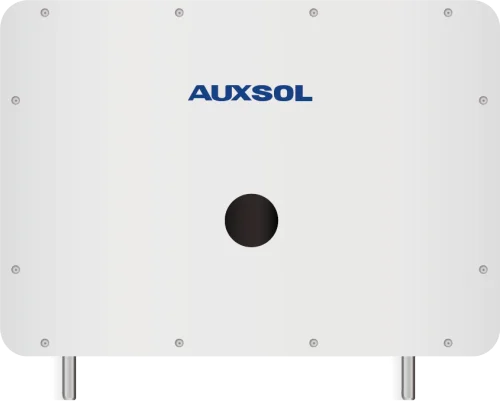
For demanding C&I solar projects, our ASN-(20-25)TL-LV delivers exceptional performance on low-voltage grids. Offered in 20kW and 25kW variants, they reach 98.6% max efficiency and 98.0% EU efficiency, maximizing yield in tough conditions.
With 1.5x DC/AC oversizing, 180V startup, four MPPTs up to 40A each (perfect for bifacial modules), Type II surge protection, optional AFCI, and IP66 enclosure, they ensure durability. RS485/WiFi monitoring simplifies management—explore full details via the link above.
Why Choose Our Inverters?
Our 3-phase solutions, like the ASN series, feature modular designs, 150% oversizing, and 12-20 year warranties, cutting costs and ensuring long-term reliability.
FAQ
What is the main difference between single-phase and three-phase inverters?
Single-phase inverters are suited for lighter residential loads with efficiencies around 94-96%, while three-phase models handle high-power commercial and industrial applications at 96-99% efficiency, offering better load balance and scalability.
Are three-phase inverters suitable for solar power systems?
Yes, they excel in solar setups by optimizing DC-to-AC conversion, supporting DC oversizing up to 1.5x, and integrating with smart grids for maximum energy yield and stability.
What are the basic steps for installing a three-phase inverter?
Mount it in a well-ventilated area, connect DC inputs from panels and AC outputs to the grid per local electrical codes, and use models with auto-phase detection for easy setup.
What kind of maintenance do three-phase inverters require?
Perform regular dust cleaning, check for firmware updates through monitoring apps, and rely on built-in self-diagnostics to catch issues early and minimize downtime.
Can three-phase inverters operate in off-grid scenarios?
Many hybrid models support off-grid use by seamlessly switching to battery storage, maintaining a stable three-phase AC output during power outages.




 Essential cookies


SL正视图.png!thumb500)
TL-正视图.png!thumb500)
TL-正视图.png!thumb500)