How to Evaluate a China Solar Inverter Supplier
China has become a major base for PV inverter production, offering a wide range of solutions for residential, C&I, and storage projects around the world. When selecting
a China solar inverter supplier, it is helpful to look beyond basic datasheet values and consider broader aspects such as background, product coverage, certifications, and
service network.
Company Background and Group Support
The overall strength and stability of a supplier can influence long-term cooperation.
Points to consider include:
-
Group profile: whether the supplier belongs to a larger industrial group with clear history and diversified operations. AUXSOL, for example, is a subsidiary of
Sanxing Electric Ningbo, under AUX Group (est. 1986), which has experience in several industries including electrical equipment.
-
New energy focus: suppliers that treat PV inverters, hybrid inverters, battery packs, and energy storage systems as core businesses are often better placed to
invest consistently in these technologies.
-
Quality management systems: certifications such as ISO 9001, ISO 14001, and ISO 45001 indicate structured management of quality, environmental impact, and
occupational health and safety.
These elements help indicate whether a supplier is built for long-term participation in the PV sector.
Product Portfolio and Application Coverage
A comprehensive portfolio can make it easier to serve multiple project types with a single supplier.
Typical aspects to review:
-
Residential on-grid inverters: for example, single-phase inverters from 3–10 kW and three-phase LV/HV inverters from 5–25 kW for residential roofs.
-
C&I on-grid inverters: three-phase string inverters in ranges such as 30–40 kW, 50–80 kW, 70–110 kW, and high-voltage models from 250–350 kW for larger
C&I and distributed plants.
-
Hybrid inverters and batteries: residential and small C&I hybrid inverters in the 3.6–6 kW single-phase and 5–20 kW three-phase ranges, combined with
LFP battery packs in low- and high-voltage versions.
-
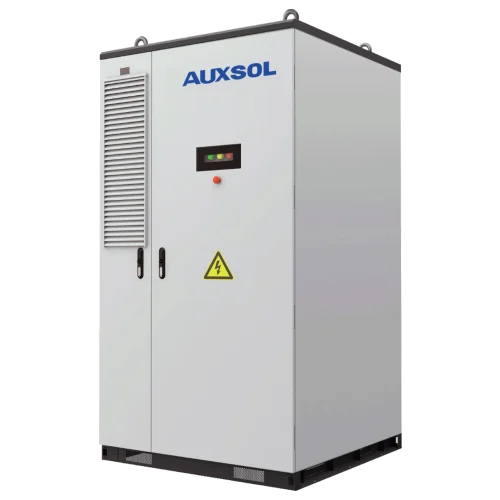
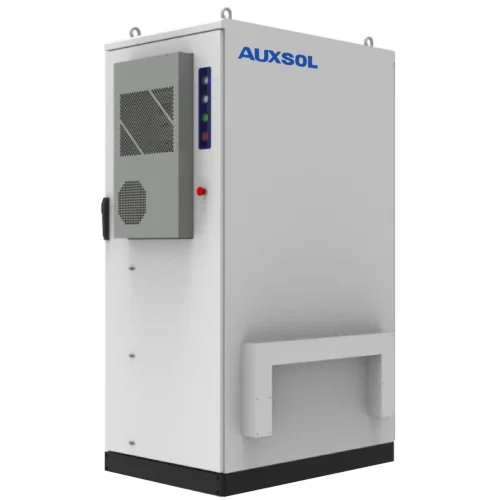
Energy storage systems: modular or containerized storage systems for larger projects, built on LFP technology and advanced thermal management.
Suppliers that cover these segments can often support a broader variety of use cases.
Technical Features and Performance
Technical characteristics help distinguish professional suppliers.
Areas that are commonly evaluated:
-
Efficiency: maximum efficiencies up to about 98.6% for three-phase on-grid models support reduced conversion losses and better overall system performance.
-
DC side flexibility: support for DC oversizing and high string currents enables efficient use of roof space and compatibility with large-format modules.
-
Protection and monitoring: features such as IP66 enclosures, AFCI, DC/AC surge protection, insulation monitoring, and string-level diagnostics contribute to
safe, reliable operation and easier maintenance.
These parameters can serve as objective comparison points between different suppliers.
Certifications and Readiness for International Markets
For overseas projects, certification status is a central concern.
Key points include:
-
Grid and safety standards: for Europe, important references are EN 50549-1, VDE-AR-N 4105, NC RfG, and international standards such as IEC 61727, IEC 62116, and
IEC 61683.
-
Safety and EMC: standards like IEC 62109 and EN 61000 series cover safety and electromagnetic compatibility requirements.
Project teams should verify that specific inverter models hold the relevant certifications for the target country and utility.
Service Network and Local Support
Service capabilities often differentiate suppliers with similar technical offerings.
Areas to examine:
-
Overseas service centers: some suppliers, such as AUXSOL, have established customer service centers in regions like Brazil, Germany, and Poland to support local markets.
-
Documentation and digital support: clear datasheets, installation manuals, and monitoring platforms help partners design, commission, and operate systems effectively.
-
Cooperation with local partners: close collaboration with local EPCs and installers combines product expertise with local knowledge.
For long-lived assets such as PV systems, this support structure can be as important as the hardware itself.
When evaluating potential suppliers, you might consider:
-
Company history and group background.
-
Product coverage for your main segments (for example, 10–30 kW systems in Germany and Poland).
-
Availability of current certifications for the relevant grid codes and markets.
-
Technical features such as efficiency, DC/AC ratios, protection, and monitoring.
-
Presence of regional service centers and digital support tools.
Using this checklist can help identify China-based inverter partners whose solutions and capabilities align with your project portfolio. AUXSOL is one example of such a supplier, and
its product and solution information can be used as a reference when planning PV and storage projects.



 Essential cookies


SL正视图.png!thumb500)
TL-正视图.png!thumb500)
TL-正视图.png!thumb500)