Businesses worldwide are ditching fossil fuels for solar power—great for the planet, and your bottom line! But let’s be real: navigating commercial and industrial solar inverter pricing can feel like trying to solve a puzzle with missing pieces. Between string inverters, central inverters, and a zillion other options, it’s way too easy to either overspend or end up with a model that’s totally mismatched to your project. Sound familiar?
Lucky for you, this guide is here to demystify commercial and industrial solar inverter prices—no jargon, no head-scratching. We’ll break down the common pain points and give you actionable tips to make smart, cost-effective choices. Whether you’re kitting out a small rooftop for your café or a massive solar farm, understanding these pricing tricks will help you max out your ROI.
What Is the Average C&I Solar Inverter Price in 2026?
For small-to-medium projects (10kW–100kW)—think your local bakery or office building—string inverters, the most popular and budget-friendly pick, range from $3,000 to $18,000. Mid-range systems (100kW–250kW) sit between $4,500 and $56,000, depending on if you go basic or splurge on a hybrid model with storage.
For big-time projects (250kW+), like a warehouse or utility-scale solar farm, central inverters are the name of the game. Prices start at $6,000 and go up to $9,000+ for high-power models (350kW–500kW).
Key Factors That Affect C&I Solar Inverter Pricing
Want to avoid surprise bills and pick the right inverter? You need to know what’s driving those prices. Here are the biggest factors:
1. Power Output (Size)
Power output is the MVP of pricing—plain and simple. Your inverter needs to match your solar panel array’s capacity: too small, and you’re leaving energy (and money!) on the table; too big, and you’re paying for a fancy machine you don’t need. For example, a 10kW string inverter for a tiny retail shop is around $3,000, while a 350kW central inverter for a huge warehouse? That’ll set you back over $6,500.
2. Inverter Type
Different inverters are like different tools in a toolbox—each has a job, and the price reflects how fancy or functional it is. Here’s the lowdown:
-
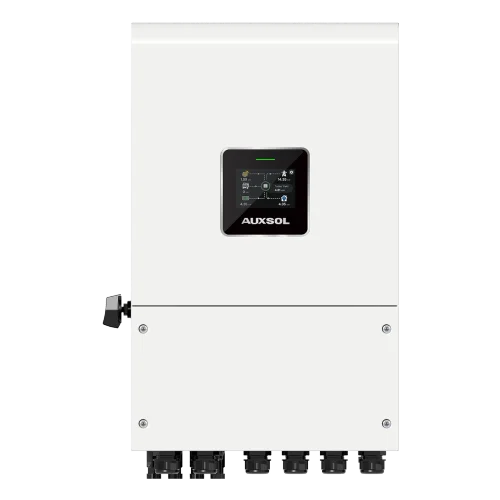
String Inverters: The budget-friendly hero. Perfect for small-to-medium projects—they hook up multiple panels in a “string” and get the job done without breaking the bank.
-
Microinverters: A bit pricier upfront, but total lifesavers if your roof has lots of shade or a weird layout. They let you monitor each panel individually—no more guessing which one’s slacking.
-
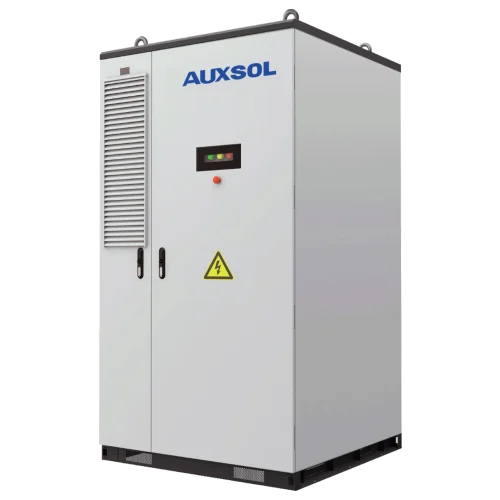
Central Inverters: The heavyweights. Built for large-scale projects, they handle power from hundreds of panels.
3. Technology & Components
Fancy tech = fancy price tag. Take silicon carbide modules, for example—they boost efficiency up to 99%, but cost 30% more than old-school IGBT modules. But here’s the kicker: SiC inverters lose way less energy over time, so they’re worth it if you live in a sunny area. Bonus features like 5G connectivity, smart monitoring, or anti-PID protection add 10–15% to the price, but they’ll keep your system running smoothly for longer.
Why Buying the Cheapest C&I Solar Inverter Is a Bad Idea?
We get it—everyone loves a good deal! But skimping on your commercial and industrial solar inverter is like buying cheap shoes: they’ll fall apart fast and cost you more in the long run. Budget models often use shoddy parts, which means lower efficiency and shorter lifespans.
On top of that, cheap inverters often skip critical features like surge protection or smart monitoring. They might also fail to meet regional safety standards, which can lead to project delays, fines, or even electrical fires. Not exactly the “savings” you were hoping for. Investing in a reputable mid-range inverter will pay off over the system’s 25-year lifespan—trust us.
How to Save Money on C&I Solar Inverters?
Saving money doesn’t mean settling for a dud. Here are our top hacks to get the best bang for your buck:
1. Match Inverter Size to Your Project’s Actual Needs
First, do a deep dive into your business’s energy use. Work with a solar installer to size your inverter perfectly to your panel array. No over-sizing! A 200kW array doesn’t need a 250kW inverter—going with the right size will save you ~$2,000–$3,000. That’s extra cash for coffee or more solar panels—your call.
2. Leverage Bulk Purchasing & Long-Term Contracts
Got multiple projects or a big installation? Buy in bulk! Most manufacturers offer 10–15% discounts for orders of 5+ inverters. You can also lock in pricing with a long-term supply contract—perfect for avoiding those annoying price hikes from raw material shortages or tariffs. It’s like buying in bulk at the grocery store, but for solar gear.
3. Choose Inverters with High Efficiency Ratings
High-efficiency inverters cost a bit more upfront, but they’re total money-savers in the long run. They turn more sunlight into usable energy, so you’ll rely less on the grid. Over 25 years, an efficient inverter can save you $10,000+ on electricity bills. Just make sure to look for certifications—no fake efficiency claims here!
4. Explore Financing & Incentive Programs
Governments and utilities love businesses that go solar—so take advantage of their perks! The US Investment Tax Credit covers 30% of your solar system costs, including inverters. There are also rebates, low-interest loans, and even power purchase agreements from energy companies that let you skip upfront costs entirely. It’s free money for going green—don’t leave it on the table.
When Should You Invest in a Hybrid C&I Solar Inverter?
Hybrid inverters are pricier than standard models, but they’re worth it in certain cases. If you’re stuck with sky-high peak-hour electricity rates, deal with frequent power outages, or live in an area with a spotty grid, a hybrid inverter is your best friend. It stores excess solar energy for when you need it most, cutting your grid electricity costs by 20–30%. For businesses with time-of-use pricing, this can shave 1–2 years off your ROI period. Cha-ching!
How to Get an Accurate C&I Solar Inverter Price Quote?
Want a quote that’s accurate? Follow these simple steps:
-
Gather your project deets: How big is your solar array? How much power do you need? Where’s the project located? Do you want storage?
-
Research reliable manufacturers: Look for brands with a good track record in C&I projects and certifications that match your region.
-
Reach out to 3–5 manufacturers or installers: Share your project details and ask for a clear quote that includes the inverter cost, installation fees, and warranty info.
-
Compare quotes: Don’t just pick the cheapest one. Look at efficiency, warranty length, and after-sales support. You want a partner, not just a product.
Pro tip: The lowest quote isn’t always the winner. Prioritize value over price—you’ll thank yourself when your inverter runs smoothly for 20+ years.
Wrapping Up
At the end of the day, commercial and industrial solar inverter prices boil down to power output, type, tech, and where you’re buying from. It’s easy to get distracted by upfront costs, but investing in a quality, properly sized inverter will save you tons of money and headaches over time. By understanding what drives prices and using our money-saving hacks, you’ll make a decision that’s good for your business and the planet.
Ready to get a quote for your project? Fill out our contact form today—our team of solar experts will help you pick the ideal inverter and give you a transparent, no-obligation estimate. Let’s make your solar journey stress-free!




 Essential cookies


SL正视图.png!thumb500)
TL-正视图.png!thumb500)
TL-正视图.png!thumb500)