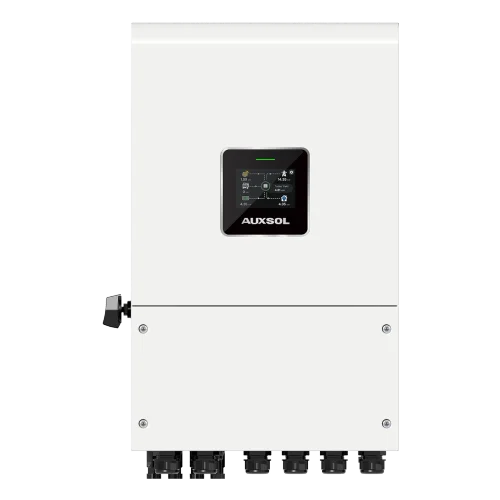
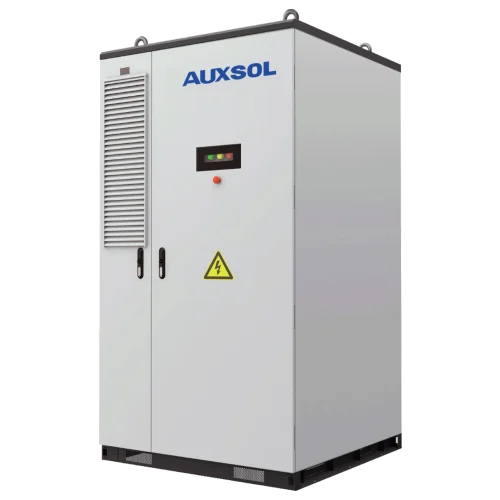
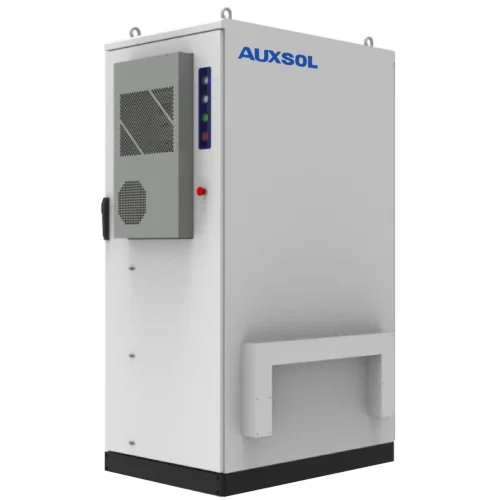
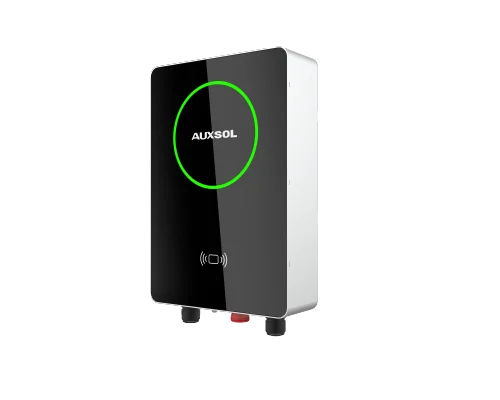
For many homeowners and C&I users, a hybrid inverter has become the core of a flexible PV and energy storage system. It connects PV modules, batteries, loads, and the grid, helping users balance self-consumption, backup power, and grid interaction in one compact device. Instead of looking at power rating alone, it is important to understand the set of features that together define a high-quality hybrid inverter.
The Role of Hybrid Inverters in PV + Storage
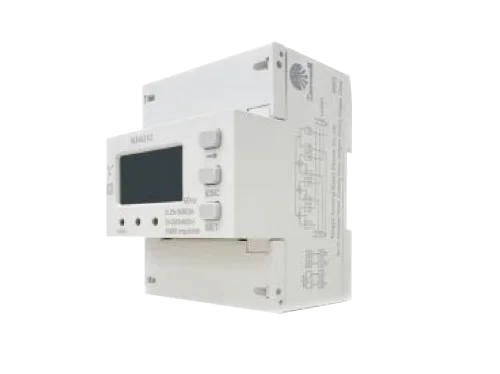
A hybrid inverter manages the energy flow between PV, batteries, household or C&I loads, and the public grid. In a typical one-stop home energy management diagram, the system includes PV panels, a hybrid inverter, a battery pack, a smart meter, a utility meter, and a grid connection, with intelligent control provided by an energy management system.
In the daytime, the hybrid inverter prioritizes supplying local loads, then charges the battery, and finally exports surplus energy to the grid when permitted. At night or during grid outages, the inverter discharges the battery to support critical loads, keeping key circuits running even when the grid is down.
Safety and Reliability as a Foundation
Safety and long-term reliability are essential for any high-quality hybrid inverter. Key aspects include:
Professional hybrid inverters integrate DC reverse-polarity protection, anti-islanding protection, short-circuit protection, output over-current protection, DC and AC surge protection, insulation resistance detection, ground-fault monitoring, and residual leakage current detection. These layers of protection help the system operate within safe limits in daily use.
Hybrid inverters designed for lithium iron phosphate (LFP) battery systems often support CAN or RS485 communication and self-adaptive charging strategies with the battery management system. This coordination ensures proper charging, discharging, and protection of the battery pack over many cycles.
IP66 protection, wide operating temperature ranges, and appropriate altitude ratings allow the inverter to work reliably outdoors and in challenging environments. This is especially important for wall-mounted outdoor installations.
When these features are thoughtfully combined, the hybrid inverter can run for many years with stable performance and reduced risk of unexpected failures.
Efficiency and Performance
Efficiency and performance directly affect the usable energy yield of a PV + storage system.
AUXSOL hybrid inverters utilize advanced control algorithms and efficient power architectures to approach the efficiency levels of high-performance on-grid inverters. This helps reduce conversion losses in both PV-to-AC and PV-to-battery paths.
A wide MPPT voltage range gives designers flexibility for string design, allowing them to adapt to different module types, roof layouts, and climates while keeping the inverter operating in a high-efficiency region.
Many AUXSOL hybrid inverters support string currents up to 16 A or even 20 A, making them compatible with modern 182 mm and 210 mm large-format high power modules. This compatibility is important for maximizing energy harvest in today’s PV systems.
Support for DC oversizing (for example, 1.5× DC over AC rating) enables the PV array to deliver more energy in the morning, afternoon, or under diffuse light, improving the utilization of the inverter.
Taken together, these features help hybrid inverters deliver efficient energy management rather than acting only as a simple conversion device.
Fast Backup and Stable Power for Important Loads
A high-quality hybrid inverter should support smooth backup operation in case of grid interruptions.
AUXSOL hybrid inverters for residential and small C&I applications can achieve transfer times on the order of 10 ms between grid and backup mode. This helps keep sensitive loads such as lighting, IT equipment, and small appliances running without noticeable interruption.
Systems typically provide dedicated backup outputs, allowing installers to separate critical loads from general loads. In this way, battery capacity can be reserved for the circuits that matter most during an outage.
Proper design of battery capacity, inverter rating, and load priorities ensures that backup operation is reliable and predictable, instead of relying on short-term surge performance alone.
For users in areas with unstable grids or frequent outages, these functions are a key part of the value of a hybrid inverter.
Smart Energy Management and Monitoring
Intelligence is a defining feature of modern hybrid inverters.
A hybrid system can analyze PV generation, consumption patterns, and tariffs to schedule battery charging and discharging more intelligently. This helps users improve self-consumption and adapt to time-of-use pricing where available.
AUXSOL hybrid inverters support remote diagnosis and firmware updates, enabling continuous optimization and efficient troubleshooting over their lifetime.
Typical communication options include RS485, WiFi, 4G, LAN, and cloud connectivity, along with local apps for smartphones and web portals. This allows installers and users to monitor key parameters such as PV production, battery state of charge, load consumption, and grid interaction in real time.
With these tools, a hybrid inverter becomes an active component of a digital energy management system rather than a “black box” on the wall.
Scalable Solutions for Different Scenarios
High-quality hybrid inverters should adapt to different project sizes and application scenarios.
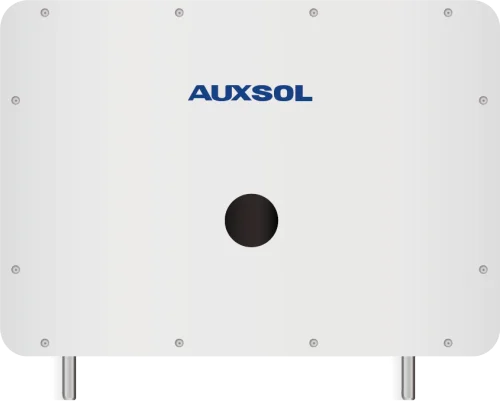
AUXSOL offers single-phase hybrid inverters in the 3.6–6 kW range, which can be paired with low-voltage or high-voltage battery packs to create flexible home storage solutions. This configuration suits many households that wish to combine PV self-consumption with backup power.
Three-phase hybrid inverters from 5 kW up to 20 kW provide a path for small commercial and light industrial users to integrate PV and storage. These systems can help manage peak demand and provide backup support for important loads.
Matching hybrid inverters with modular battery systems allows capacity to be expanded over time, aligning investment with actual energy needs.
This scalability makes hybrid solutions suitable for a wide range of scenarios, from new installations to gradual upgrades of existing PV systems.
The Value of a Professional Manufacturer
Hybrid inverters are complex devices that combine power electronics, control algorithms, communication, and battery interfaces. AUXSOL, a subsidiary of Sanxing Electric Ningbo, under AUX Group (est. 1986), focuses on the research, development, production, and service of PV on-grid inverters, hybrid inverters, battery packs, and energy storage systems.
The company operates multiple R&D centers and certified laboratories, and its products hold international certifications such as EN 50549-1, IEC 62109, IEC 61727, and others, aligned with the needs of global PV markets. For users and partners, this background translates into reliable product quality, evolving software functions, and professional technical support.




 Essential cookies


SL正视图.png!thumb500)
TL-正视图.png!thumb500)
TL-正视图.png!thumb500)