In the world of power conversion, choosing the right inverter voltage grade is important to ensuring system efficiency, cost-effectiveness, and long-term reliability. For businesses and project operators working with large-scale energy systems—from utility-scale solar farms to heavy machinery—high voltage power inverters have emerged as the preferred solution to address high-power demands. But how do you know when to choose a high voltage power inverter over a low-voltage alternative? This guide breaks down the key scenarios, principles, and benefits, helping you make an informed decision tailored to your specific application.
What Is a High Voltage Power Inverter?
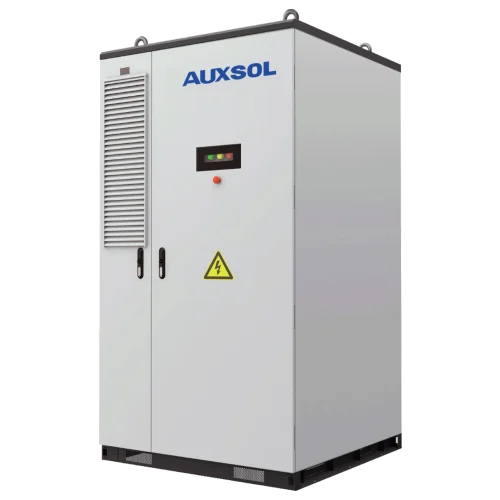
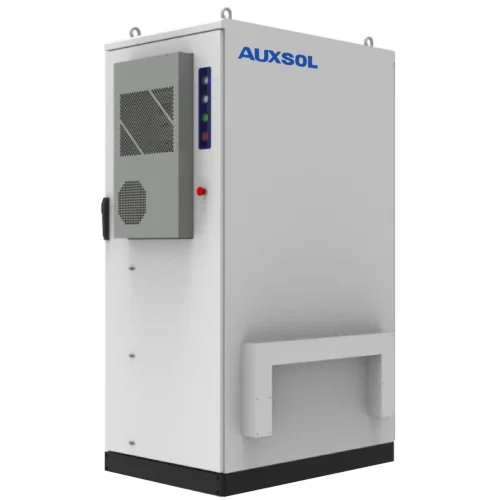
Before diving into when to use a high-voltage power inverter, it’s essential to define what sets it apart from low-voltage models. A high-voltage power inverter is a specialized power electronic device designed to convert direct current (DC) from high-voltage sources—such as solar panels, wind turbines, or battery storage systems—into alternating current (AC) at high-voltage levels. Typically, high voltage inverters are classified by a DC input voltage of ≥600V (common grades include 800V, 1000V, and 1500V) and an AC output of 480Vac or higher, making them ideal for large-scale, high-power applications.
Unlike low-voltage inverters (which handle DC input <600V and output 220V/380VAC for residential or small commercial and industrial use), high-voltage models are engineered to minimize energy loss, support larger loads, and integrate seamlessly with medium-to-high voltage power grids.
How Does a High-Voltage Power Inverter Work?
Understanding the working principle of a high-voltage power inverter helps clarify why it’s the right choice for specific scenarios. The core function of any inverter is to convert DC power (from renewable sources or batteries) into usable AC power, but high voltage models incorporate specialized technology to handle higher voltage and power levels:
-
DC Input Stage: The inverter receives high-voltage DC power from sources like solar arrays (1500V DC systems are increasingly mainstream in large solar farms) or wind turbines.
-
Conversion Process: Using pulse width modulation (PWM) technology, the inverter’s internal semiconductor components (IGBT/MOSFET) rapidly switch the DC current to generate a high-voltage AC output with stable frequency and waveform. This process minimizes harmonic distortion (total harmonic distortion <3%) and ensures compatibility with commercial and industrial equipment and power grids.
-
Grid Integration & Protection: High-voltage power inverters include built-in grid synchronization technology, allowing seamless connection to 10kV medium-voltage grids.
For businesses, this means a reliable, efficient conversion process that reduces downtime and operational costs—especially in energy-intensive applications.
Why Choose a High Voltage Power Inverter? Key Benefits
The decision to use a high-voltage power inverter hinges on its unique advantages over low-voltage alternatives, particularly for large-scale or high-power applications. Here are the top reasons to choose a high voltage model:
-
Lower Energy Loss: High voltage reduces current flow (per the P=I²R principle), cutting line losses by 3-5% compared to low voltage systems. For a 10MW solar farm, this translates to annual energy savings of over $200,000 and a 15% reduction in long-term energy costs.
-
Cost Savings on Infrastructure: Higher voltage allows for thinner, lighter cables, reducing cabling costs by up to 40% in large-scale projects. A 1MW solar farm using 1500V inverters, for example, requires 30% fewer cables than a 600V setup.
-
Scalability for Large Loads: High voltage inverters handle higher power ratings (up to MW levels), making them ideal for commercial and industrial machinery, utility-scale renewable projects, and microgrids. They support longer string designs (up to 30 solar modules per string), simplifying system expansion.
-
Reduced Maintenance: High voltage power inverters feature durable designs with a lower failure rate in large-scale systems, reducing maintenance costs by 30% compared to low voltage models.
When to Use a High Voltage Power Inverter: Key Scenarios
Now that we’ve covered the what, how, and why, let’s focus on the question: when should you use a high-voltage power inverter? Below are the most common scenarios where high voltage models are the optimal choice, supported by real-world applications:
1. Utility-Scale Solar & Wind Farms (10MW+)
Utility-scale renewable energy projects (10MW and above) are the primary use case for high-voltage power inverters. These projects require efficient conversion of large amounts of DC power from solar arrays or wind turbines into AC power for grid distribution.
2. Manufacturing & Heavy Machinery
Energy-intensive sectors—including manufacturing, petroleum, chemical, and metallurgy—rely on high voltage power inverters to power heavy machinery (e.g., CNC machines, motors, compressors). High voltage models stabilize voltage fluctuations, reduce downtime, and cut energy waste by 15-25%.
3. Commercial & Industrial Microgrids
Commercial and industrial parks, and remote facilities (e.g., mining sites, data centers) often use microgrids to ensure energy resilience. High-voltage power inverters are important for integrating renewable energy (solar/wind) into these microgrids, providing stable power and reducing reliance on the main grid. They also pair seamlessly with energy storage systems to balance supply and demand, ensuring uninterrupted power for mission-critical operations.
4. Remote & Off-Grid Power Systems
Remote locations (e.g., rural communities, disaster relief sites, offshore platforms) where grid connection is impractical rely on off-grid power systems. High-voltage power inverters, paired with solar panels and battery storage, provide reliable AC power for homes, facilities, and emergency equipment. They operate independently of the grid, supporting energy autonomy and resilience, even in harsh environments.
When Not to Use a High-Voltage Power Inverter
While high-voltage power inverters excel in large-scale applications, they are not always the ideal choice. Low voltage inverters (DC input <600V) are more suitable for small-scale scenarios, such as:
-
Residential solar systems (10kW or less), where safety and ease of installation (with simpler installation requirements) are priorities.
-
Small off-grid systems (e.g., RVs, camping, small cabins) that use 48V battery packs.
-
Low-power devices (e.g., household appliances, small electronics) that only require 220V/380VAC output.
Using a high-voltage power inverter for these small-scale applications would increase initial costs unnecessarily, as high-voltage models require specialized transformers and installation expertise.
FAQs About High Voltage Power Inverters
Q: Can existing industrial equipment be upgraded to use high-voltage power inverters?
A: Many modern equipment can be upgraded, though retrofitting requirements vary by application to work with high voltage inverters, making it a cost-effective way to improve efficiency.
Q: How do high-voltage power inverters support sustainability?
A: By reducing energy loss and integrating renewable energy sources, high voltage inverters help businesses cut CO2 emissions by 15% annually, supporting sustainability goals.
Q: What is the typical lifespan of a high-voltage power inverter?
A: High voltage power inverters have a lifespan of 15-20 years, with low maintenance requirements and robust designs to withstand harsh environments.




 Essential cookies


SL正视图.png!thumb500)
TL-正视图.png!thumb500)
TL-正视图.png!thumb500)