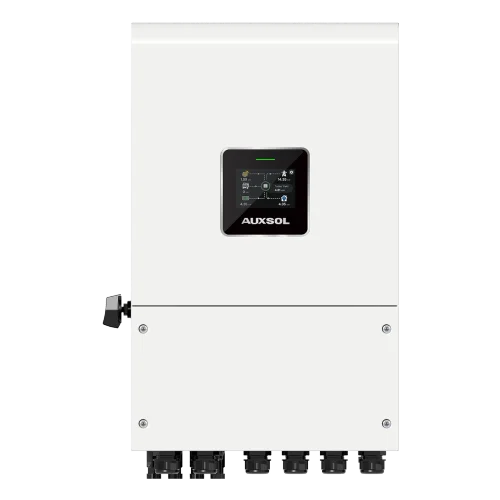
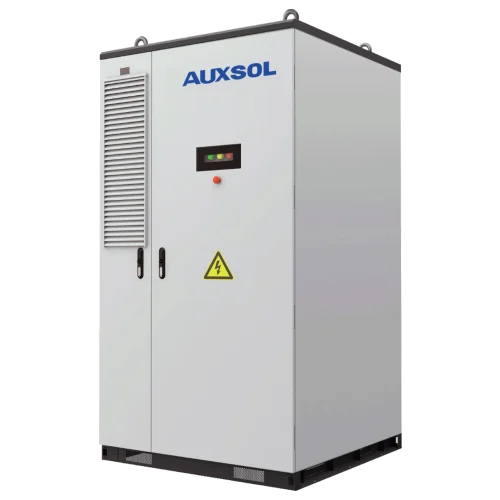
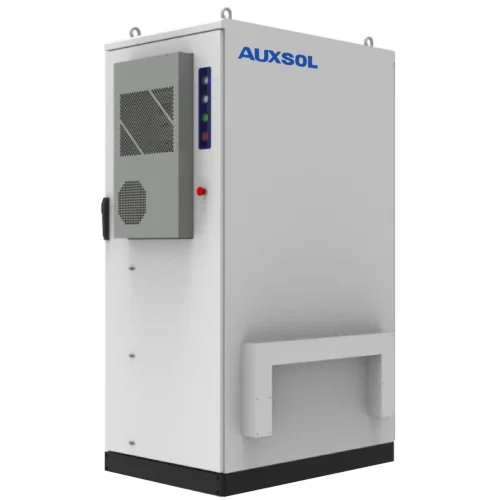
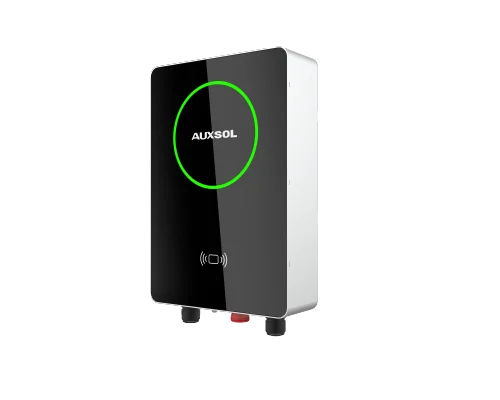
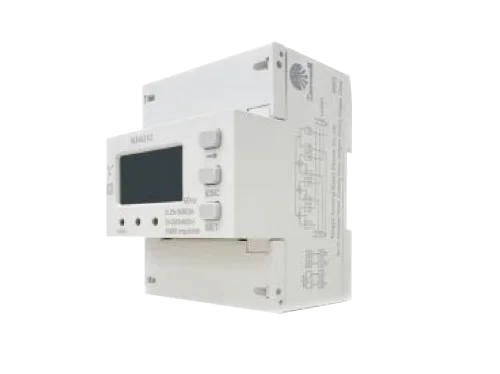
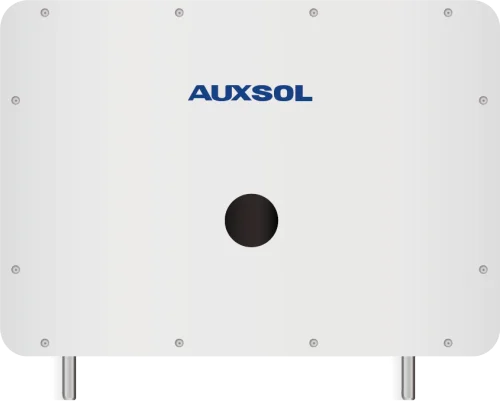
Investing in solar energy is a smart step toward sustainability and long-term energy stability, but the success of your system hinges on one important component: the PV inverter. Often called the "heart" of a photovoltaic system, the inverter converts the direct current (DC) produced by solar panels into alternating current (AC) that powers your home, business, or appliances. With a variety of types, sizes, and features available, choosing the right inverter can feel overwhelming—but it doesn’t have to be. This guide breaks down the key considerations to help you make an informed decision tailored to your unique needs.
Start with Your Core Needs: Define the Application Scenario
The first step in choosing a PV inverter is to clarify how and where your solar system will operate. Different use cases demand different inverter capabilities, so start by asking these key questions:
Are You Connected to the Grid or Off-Grid?
-
Grid-tied systems: If your property is connected to the public power grid, an on-grid inverter is the most common choice. These inverters work in parallel with the grid, allowing you to use solar energy directly while feeding surplus power back to the utility (often earning energy credits through net metering programs). They automatically shut down during grid outages for safety (a feature called anti-islanding protection) and are ideal for homes or businesses looking to reduce electricity costs without needing full energy independence.
-
Off-grid systems: For remote locations without grid access—such as rural properties, boats, or motorhomes—an off-grid inverter is essential. These systems rely on battery banks to store solar energy, and the inverter converts DC power from panels and batteries to AC for immediate use. Off-grid inverters must provide stable power even without grid reference, making them a reliable choice for those seeking complete energy autonomy.
What’s Your System Scale?
-
Residential projects: Small to medium-sized homes typically work well with string inverters (cost-effective for uniform sun exposure). Most average family homes require a 5kW–7kW inverter, while small apartments or tiny homes may only need 1.5kW–3kW.
-
C&I projects: Larger installations, such as warehouses or solar farms, benefit from central inverters (high-power units that handle hundreds of kilowatts to megawatts) or multiple string inverters. Central inverters offer economies of scale and simplified maintenance for large-scale operations.
Key Technical Factors to Evaluate
Once you’ve defined your application, dive into the technical details that will impact performance and longevity.
-
Sizing: Match Capacity to Your Panels and Usage
Choosing the right inverter size is crucial—too small, and it will limit your system’s output; too large, and it may operate inefficiently.
-
Ideally, the inverter’s capacity should align closely with your solar panel array’s total power.
-
Many manufacturers allow 15%–30% DC oversizing, meaning your panels can have slightly more power than the inverter to maximize generation during peak sunlight hours within safe operating limits.
-
Consider future expansion: If you plan to add more panels later, opt for a slightly larger inverter or one with multiple Maximum Power Point Trackers (MPPTs) to accommodate additional strings.
-
Efficiency: Maximize Solar Energy Utilization
Inverter efficiency refers to how well it converts DC to AC—higher efficiency means less energy loss. Most modern inverters have European efficiency ratings up to 98.6%, and even a 1% difference can add up over 25 years of system life.
-
Look for inverters with MPPT technology, which optimizes power extraction from panels by adjusting voltage and current in real time—critical for handling variable sunlight, temperature changes, or partial shading.
-
Pay attention to standby consumption (typically under 5W,with premium models under 1W), as low standby power helps preserve energy during nighttime or low-light conditions.
-
Reliability and Durability
A quality inverter should withstand the elements and operate consistently for years.
-
Check for industry certifications to ensure compliance with safety and performance standards.
-
Consider environmental resilience: Look for weatherproof ratings (IP65 or higher) for outdoor installation, and verify the operating temperature range (most reliable models work from -25°C to +60°C or wider).
-
Opt for inverters with robust cooling systems—passive cooling (natural convection) or variable-speed fans—to prevent overheating, which can shorten lifespan.
-
Warranty and Technical Support
Inverters typically have shorter lifespans than solar panels, so a strong warranty is essential.
-
Standard warranties range from 5–10 years, with some premium brands offering extensions up to 15 years.
-
Prioritize manufacturers with local technical support and easy access to spare parts—delays in repairs can lead to lost energy production. Reputable brands often have established service networks to ensure timely assistance.
Additional Features to Enhance Your Experience
Modern inverters offer extra functionalities that can simplify management and improve convenience:
-
Remote monitoring: Many models come with smartphone apps or web platforms to track real-time energy production, consumption, and system health. This allows you to identify issues early and optimize usage.
-
Battery compatibility: If you’re considering storage (now or later), ensure your inverter works with your preferred battery type (lithium-ion, lead-acid, etc.). Hybrid inverters are specifically designed for seamless battery integration.
-
Safety features: Beyond anti-islanding protection, look for overload, overheating, and surge protection to safeguard your system and property.
Balancing Cost and Value
While budget is a key consideration, the cheapest inverter isn’t always the best choice. Consider long-term value: a slightly more expensive, high-quality inverter may save money over time through better efficiency, fewer repairs, and a longer lifespan.
-
Mid-range and premium inverters often offer better monitoring, longer warranties, and more flexible design options—worth the investment for many homeowners and businesses.
-
Compare quotes from reliable suppliers, and factor in potential energy savings from a more efficient model over 10–15 years.
Final Tips for Success
-
Consult a solar professional: An experienced installer can assess your specific needs, size your system correctly, and recommend models that have performed well in similar installations.
-
Avoid unbranded or poorly reviewed inverters: Even if they’re cheap, they may lack certification, reliable support, or durability—costing you more in the long run.
-
Plan for maintenance: While inverters are low-maintenance, annual visual checks (cleaning dust from vents, inspecting cables) can extend their life. Follow the manufacturer’s guidelines for firmware updates and servicing.
Choosing the right PV inverter is about aligning technology with your goals—whether that’s cost savings, energy independence, or reliability. By focusing on your application, technical performance, and long-term value, you’ll select an inverter that maximizes your solar investment and provides peace of mind for years to come.




 Essential cookies


SL正视图.png!thumb500)
TL-正视图.png!thumb500)
TL-正视图.png!thumb500)