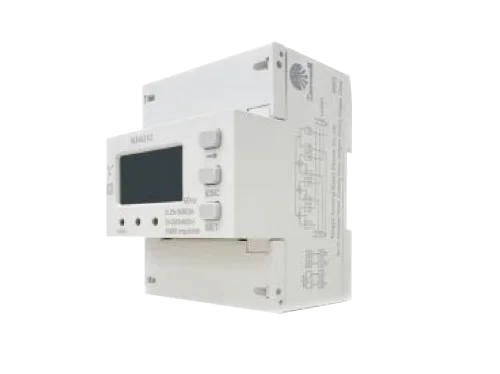
Why Choosing the Right Inverter for 3 Phase Installation Matters
Three-phase grid connections are common in small businesses and in many homes with higher electrical demand. An inverter designed for a 3-phase installation can help balance loads, support higher PV capacity, and align with local grid codes. Understanding the main selection and installation considerations makes it easier to design robust PV systems.
Why 3 Phase Is Often Preferred
Three-phase installations have several advantages in PV applications:
-
Better load balancing: a three-phase inverter distributes PV power across all three phases, which helps maintain more even phase currents in the building’s electrical system.
-
Higher supported power: three-phase connections typically allow larger PV systems and higher combined loads such as EV chargers and heat pumps.
-
Alignment with local regulations: Many European grid codes encourage or require a three-phase connection above certain system sizes for grid stability reasons.
For these reasons, three-phase inverters are widely used in larger residential and C&I rooftop systems.
Key Parameters When Selecting an Inverter for 3-Phase Installation
Several technical parameters are important when choosing a three-phase inverter.
-
Power range
-
5–25 kW for larger homes and small C&I sites.
-
30–40 kW, 50–80 kW, and 70–110 kW for C&I rooftops.
-
250–350 kW for larger C&I and utility-related applications.
Choosing appropriate power classes and combining multiple units can help match site capacity and layout.
-
Voltage level and grid standard
Systems often use 220V/380V or 230V/400V three-phase networks with neutral. The inverter should be compatible with the local voltage standard and grid connection rules.
-
Efficiency and DC/AC oversizing
Maximum efficiencies up to 98.6% help reduce conversion losses. Support for DC/AC oversizing, for example, around 1.5 times, can improve annual energy yield by using more PV capacity per inverter.
-
MPPT channels and string capability
Multiple MPPTs and high allowable string currents (for example, up to 20 A) can make it easier to design flexible string layouts with modern high-power modules.
Installation Considerations on the DC Side
On the PV side, design should respect inverter limits while maximizing performance.
-
String length and voltage: string voltages must stay within the inverter’s MPPT range and absolute maximum voltage under all seasonal conditions.
-
Use of multiple MPPTs: grouping modules with similar orientation and shading on the same MPPT can help maintain good energy harvest.
-
DC protection and wiring: DC cables, fuses or breakers, and surge protection devices should be sized according to inverter current ratings and local standards.
These steps support safe and efficient operation on the PV side of the system.
Installation Considerations on the AC Side
On the grid side, integration with the three-phase distribution system is equally important.
-
Connection point: three-phase inverters should connect to a point in the distribution board that can accommodate the expected continuous current and fault levels.
-
Cable sizing: AC cable cross-sections need to account for current, length, voltage drop, and permissible temperature rise.
-
Protection devices: breakers, residual current protection, and AC surge protection should be selected in line with inverter specifications and national regulations.
Correct AC design helps ensure that the PV system interacts safely with the grid.
Grid Codes and Parameter Settings
-
Certifications: products intended for European markets typically adhere to standards such as EN 50549-1, IEC 61727, IEC 62116, IEC 61683, VDE-AR-N 4105, NC RfG, and others, depending on the target country.
-
Configurable behavior: parameters for power factor, active power export limits, and grid support behavior are usually configurable via local interfaces or remote tools.
Checking that selected inverters support the required standards and settings can reduce delays in grid connection.
Monitoring and O&M for Three-Phase Systems
Monitoring and maintenance are important for both residential and C&I three-phase systems.
-
Communication interfaces: RS485 is often standard, with optional WiFi, 4G, and LAN connections to support integration with monitoring platforms and building systems.
-
String-level monitoring and diagnostics, such as IV curve scanning and string monitoring, can help identify issues quickly, improving system availability.
-
Fleet management: for sites with multiple inverters, cloud platforms can support performance comparisons and centralized configuration.
These capabilities support efficient long-term operation.
Using AUXSOL Three-Phase Inverters as a Reference
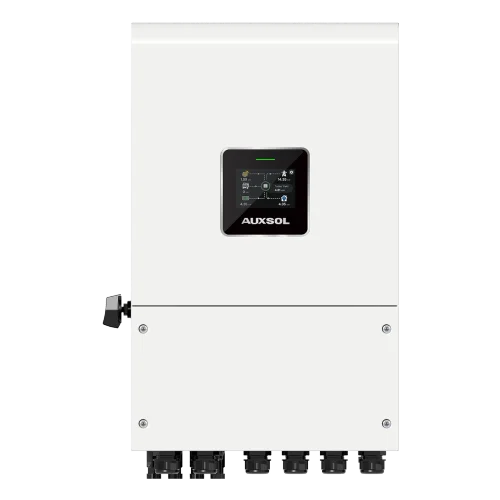
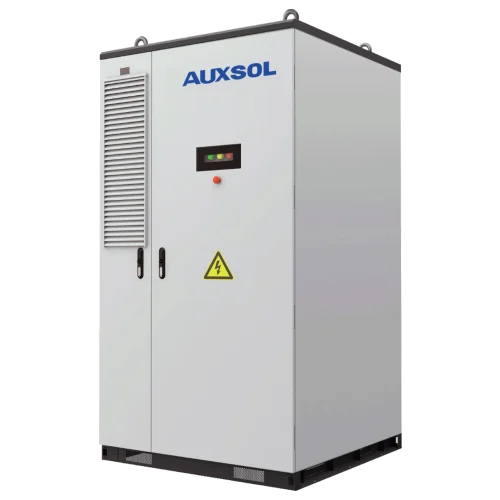
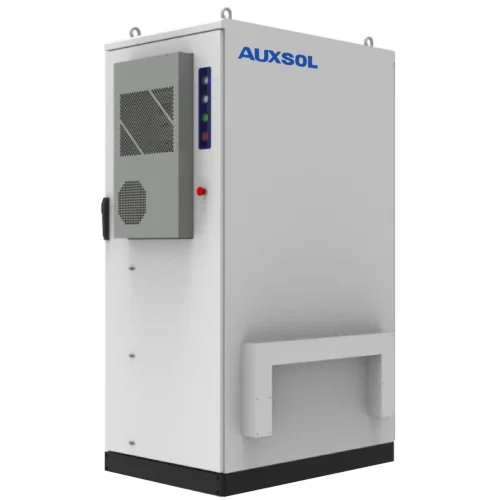
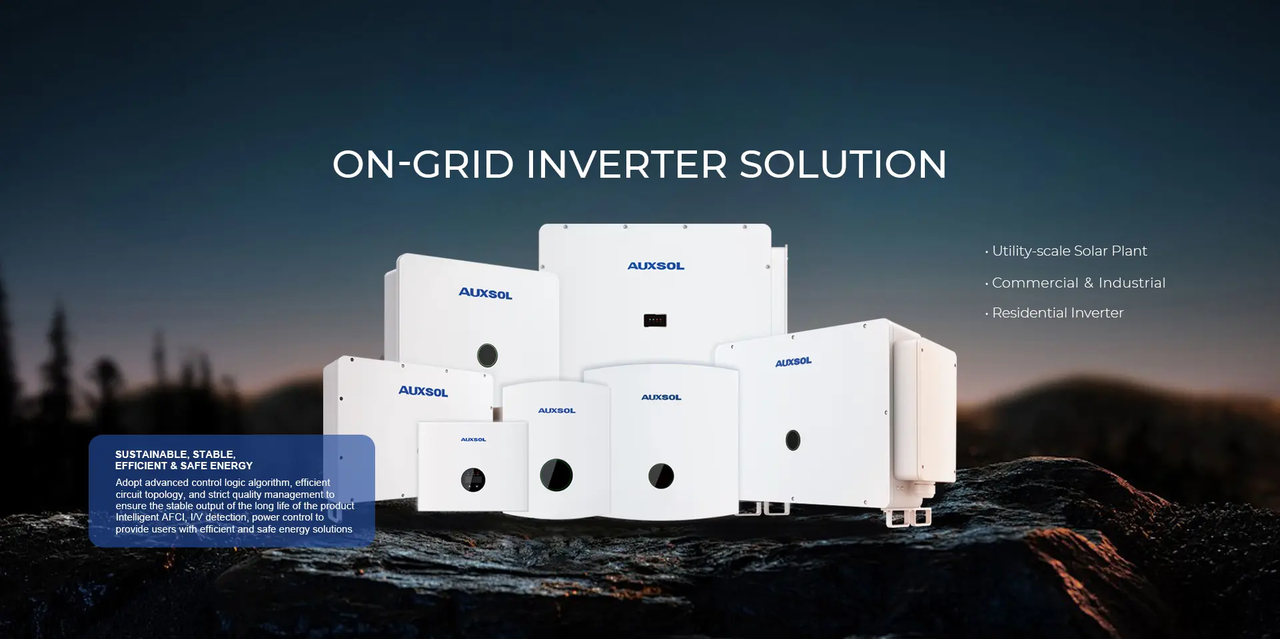
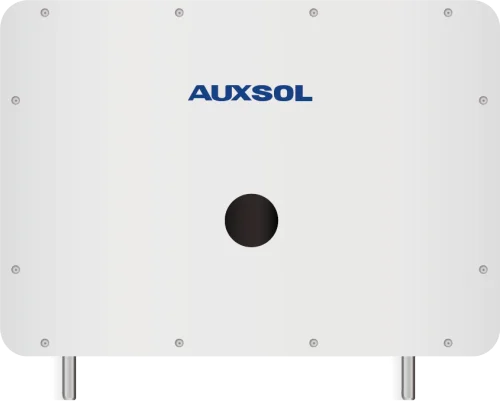
When planning inverters for 3-phase installation, it can be helpful to look at established three-phase portfolios as a reference. AUXSOL’s three-phase on-grid range includes 5–25 kW models for residential and small C&I use, 30–40 kW, 50–80 kW, and 70–110 kW units for larger C&I systems, and 250–350 kW high-voltage inverters for bigger applications.
All are designed with wide MPPT ranges, high string current capability, and international certifications, offering multiple options for three-phase projects. Designers can use this range as an example when defining their own system topologies and specifications.




 Essential cookies


SL正视图.png!thumb500)
TL-正视图.png!thumb500)
TL-正视图.png!thumb500)