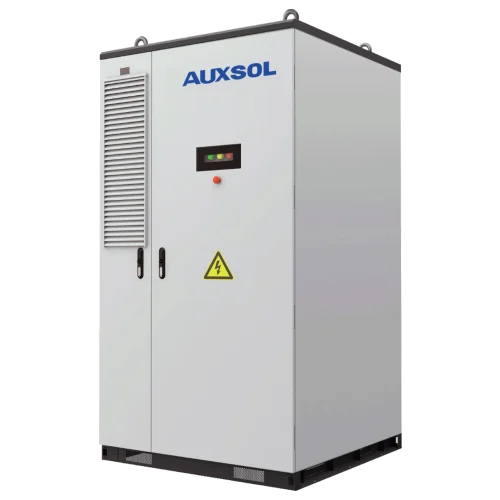
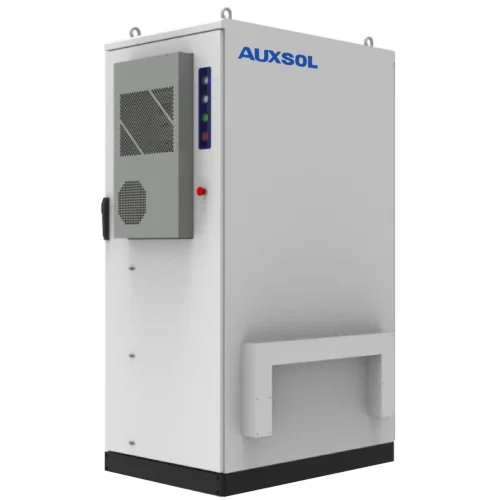
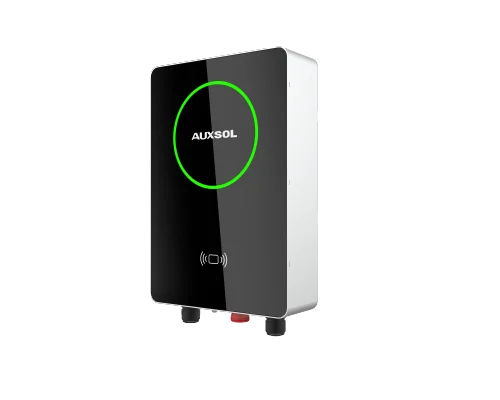
Off-grid PV inverters are essential for converting solar DC power into usable AC electricity in standalone solar systems. As a professional inverter manufacturer, I'll break down everything you need to know for reliable off-grid power.
What Are PV Off-Grid Inverters?
PV off-grid inverters transform direct current (DC) from solar panels or batteries into alternating current (AC) for household appliances. Unlike grid-tied models, they operate independently, often integrating charge controllers and battery management for complete energy autonomy.
These inverters prioritize pure sine wave output to safely power sensitive electronics like TVs, refrigerators, and medical devices. They support battery banks for nighttime or cloudy-day use, making them ideal for remote locations.
Key Features to Look For
Modern off-grid inverters boast MPPT (Maximum Power Point Tracking) technology to maximize solar energy harvest, even in variable conditions. Stackable designs allow scaling from 1kW to 48kW by paralleling units, suitable for growing needs.
Look for wide temperature ranges (-20°C to 60°C), remote monitoring via apps, and generator auto-start for extended backups. High-efficiency models (95%+) reduce energy loss, while hybrid capabilities add flexibility for future grid ties.
Battery compatibility spans lead-acid, lithium-ion, and emerging solid-state options, with built-in BMS for safety. Surge capacity handles motor startups, like pumps or tools, up to 2-3x continuous rating.
Applications
Off-grid inverters power remote cabins, RVs, boats, farms, and telecom sites where grid access is impossible or costly. In homes, they run lights, pumps, HVAC, and appliances with multi-day battery autonomy.
Commercial and Industrial uses include construction sites, oil rigs, and monitoring stations needing unattended operation. For example, stackable inverters support agricultural irrigation or EV charging in rural areas.
| Application |
Typical Power Needs |
Key Inverter Features |
| Cabins/Homes |
3-12kW |
Split-phase 120/240V, large battery support |
| RVs/Boats |
1-5kW |
Compact, pure sine wave, vibration-resistant |
| Farms/Commercial and industrial |
10-50kW+ |
Stackable, generator integration, remote monitoring |
| Telecom/Remote Sites |
2-10kW |
Wide temp range, redundant power |
Sizing Your System Right
Calculate daily energy use (e.g., 10kWh for a small home) then divide by peak sun hours (4-6) for panel sizing. Match inverter to total AC load plus 20-30% surge margin—avoid undersizing to prevent overload shutdowns.
Factor in battery capacity for 2-3 days autonomy: a 48V 200Ah lithium bank stores approximately 9.6kWh. Use online calculators or consult pros for precise DC/AC wiring losses typically 3-8%.
Installation Best Practices
Mount in shaded, ventilated areas with proper grounding to avoid faults. Wire solar arrays in series/parallel for MPPT voltage windows, and use fuses/breakers per local electrical codes (such as NEC in the US or IEC standards internationally). Integrate monitoring for real-time performance tracking.
DIY-friendly models include plug-and-play displays, but pros handle large systems. Test under full load post-install, and schedule annual checks for connections and firmware updates.
Maintenance and Longevity
Clean air filters quarterly and inspect batteries yearly; lithium models last 10-15 years vs. 5-8 for lead-acid. Firmware updates fix bugs and boost efficiency—expect 10-20 year inverter lifespans in harsh environments.
Monitor via apps for faults like low voltage or overheating. Pair with hybrid generators for reliability, significantly reducing diesel consumption.
Cost and ROI Insights
Entry-level 3kW inverters start at $1,000, scaling to $5,000+ for 10kW stackables. Full systems (panels, batteries, inverter) cost $20,000-$50,000 but might pay back in 5-8 years via fuel savings.
Future Trends in Off-Grid PV
AI-optimized inverters predict loads and optimize battery cycles, while bifacial panels boost yields up to 20%. Integration with home energy storage hits up to 95%, paving the way for microgrids.




 Essential cookies


SL正视图.png!thumb500)
TL-正视图.png!thumb500)
TL-正视图.png!thumb500)