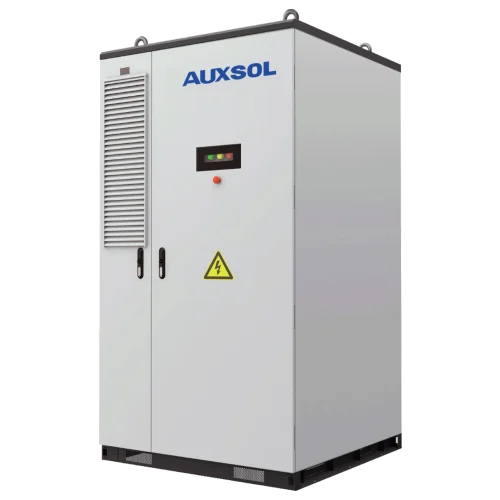
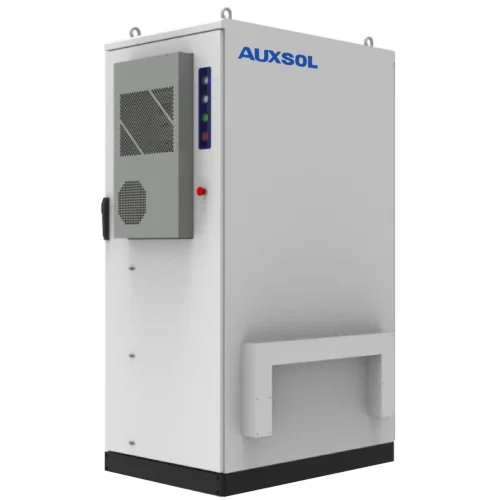
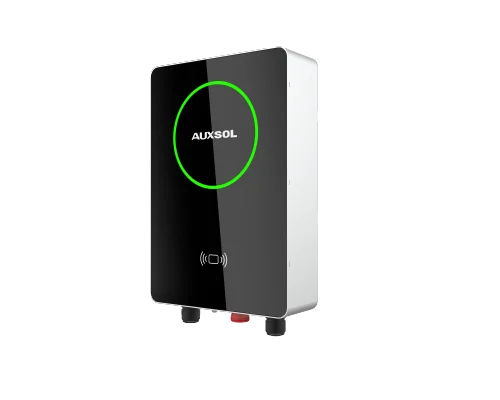
An inverter is the backbone of any solar energy system, converting the direct current (DC) generated by solar panels into alternating current (AC) that powers commercial and industrial facilities, and grid-connected applications. For businesses investing in solar, the inverter’s efficiency, reliability, and scalability directly impact long-term energy savings and ROI. Unlike residential systems, C&I projects often require higher power output, making the choice between single-phase and three-phase inverters a critical decision.
Understanding Inverter Price
When evaluating inverter price, it’s essential to look beyond the upfront cost—total ownership cost (including installation, maintenance, and lifespan) drives true value for businesses. Several core factors influence pricing:
-
Power Capacity: Inverters range from 1kW to 100kW+, with prices scaling proportionally (e.g., a 10kW inverter typically costs 8-10x more than a 1kW model, not 10x due to economies of scale).
-
Efficiency Rating: Premium inverters with 97-99% efficiency (e.g., string inverters, central inverters) command higher prices but reduce energy loss, accelerating payback.
-
Brand & Reliability: Established manufacturers charge a premium for proven durability, warranty coverage (5-10 years), and after-sales support—critical for projects with 25+ year lifespans.
-
Features: Advanced functions like grid-tie compatibility, energy storage integration, and remote monitoring add to costs but enhance system flexibility for growing businesses.
Three Phase Inverter: The Ideal Choice for C&I Applications
A three phase inverter is designed to handle high-power loads and three-phase electrical grids, which are standard in commercial and industrial buildings. Unlike single-phase inverters, three-phase models offer:
-
Higher Power Output: Ranging from 5kW to 2MW+, suitable for C&I projects with significant energy demands.
-
Stable Performance: Balanced power distribution reduces voltage fluctuations, protecting sensitive C&I equipment.
-
Grid Compatibility: Seamlessly integrates with three-phase utility grids, enabling net metering and feed-in tariffs for businesses.
-
Scalability: Multiple inverters can be paralleled to expand system capacity, adapting to growing energy needs.
Three Phase Inverter Price: Breakdown & Budgeting Tips
Three phase inverter price varies widely based on capacity, efficiency, brand, and features. Below is a general price range for reference (2024 market averages):
5kW-10kW: 1,500−3,000 (ideal for small C&I buildings, offices)
10kW-50kW: 3,000−10,000 (suited for mid-sized businesses, retail stores)
50kW-100kW: 10,000−25,000 (for large C&I facilities, warehouses)
100kW+: 25,000−200,000+ (plants, utility-scale solar projects)
Key Considerations for Price Negotiation:
-
Bulk Purchases: Buying multiple inverters for large projects often secures 10-15% discounts from manufacturers.
-
Warranty Inclusions: Opt for extended warranties (10+ years) to avoid hidden maintenance costs—some brands bundle warranty with price for long-term savings.
-
Total Cost of Ownership (TCO): A slightly higher upfront price for a high-efficiency inverter can save 1,000−5,000 annually in energy bills for a 50kW system.
-
Customization: If your project requires specific features (e.g., off-grid capability, smart monitoring), discuss custom quotes to avoid paying for unnecessary functions.
How to Choose the Ideal Three Phase Inverter for Your Business
When balancing three phase inverter price with performance, follow these steps:
-
Assess Your Power Needs: Calculate daily energy consumption and future growth (e.g., adding electric vehicle chargers) to determine required capacity.
-
Prioritize Efficiency: Look for inverters with CEC efficiency ≥97%—this is the sweet spot for cost-effectiveness.
-
Verify Brand Credibility: Choose manufacturers with ISO certifications, industry awards, and a track record in C&I projects (check case studies for similar businesses).
-
Evaluate After-Sales Support: projects require timely technical support—ensure the supplier offers local service teams and remote monitoring tools.
-
Compare Quotes: Request detailed quotes from 3-5 suppliers, including installation, warranty, and maintenance costs, to avoid hidden fees.
Conclusion: Investing Wisely in Three Phase Inverters
By understanding how inverter type, capacity, and features influence pricing, you can make informed decisions that align with their project goals and budget. Remember: the cheapest option may not be the most cost-effective in the long run—prioritize quality, efficiency, and support to unlock the full potential of your solar system.




 Essential cookies


SL正视图.png!thumb500)
TL-正视图.png!thumb500)
TL-正视图.png!thumb500)