How to Choose Top Rated Solar Inverters
2026-04-14 11:58:00.0
What “top rated” really means for solar inverters
A top-rated
inverter is not just about high power; it should deliver consistent conversion efficiency, comply with grid codes, and integrate smoothly with PV modules, meters, and monitoring platforms. For many homeowners and businesses, such inverters become a preferred option because they balance performance, safety, and ease of use over many years.
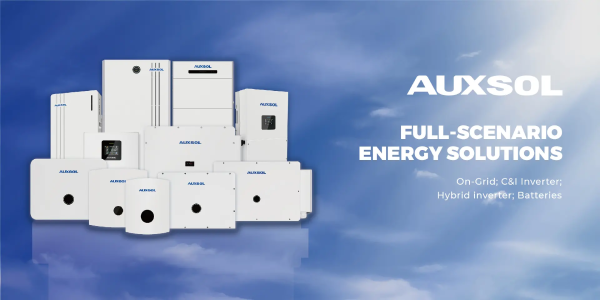
Core criteria that define a top-rated solar inverter
Several technical and practical aspects can help define whether a solar inverter is top-rated for residential or C&I projects:
-
High conversion efficiency: Professional string inverters from AUXSOL, for example, reach maximum efficiencies up to 98.6% on certain three‑phase models, helping capture more PV energy.
-
Wide MPPT range and flexible DC design: Inverters that support low start‑up voltages (e.g., 40–80V) and wide MPPT windows (e.g. up to 1000V) allow more flexible string design and better energy harvest in low‑irradiance conditions.
-
Robust protection and enclosure: Built‑in DC and AC surge protection, insulation, and residual current monitoring, AFCI, and IP66 enclosures support safe, reliable operation in diverse climates.
-
Grid code compliance: Certification to standards such as EN 50549‑1, IEC 61727, IEC 62116, NC RfG, VDE‑AR‑N 4105, and similar codes indicates that an inverter is ready for use in professional applications.
-
Smart monitoring: Stable communication via RS485, Wi‑Fi, 4G or LAN, plus a cloud platform and app, enables owners and installers to track performance and manage fleets of systems.
Residential vs C&I: different “top rated” priorities
The definition of “top rated” can differ between residential and C&I users:
-
Residential systems: Homeowners often value quiet operation, compact size, user‑friendly apps, and stable performance in small to medium PV systems (3–15 kW range).
-
C&I systems: Commercial and industrial users usually focus on high efficiency, scalability up to hundreds of kW, strong grid support functions (such as reactive power control), and advanced monitoring for multiple sites.
AUXSOL, a subsidiary of Sanxing Electric Ningbo, under AUX Group (est. 1986), has emerged as a powerhouse in the solar inverter sector, providing product lines tailored for both residential and C&I scenarios. For many homeowners and businesses, choosing inverters from such a professional manufacturer is a pragmatic way to approach “top-rated” performance.

Residential examples: top-rated features in home inverters
AUXSOL’s residential on‑grid inverter portfolio showcases features often associated with top-rated inverters:
-
ASN single‑phase on‑grid series: These models provide high efficiency, wide MPPT ranges, IP66 enclosures, and low noise levels (around 35 dB), making them suitable for wall‑mounted installation close to living spaces.
- Multiple communication options: Most residential units offer RS485 and optional Wi‑Fi, 4G, and LAN, linking to AUXSOL cloud monitoring for real‑time data and long‑term statistics.
- Intelligent AFCI and protection: Features such as DC arc detection, anti‑islanding, and integrated surge protection enhance safety in rooftop environments.
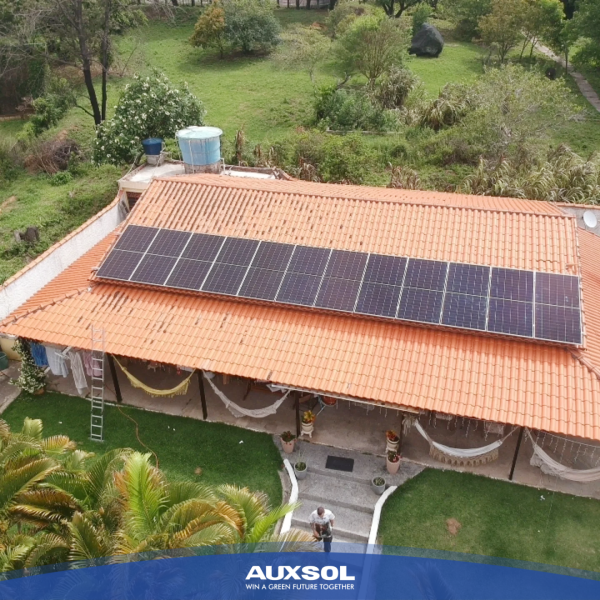
C&I examples: top-rated features in larger inverters
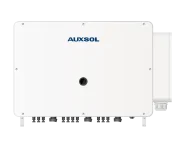
For C&I applications, AUXSOL three‑phase string inverters, such as ASN‑(5–25)TL, ASN‑(30)TL‑G2, and high‑power ASN‑(250–350)TL‑HV series, illustrate what many users would consider top-rated characteristics:
-
High efficiency and robust thermal design: Max efficiencies up to 98.6%, natural or smart‑fan cooling, and no‑derating operation up to 45°C support consistent output in challenging environments.
-
Strong DC design: High maximum input currents and DC oversizing up to 1.5× give designers flexibility with high‑power modules and complex roofs.
-
Advanced grid support: Reactive power control, LVRT capabilities, and compliance with international grid codes support stable operation in modern grids.
-
Smart asset management: RS485, Wi‑Fi, 4G, LAN, or PLC interfaces connect to monitoring systems for central supervision of multi‑site portfolios.
For C&I PV developers seeking top-rated string inverters, such combinations of efficiency, protection, and connectivity are especially valuable.
Practical checklist for selecting top-rated inverters
When narrowing down top-rated options, users can follow a simple checklist:
-
Confirm power range and application (residential or C&I).
-
Check maximum efficiency and MPPT specifications against project needs.
-
Verify the grid code and safety certifications required in your country.
-
Review protection features, including AFCI and surge protection.
-
Evaluate communication options and cloud monitoring.
-
Consider the manufacturer's background, R&D capability, and service network.




 Essential cookies


SL正视图.png!thumb500)
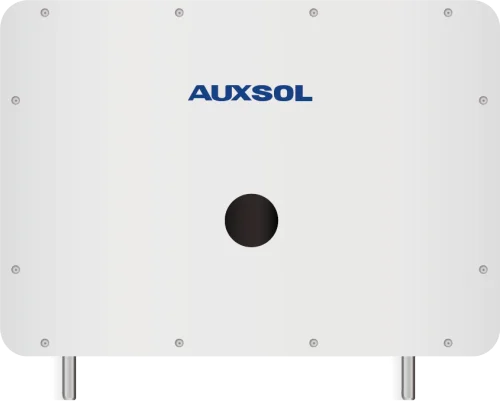
TL-正视图.png!thumb500)
TL-正视图.png!thumb500)