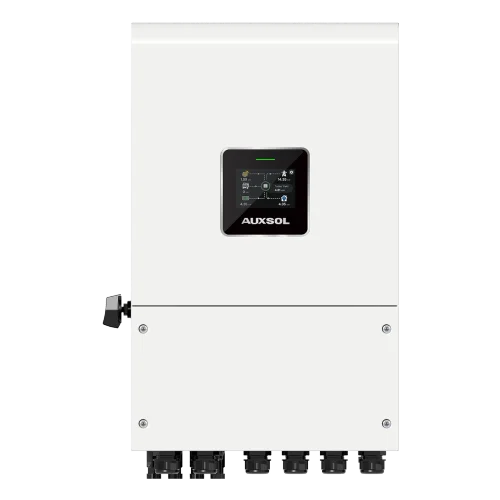
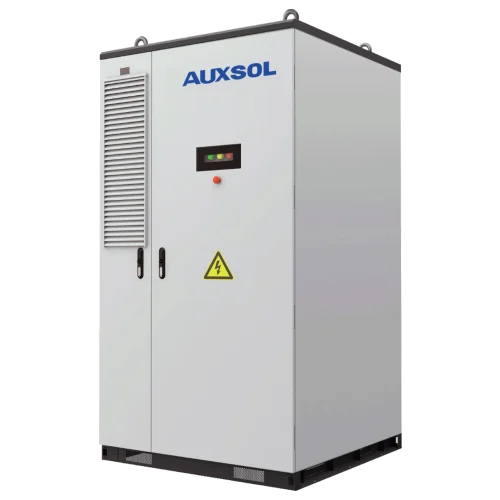
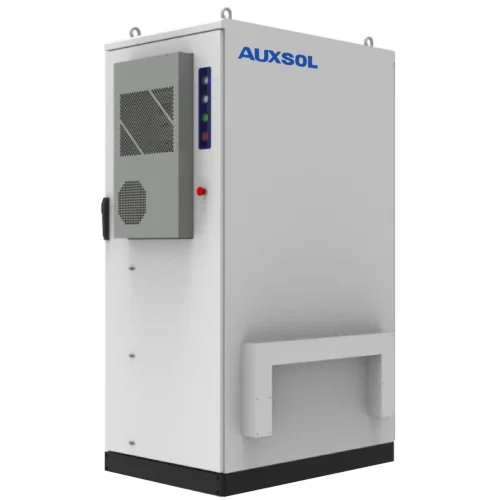
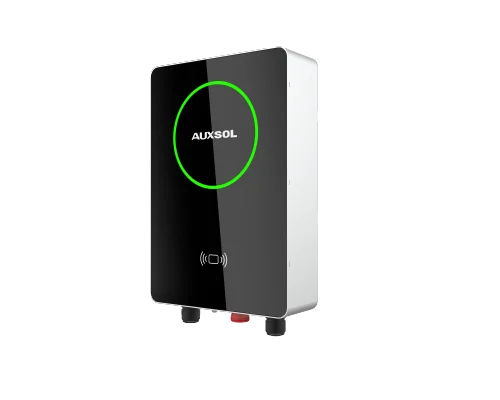
In the era of sustainable energy, solar power has become a go-to choice for homeowners and businesses looking to reduce their carbon footprint and optimize energy costs. At the center of every efficient on-grid solar setup is the grid-tied PV inverter—a sophisticated device that bridges solar panel arrays and the public utility grid, turning sunlight into usable electricity for daily use. If you’re exploring solar solutions, understanding how these inverters work, their benefits, and key considerations for selection and maintenance is essential. This guide breaks down everything you need to know, from core functionality to real-world applications.
What Is a Grid-Tied PV Inverter?
A grid-tied PV inverter is a power conversion device that serves two core purposes in a solar system:
-
DC to AC Conversion: Solar panels generate direct current (DC) electricity, but household appliances and the utility grid run on alternating current (AC). The inverter transforms raw DC power into clean, stable AC power suitable for daily use.
-
Grid Synchronization: Its internal microprocessor continuously monitors the grid’s voltage, frequency, and waveform, matching the AC power it produces to the grid’s specifications. This seamless synchronization lets your property draw power from solar panels, the grid, or send excess solar power back to the grid—no battery storage required.
Grid-tied PV systems use the utility grid as a "virtual battery." This design simplifies the system, reduces upfront costs, and makes it an ideal choice for urban and suburban properties with reliable grid access.
How Does a Grid-Tied PV Inverter Work?
The operation of a grid-tied PV inverter is a streamlined process that maximizes solar energy utilization, even with changing weather conditions. Here’s a step-by-step breakdown of what happens on a typical sunny day:
Step 1: Sunlight Capture
Solar panels absorb sunlight and generate DC electricity through the photovoltaic effect. This power is unregulated and not yet usable for household appliances.
Step 2: Maximum Energy Harvesting
DC power flows to the inverter, which uses a Maximum Power Point Tracking (MPPT) algorithm. This technology adjusts to real-time conditions (e.g., cloud cover, panel temperature) to extract the maximum possible energy from the solar array at all times.
Step 3: AC Conversion & Grid Synchronization
Inside the inverter, high-speed electronic switches convert DC power to AC power. The inverter’s smart monitoring system ensures the AC output closely matches the utility grid’s parameters, preventing power fluctuations and ensuring safe grid connection.
Step 4: On-Site Power Usage
The converted AC power is first directed to your home or business’s electrical panel, powering lights, refrigerators, electronics, and other appliances. The system prioritizes solar power, only drawing from the grid when solar production is insufficient (e.g., at night or on cloudy days).
Step 5: Net Metering for Excess Power
When solar production exceeds on-site demand (e.g., midday on a bright day), the inverter exports the surplus power to the utility grid. Through net metering programs (where available), utilities credit your account for this excess power, which can lower your monthly electricity bills.
Key Benefits of a Grid-Tied PV Inverter System
Grid-tied PV systems have become the most popular solar solution globally, thanks to a range of practical and environmental benefits that align with the needs of most energy users:
-
Cost-Effective Installation & Maintenance
Without the need for battery storage, grid-tied systems require fewer components, leading to lower upfront installation costs. The simplified design also means less maintenance—no battery replacement, charging cycle management, or complex storage system upkeep is needed, reducing long-term operational costs.
-
Efficient Solar Energy Utilization
By prioritizing on-site solar power use and exporting excess to the grid, these systems minimize waste and maximize the value of your solar investment. MPPT technology further boosts efficiency by ensuring consistent energy harvesting, even in less-than-ideal sunlight conditions.
-
Environmental Sustainability
Using solar power reduces reliance on fossil fuel-based electricity, lowering your carbon footprint and contributing to global renewable energy goals. Grid-tied systems support the smart grid by feeding clean energy back into the network, creating a more sustainable energy ecosystem for communities.
-
Flexible Energy Access
You’ll rarely face a power shortage with a grid-tied system: solar power covers your needs during the day, and the grid acts as a reliable backup for nighttime or low-sunlight periods. Net metering also turns your solar system into a potential source of energy credits, adding financial value to your sustainable choice.
-
Scalable Design
Most grid-tied PV inverters are compatible with system expansion—you can add more solar panels later if your energy needs grow, without overhauling the core inverter setup. Some hybrid grid-tied inverters even offer the option to add battery storage in the future, for those who may want backup power down the line.
Critical Features to Look for in a Grid-Tied PV Inverter
Not all grid-tied PV inverters are created equal, and selecting one with the right features ensures safety, reliability, and long-term performance. Here are the essential and value-added features to prioritize:
-
Anti-Islanding Protection
This is a mandatory safety feature for all grid-tied inverters. In the event of a grid outage, the inverter automatically shuts down within seconds, preventing power from being sent into a de-energized grid. This protects utility workers repairing the grid and ensures compliance with global electrical safety standards.
-
High Efficiency Ratings
Look for inverters with high DC-to-AC conversion efficiency (ideally 97% or higher) and advanced MPPT capabilities. Higher efficiency means less energy loss during conversion, maximizing the amount of solar power you can use or export to the grid.
-
Weather & Environmental Durability
Inverters are often installed outdoors (e.g., on rooftops or near solar panels), so robust build quality is key. Features like IP65 protection (dust-tight and water-resistant) ensure the inverter can withstand harsh weather conditions—rain, dust, extreme temperatures—without performance issues.
-
Smart Monitoring & Grid Integration
Modern grid-tied PV inverters come with remote monitoring capabilities (via smartphone app or web portal), letting you track real-time energy production, consumption, and grid export. This data helps you optimize your energy use and identify any performance issues early. Smart grid compatibility also ensures seamless integration with evolving utility grid technologies.
-
Overvoltage & Overcurrent Protection
Electrical fluctuations (e.g., sudden voltage spikes from the grid or solar panels) can damage equipment. Inverters with built-in overvoltage, overcurrent, and short-circuit protection safeguard your solar array and household appliances, adding an extra layer of reliability.
Common Operational Considerations & Troubleshooting
Like all electrical devices, grid-tied PV inverters may face minor operational issues over time. Most common issues are easily identifiable and resolvable, and proactive maintenance can prevent most problems. Here are the most frequent scenarios and how to address them:
-
Low Insulation Impedance
This issue may stem from water damage to DC connectors, short circuits, or panel edge damage, causing ground leakage. Resolve it by disconnecting solar panel strings one by one and using the inverter’s built-in insulation detection to identify the faulty string, then inspecting connectors and panels for damage.
-
Low Bus Voltage
Low bus voltage in the early morning or late evening is normal, as solar production is at its minimum. If it occurs during peak sunlight hours, use the elimination method to check for faulty solar panel strings or loose connections.
-
Leakage Current Fault
This is often caused by poor installation quality (e.g., incorrect assembly height) or low-quality components (e.g., DC connectors). Resolve it by inspecting the installation for water leakage, replacing low-quality parts, and ensuring proper insulation of all electrical connections.
-
DC Overvoltage Protection
Solar panel open-circuit voltage rises in low temperatures, which may trigger overvoltage protection. Inverters designed with temperature coefficient considerations in their engineering minimize this risk, so prioritize models built to handle regional temperature fluctuations.
-
No Startup Response
If the inverter fails to start, check for reversed DC input wiring (even with anti-reverse protection, wire terminal misconnections can cause issues). Restoring correct wiring will allow the inverter to start normally.
Pro Tips for Maximizing Your Grid-Tied PV System’s Performance
To get the most out of your grid-tied PV inverter and solar system, follow these simple, actionable tips that boost efficiency and extend the system’s lifespan:
-
Optimize the DC/AC Ratio: Aim for a DC/AC ratio of 110%–130% (the total DC power of your solar array vs. the inverter’s AC output capacity) to avoid under- or overloading the inverter.
-
Maintain Consistent Solar Strings: Ensure all solar panels in a string have the same wattage and efficiency rating—mismatched panels reduce overall system performance.
-
Regular Panel & Inverter Cleaning: Clean solar panels quarterly to remove dust, dirt, and debris that block sunlight. Wipe down the inverter’s exterior to keep ventilation ports clear (avoid touching internal components).
-
Leverage Remote Monitoring: Use the inverter’s monitoring app to track performance trends—sudden drops in production may indicate panel damage or wiring issues that need prompt attention.
-
Check Net Metering Policies: Stay updated on your local utility’s net metering rules, as these may change over time. Understanding credit rates and export limits helps you optimize energy use for maximum savings.
-
Professional Annual Inspections: Schedule a yearly inspection by a certified solar technician to check wiring, connections, and inverter performance—this proactive step catches small issues before they become major problems.
Final Thoughts: Why a Grid-Tied PV Inverter Is a Smart Solar Choice
A grid-tied PV inverter is the heart of a practical, sustainable solar system for most homeowners and businesses. It turns sunlight into usable electricity, syncs seamlessly with the utility grid, and offers a cost-effective way to reduce energy bills while supporting renewable energy goals. With advanced features like MPPT technology, anti-islanding protection, and smart monitoring, modern grid-tied inverters are reliable, efficient, and easy to maintain—making solar power accessible to everyone.




 Essential cookies


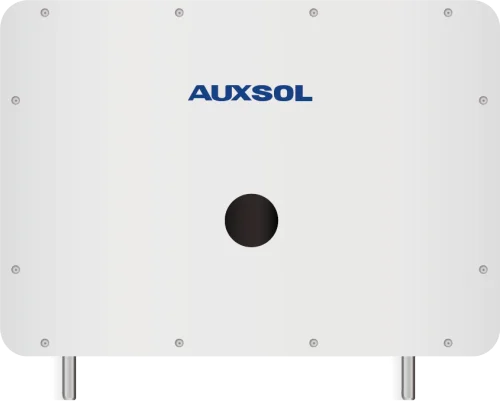
SL正视图.png!thumb500)
TL-正视图.png!thumb500)
TL-正视图.png!thumb500)