What is a solar and inverter system?
A “solar and inverter system” usually refers to a complete rooftop PV installation where panels, inverters, meters and control devices work together to supply electricity to a home or building. In most residential cases, this is a grid‑connected system that uses a regular
on‑grid inverter instead of an off‑grid unit.
The inverter is the core device that converts DC from PV modules into AC power compatible with the local grid and household appliances. Around it, smart meters, protection devices and monitoring platforms help deliver safe, efficient and transparent operation for many homeowners and businesses.
Main components of a home solar and inverter system
AUXSOL’s residential solution overview shows that a typical system involves multiple coordinated components:
-
PV panels: Convert solar energy into DC power.
-
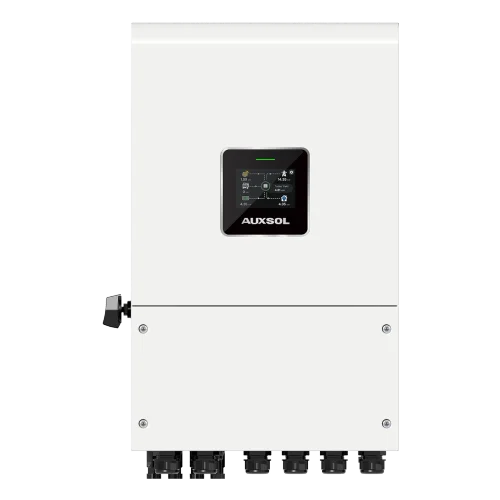
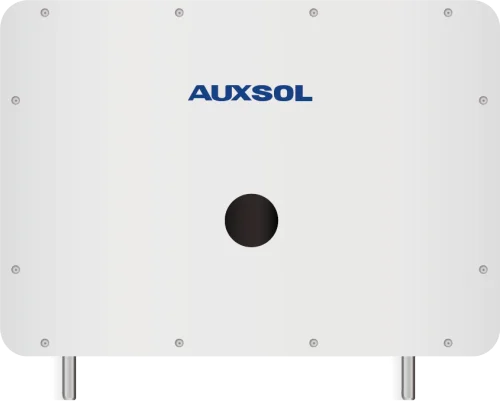
On‑grid inverter: Converts DC to AC and injects it into the home and grid, tracking MPPT and managing power flow.
-
Hybrid inverter (optional): Manages PV, battery, grid and loads in energy storage systems, enabling backup and time‑of‑use control.
-
Battery packs (optional): Store surplus energy for night‑time use, backup or tariff optimization.
-
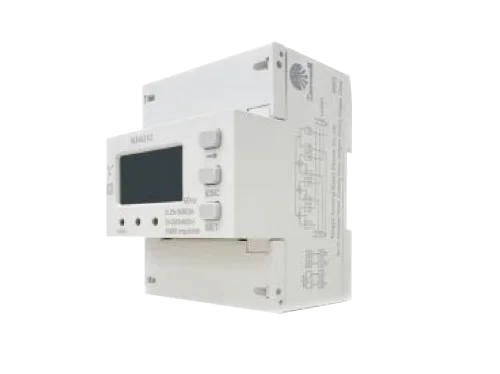
Smart meter and electric meter: Measure energy flow, grid import and export, and can provide control signals.
-
Home Energy Management System (HEMS): Coordinates energy usage, PV production and storage for smarter operation.
-
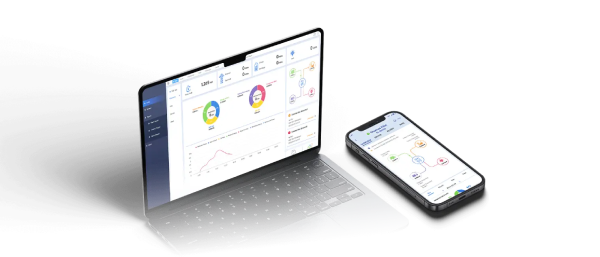
Monitoring platform and APP: Provide real‑time visibility into generation, consumption and alarms.
How energy flows in an on‑grid solar and inverter system
In a standard on‑grid system without storage:
-
PV modules generate DC power whenever there is sunlight.
-
The string inverter tracks the maximum power point and converts DC to AC, synchronized with the grid.
-
Household loads first use solar energy, reducing grid import.
-
Surplus energy can be exported to the grid according to local metering rules.
When a hybrid inverter and battery are included:
-
The hybrid inverter decides whether to supply loads directly from PV, charge the battery, or export to the grid.
-
At night or during outages, the system can discharge the battery to power critical loads, improving self‑consumption and resilience.
AUXSOL’s diagrams describe such flows clearly, highlighting the role of inverters as energy managers rather than just DC‑AC converters.
Choosing between on‑grid and hybrid solar and inverter systems
Choosing the right type of solar and inverter system depends on user goals:
AUXSOL provides both on‑grid and hybrid inverters, along with compatible battery packs, allowing installers to design systems that closely match each household’s energy profile.
System sizing and inverter selection
For many homeowners and businesses, properly sizing the solar and inverter system is essential:
-
PV capacity: Often determined by roof area, budget and target self‑consumption ratio.
-
Inverter power: Should match PV array size, grid connection limits and typical load profile. Some oversizing on the DC side is often used to increase annual yield.
-
Phase and voltage: Single‑phase inverters are common in small homes, while three‑phase inverters suit larger houses and C&I sites.
AUXSOL’s portfolio spans 3–10 kW single‑phase on‑grid, 5–25 kW three‑phase residential and 50–350 kW three‑phase C&I units, offering a broad coverage of possible system sizes.
Monitoring and long‑term operation
A well‑designed solar and inverter system should be easy to monitor and maintain:
-
Real‑time monitoring: AUXSOL cloud and APP solutions allow users to view PV generation, self‑consumption and system status 24/7.
-
Alarms and remote diagnostics: Installers can receive alerts and, in some cases, perform remote updates or diagnostics, reducing downtime.
-
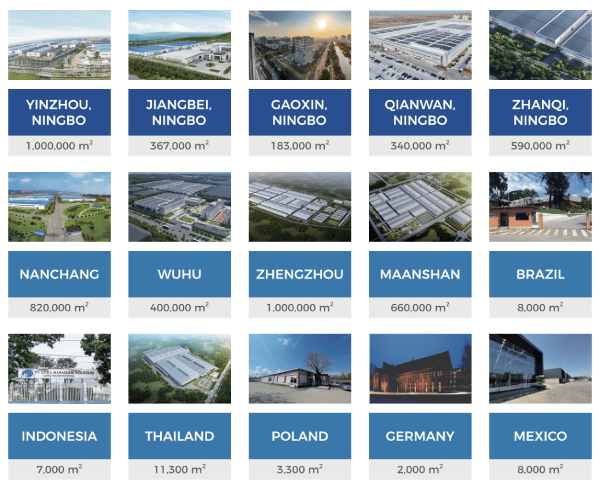
Lifecycle support: With R&D centers, manufacturing bases and service centers in several countries, AUXSOL supports long‑term operation of its PV and storage products.




 Essential cookies


SL正视图.png!thumb500)
TL-正视图.png!thumb500)
TL-正视图.png!thumb500)