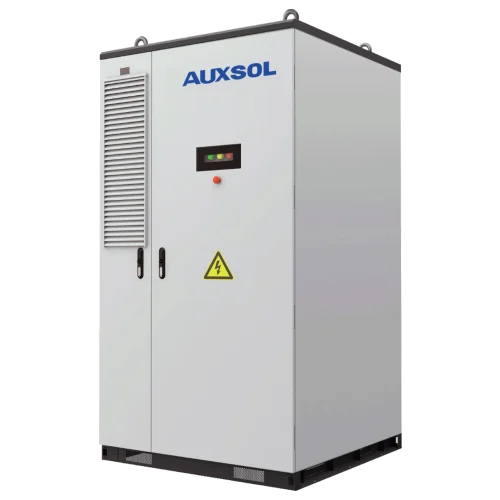
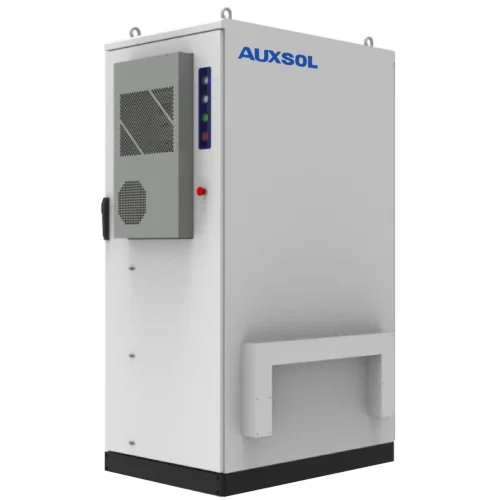
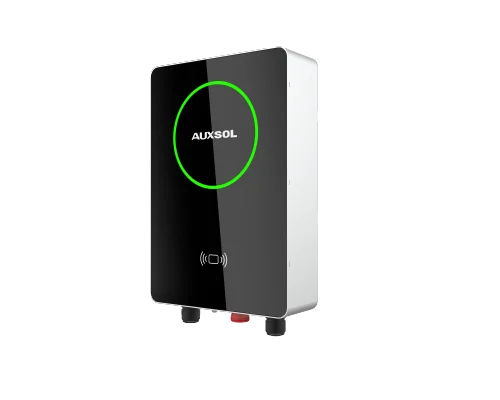
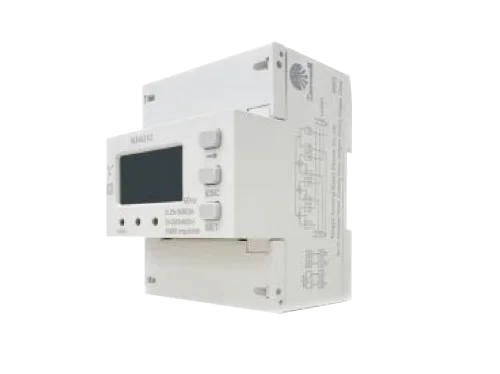
If you’ve ever wondered how solar panels turn sunlight into electricity you can use to power your home, phone, or business, the answer lies in a small but mighty device: the power inverter. For anyone new to solar energy, understanding what a power inverter is used for is key to unlocking the full potential of renewable energy. Let’s break down this essential component in simple terms—no technical jargon required.
First, let’s start with the basics: Solar panels generate direct current (DC) electricity when sunlight hits their cells. But here’s the catch: Most of the devices we use every day—from your laptop and refrigerator to the lights in your home and the machinery in a factory—run on alternating current (AC) electricity. This is where a power inverter steps in. A power inverter is an electronic device that converts DC power (from sources like solar panels or batteries) into AC power (the type of electricity we use daily). It’s like a “language translator” for electricity, bridging the gap between the power solar panels produce and the power our lives depend on.
But what exactly is a power inverter used for, especially in the context of solar energy? Let’s explore its most common and impactful applications—from homes to businesses, remote areas to emergency situations.
1. Residential Solar Systems: Power Your Home with Clean Energy
The most common use of a solar inverter is in residential solar setups. If you have solar panels on your roof, the inverter is the unsung hero working behind the scenes to make that energy usable. Here’s how it works:
-
Your solar panels absorb sunlight and generate DC power (typically 200 to 400V DC, depending on the panel setup).
-
The solar inverter converts that DC power into standard AC power (usually 120V or 240V, matching your local grid’s voltage) that can run your appliances, lights, and electronics.
-
Any excess power your solar system produces (beyond what your home uses) is either stored in a battery (if you have energy storage) or fed back into the utility grid—earning you credits through net-metering programs in many areas.
Without a solar inverter, the DC power from your panels would be useless for powering your home. It’s the reason you can run your coffee maker, charge your phone, and keep your air conditioner running—all with clean, solar energy.
2. Commercial & Industrial Solar: Cut Costs and Reduce Carbon Footprints
Businesses, factories, warehouses, schools, and hospitals also rely heavily on solar inverters to harness solar power. For commercial and industrial settings, the inverter’s role is even more important, as these facilities use far more electricity than homes:
-
Large-scale solar arrays (installed on rooftops or open land) generate high volumes of DC power. Inverters (often powerful central or string inverters) convert this DC power into AC power to run machinery, lighting, HVAC systems, and other equipment.
-
By using solar power converted via inverters, businesses can significantly reduce their electricity bills—freeing up budget for other priorities. They also lower their carbon emissions, aligning with sustainability goals and environmental regulations.
-
Like residential systems, excess power can be fed back into the grid, creating an additional revenue stream for the business.
3. Off-Grid Systems: Power Where the Grid Can’t Reach
Not everyone has access to the utility grid—think remote cabins, mountain homes, islands, pastures, or border posts. In these off-grid locations, solar inverters are a lifeline. Here’s how they work in off-grid setups:
-
Solar panels generate DC power during the day, which is stored in batteries (since there’s no grid to feed excess power to).
-
The off-grid inverter converts the DC power from the batteries into AC power, providing a steady supply of electricity for lights, appliances, and even small heating or cooling systems.
-
Off-grid inverters often include built-in protection features (like overcurrent, overvoltage, and overheating protection) to ensure safe and reliable operation—no manual intervention needed.
This application is also crucial for solar-powered devices like portable generators (for camping or outdoor events) and solar streetlights—each of which uses a small inverter to convert DC power from the panel or battery into usable AC power.
4. Emergency & Backup Power: Stay Connected When the Grid Fails
Power outages happen—whether due to storms, natural disasters, or grid failures. Solar inverters (paired with battery storage) act as a backup power source, ensuring you stay connected when you need it most:
-
During normal operation, the inverter converts solar DC power to AC power for daily use, while excess power charges the battery storage system.
-
When the grid goes down, the inverter automatically switches to “backup mode,” using the stored DC power in the batteries to generate AC power for critical loads (like refrigerators, medical equipment, or internet routers).
-
This is especially important for homes with medical devices, businesses that can’t afford downtime, or areas prone to frequent power outages.
5. Beyond Solar: Other Common Uses of Power Inverters
While solar is the most common application, power inverters are used in other areas too—all with the same core purpose: converting DC to AC power. These include:
-
RVs, boats, and yachts: Inverters convert DC power from the vehicle’s battery into AC power to run appliances like microwaves, TVs, and air conditioners while on the go.
-
Electric vehicles (EVs): Inverters convert DC power from the EV’s battery into AC power to run the vehicle’s motor—and some even allow “vehicle-to-grid” (V2G) power transfer, feeding excess energy back into the grid.
-
High-voltage power transmission: Large-scale inverters are used in high-voltage direct current (HVDC) systems to convert DC power for long-distance transmission, which is more efficient than AC transmission over large distances.
Key Features of Solar Inverters You Should Know
Not all solar inverters are the same, but the best ones share a few key features that make them reliable and efficient:
-
Maximum Power Point Tracking (MPPT): This feature optimizes the power output from solar panels by tracking the “sweet spot” of energy production—ensuring you get the most power possible from your panels, even on cloudy days.
-
Waveform Options: Most inverters produce either modified sine wave or pure sine wave AC power. Pure sine wave inverters are better for sensitive electronics (like laptops or medical equipment) because their output is identical to grid power.
-
Protection Features: Built-in protection against overheating, overcurrent, overvoltage, and short circuits keeps your inverter, solar panels, and appliances safe.
-
Grid Synchronization: For grid-tied systems, inverters synchronize the AC power they produce with the grid’s frequency and phase—ensuring safe and efficient power transfer back to the grid.
Why Solar Inverters Matter for the Future of Energy
As the world shifts to clean, renewable energy, solar inverters are becoming more important than ever. They’re not just “converters”—they’re the backbone of solar systems, making it possible to use sunlight as a practical, reliable energy source. Without them, solar power would be trapped as standard-incompatible DC power, and the transition to a greener future would be nearly impossible.
Whether you’re a homeowner considering solar, a business looking to cut energy costs, or someone curious about how renewable energy works, understanding what a power inverter is used for is the first step. It’s the small device that turns sunlight into something we can all use—one AC watt at a time.
Ready to learn more about how solar inverters can power your home or business? Contact us today to speak with our experts and find the perfect inverter solution for your needs.




 Essential cookies


SL正视图.png!thumb500)
TL-正视图.png!thumb500)
TL-正视图.png!thumb500)